

Cultural Significance of Chinatown
Chinatown, a primarily Cantonese enclave, was established around the 1870’s. The community at the time of its establishment, was made up of mostly immigrant sailors and traders.
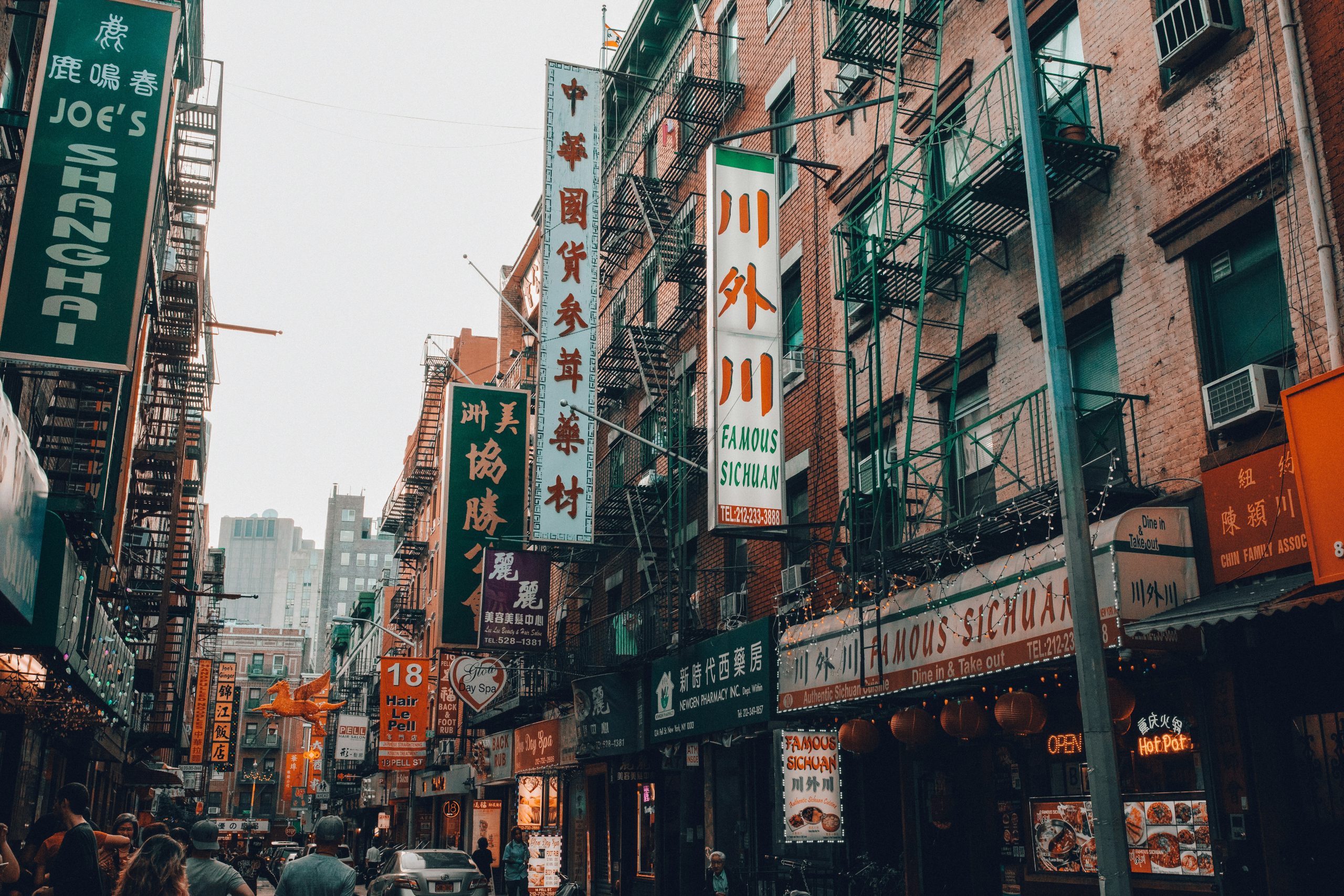
The reputation of Chinatown around the 1880’s was influenced by the passing of the 1882 Chinese Exclusion Act. The narrative surrounding the neighborhood was that it was dominated by street fights and secret societies. This continued to escalate in the 1890’s where wealthy New Yorkers would tour Chinatown to view opium dens and murder sites.
Aside from this reputation, early Chinatown was filled with department stores, the famous “Port Arthur Restaurant,” and laundries. From 1965 to the early 2000’s, Chinatown saw an influx of Fuzhounese residents and individuals from across Eastern Asia.
Chinatown previously had its own infamous prison called the Tombs. Established in the 1830’s the prison was notorious for its run down conditions and constant leaking. There were pools on the floor and due to the former pond under the Tombs, the building was beginning to sink. The Tombs were reconstructed 3 times and saw hangings and horrid prison cells.
A Timeline of Rikers Jail
In order to understand why the Mega Jail in Chinatown is being built, the history of Riker’s Jail needs to be understood.
Rikers Jail is Established
In 1932, New York opens up a new jail on Rikers Island that was built almost entirely by incarcerated individuals. Despite being brand new, there were already complaints about its structure and bad conditions. Early detainees would gather and engage in protests.
First Female Jail
The first all female and LGBTQ+ jail is opened on Rikers. It was created following the closure of an overcrowded jail in Greenwich Village.
Peak Detainment
Rikers Island saw peak detainment during the 1990s, which was during the War on Drugs and Broken Windows Policing in NYC. There were 24,000 detainees at Rikers daily.
Death of Kalief Browder
Kalief Browder was detained at Rikers for two years of solitary confinement on the assumption that he had stolen a bag with a laptop in it when he was 16. His family was unable to pay bail and therefore he was incarcerated. Following his release, due to his inability to rehabilitate to society he committed suicide.
In response to his death, New York State passed the Kalief Law which would ensure that individuals that are accused of crimes would receive evidence early in order to defend themselves in court.
This year, 3 individuals have died while residing at Rikers with two having died in the span of 24 hours.
Closing Rikers
With the backing of former Mayor Bill de Blasio, the New York City Council passed a bill that would ensure the immediate closure of Rikers by 2027. Instead of Rikers, jails will be placed in each borough with Staten Island having the smallest jail, Manhattan the biggest, and Queens will house an all-female and LGBTQ+ facility.
The question is will it be closed on time?
So far.. it’s looking like no.
However the council has passed a number of bills to facilitate the closure of Rikers.
- Would appoint an individual as coordinator of Rikers closure.
- Would ensure that all incarcerated individuals would have a tablet to look over evidence in their case.
- Would assess all individuals to see if they would be better fit for an alternative to incarceration program.
- Would force the City to track all 311 calls from Rikers Island in order to ensure that complaints being made will be addressed.
Green Energy Hub
In 2021, a bill was passed by New York City Council to turn Rikers into a green energy hub following its closure. The goal is for it to


