- This song is about some of the true realities that comes with living in New York such as harsh conditions, crime, poverty, and more. It shows how people can be limited with the opportunities they have.
- Yes, not me personally but there are people who still suffer with economic issues like poverty and are limited to their opportunities because of where they live and where they were raised.
- Some of the NYC themes in this song is harsh living conditions, using the subway and how it runs and how it is covered with graffiti. Some more themes are just what the casual every day person might experience in some harsher parts of New York City. Stuff every day regular people can go through. The song also talks about inequality and the separation between the wealthy and the poor.
- Well, the beat is steady, repetitive, and a piano that just keeps looping giving it an eerie tone. The beat to this song is never ending just like the hustle of the city and they let the lyrics which contains the important message speak for itself rather than the music carrying the song.
- The visuals are visuals of New York City, showing the subway, alleyways, buildings, and other normal everyday New York City landmarks that everyone sees in the city. The dark lighting, alleys, stairwells, and ran down areas highlight the struggles of these people. Also in the video, there are cuts to the police a lot which signifies the crime that is being experienced in the area.
- Kool G Rap got his name because he is “Kool” for being cool and smooth. “G” because that means he is a gangster, and “Rap” because that is what he does. DJ Polo got his name just because most DJs keep their names simple.
- Sampling is taking a piece of music that was already released or recorded and re using it in a new song which is what they did. They sampled the piano beat from “Streets of New York” by The Fatback Band.
Digable Planets Rebirth of Slick, Cool Like Dat (1993) (Jacqueline Cohen)

1. What is the song about?
This song is about confidence and being proud of your identity and the culture of hip hop
2. Do you find any relevance with today?
I do find relevance with today because it’s important to express yourself and be proud and confident in who you are.
3. What are some of the NYC themes?
Some of the NYC themes are street culture and hip hop culture.
4. How do they drive home the beat?
They drive home the beat with a funky hip hop jazzy beat.
5. What about the visuals? What choices do they make in the videos?
The visuals in this video definitely represent NYC. For example the taxi, the street signs, the subway.
6. Where did the artists take their names from (if this applies)?
The artists took their name from their love of jazz and rap, their sense of creativity, and the idea that everyone represents their own world and are therefore their own planet. Their specific stage names came from the artists trying to express themselves and reflect their identity.
7. What is sampling. What do they sample in the song your chose?
Sampling is when you use a part of an existing song in your own song and in this song they sample jazz from Art Blakey and the Jazz Messengers.
Dylan Torres- A Tribe Called Quest, Electric Relaxation (1994)
- What is the song about?
“Electric Relaxation” is a smooth, jazzy hip-hop song about romantic attraction. The lyrics describe flirting, relationships, and appreciation for a partner’s personality and physicality. It’s playful, intimate, and laid-back, reflecting both charm and streetwise confidence.
- Do you find any relevance with today?
I find relevance in that themes of dating, love, and connection are timeless. The song will always be relevant.
- What are some of the NYC themes?
The song is obviously hip hop, which started in the South Bronx. Furthermore, it uses street slang and everyday life experiences in NYC. Lastly, the line “I like ‘em brown, yellow, Puerto Rican or Haitian / Name is Phife Dawg from the Zulu Nation” references NYC’s ethnic diversity and the influence of the Zulu Nation, a local hip-hop collective promoting community and culture.
- How do they drive home the beat?
They drive home the beat by sampling a laid-back, jazz song to make it mellow and chill. (more on what they sample later).
- What about the visuals? What choices do they make in the videos?
They record the video in New York City, showcasing urban life when talking about romance. It’s also very relaxed and mellow throughout with the visuals. The black and white is also cool as it adds an older feel for modern viewers.
- Where did the artists take their names from (if this applies)?
The name of the band is “A Tribe Called Quest,” which seems to allude to Fantasy or might reference the idea of a spiritual or musical journey.
- What is sampling? What do they sample in the song you chose?
Sampling is the process of taking a portion of a previously recorded song and reusing it in a new track—often loops, riffs, or beats. In this song, they sample “Mystic Brew” by Ronnie Foster (1972). The smooth piano riff and jazzy vibe from Foster’s track form the foundation of the beat, giving the song its chill, melodic mood.
LL Cool J “New York, New York” (2008)-Adi F
What is the song about?
The song is about New York City and how strong, busy, and important the city is. LL Cool J talks about growing up there and how the city shaped him.
Do you find any relevance with today?
Yes, because New York is still a fast and exciting place and people still face challenges and show pride in their city.
What are some of the NYC themes?
Themes include city pride, toughness, surviving hard times, and representing where you are from.
How do they drive home the beat?
The song uses a strong drum beat and a steady rhythm. LL Cool J raps in a way that matches the beat and makes the song catchy.
What about the visuals? What choices do they make in the videos?
There is no video
Where did the artists take their names from (if this applies)?
LL Cool J means Ladies Love Cool James.
What is sampling. What do they sample in the song your chose?
Sampling is taking a part of another song and using it in your own song. LL Cool J uses sounds that feel like classic New York hip hop beats, but he does not use a very obvious direct sample in this version.
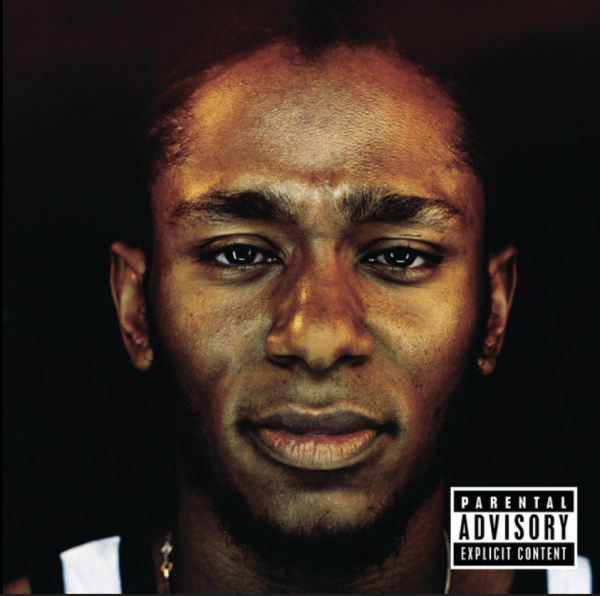
Mos-Def Brooklyn (1999) Aden M.
What the Song Is About
“Brooklyn” is a three-movement piece dedicated to Mos Def’s neighborhood in Bedford-Stuyvesant, New York. It’s essentially a love letter to his borough, celebrating the place that shaped him while unflinchingly depicting its complexity—the hustlers, the crack epidemic, police corruption, the summer jams, and the tight-knit community. The song opens with a Red Hot Chili Peppers reference, where Mos reworks their line about the city being his only friend into a declaration about Brooklyn.
Relevance with Today
The song remains strikingly relevant. The themes Mos addresses—gentrification pressures, police misconduct that becomes media spectacle, income inequality, and neighborhoods checking your appearance—all resonate in 2025. The line about police scandals becoming screenplays feels especially relevant given how true crime has exploded as entertainment. Brooklyn’s transformation over the past 25 years has only intensified the tensions between longtime residents and newcomers that the song captures.
NYC Themes
The song is packed with hyper-specific Brooklyn geography: he name-checks Bedford-Stuyvesant, Brownsville, East New York, Bushwick, Canarsie, Fort Greene, Flatbush, and more. This detailed mapping creates a deep sense of place. Other NYC themes include: the culture of reputation and appearance, summer block parties playing Biggie, the crack epidemic’s devastation, news crews treating violence as content, the hustle mentality, and Brooklyn pride as a form of identity and survival.
How They Drive Home the Beat
Mos rhymes three verses over three different beats. The first movement uses an original composition by producer Ge-ology. The second verse recreates Smif-N-Wessun’s “Home Sweet Home” and the last verse is set to The Notorious B.I.G.’s “Who Shot Ya?” instrumental. This structure mirrors the song’s theme. Brooklyn as a versatile place requiring different sonic approaches to capture fully. The beat switches keep listeners engaged while the consistent lyrical focus on Brooklyn unifies the movements. It’s ambitious and reflects the borough’s own complexity.
Artist Name Origin
In his early 20s, he changed his name to Mos Def, which is short for his favorite affirmation—”most definitely”—which was his typical response when friends asked him if he wanted to hang out. His birth name is Dante Terrell Smith. In 2011, he legally changed his name to Yasiin Bey, explaining “I began to fear that Mos Def was being treated as a product, not a person”.
Note: I could not find a music video for this song.
Stories of New York: Hip Hop – “Fight the Power” by Public Enemy (1989)
- What is the song about?
- The song is about resisting the systemic racist power structures in the U.S. by calling out corrupt authority, biased media, and figures who represent white supremacy, influencing Black audiences towards pride and organized resistance. It turned a catchy hip-hop song into a protest anthem to urge people to challenge the abuse of power.
- Do you find any relevance with today?
- I do find relevance with it today, especially with the police brutality, mass incarceration, and racist stereotypes that we see portrayed in some media, which are still challenged through the Black Lives Matter movement.
- What are some of the NYC themes?
- Some of the NYC themes are the crowded streets and political protests, specifically in Brooklyn and other major Black neighborhoods, to confront gentrification and racial injustice.
- How do they drive home the beat?
- Public Enemy drives home the beat by layering drums, horn stabs, vocal shouts, and siren noises to make the beat feel like a street party and political march. Combining this with the chant, “Fight the Power!”, it creates a rhythmic hook that the crowd can participate in with the kick and snare, becoming a catchy slogan.
- What about the visuals? What choices do they make in the videos?
- The visuals portray a hot-summer Brooklyn march with Public Enemy on a flatbed truck, surrounded by a crowd carrying signs, wearing buttons, and holding up images of notable figures like Malcolm X and the Black Panthers. Spike Lee also utilizes handheld camerawork and visible microphones, giving the music video a documentary mood that highlights community action.
- Where did the artists take their names from (if this applies)?
- The group “Public Enemy” took their name from the phrase “public enemy number one”, which implies that they are viewed as dangerous by the system because they are willing to reveal the uncomfortable truths. Chuck D’s name is a shortened but commanding version of his real name, Carlton Douglas. Flavor Flav’s name comes from his role as an energetic hype man who adds personality to the group.
- What is sampling? What do they sample in the song you chose?
- Sampling is when you take short pieces of existing recordings and reuse them or loop them inside a new track, which is typically combined with other layered sounds. “Fight the Power” incorporates numerous samples, such as using material from James Brown (“Funky Drummer”, “Funky President”, and “Hot Pants”) and a vocal clip from civil rights activist Thomas “TNT” Todd at the beginning.
- Fiona Wong
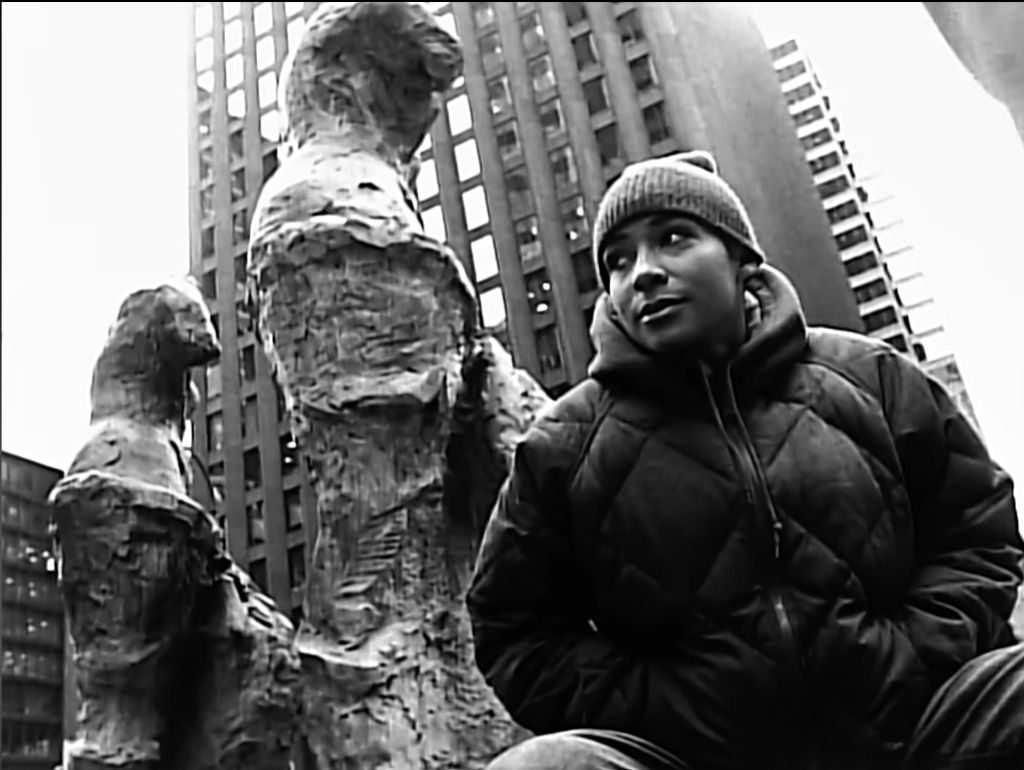
Salt-N-Pepa Let’s Talk About Sex (1991)
What is the song about?
It’s about openly discussing safe sex, and breaking the stigma around talking about sexual health.
Do you find any relevance with today?
Yes, open communication are still highly relevant today.
What are some of the NYC themes?
The song shows NYC hip-hop culture through the bold attitude and a Queens/Brooklyn female rap perspective.
How do they drive home the beat?
They use a steady drum loop that keeps the message clear and catchy.
What about the visuals? What choices do they make in the videos?
The video uses 90s fashion and energetic dancing to keep the focus on the message.
Where did the artists take their names from (if this applies)?
He got it from the“salt-and-pepper” back-and-forth rap style
What is sampling. What do they sample in the song your chose?
Sampling is reusing a piece of another song in a new track, and they sample elements from “I’m Blue” by the Ikettes.
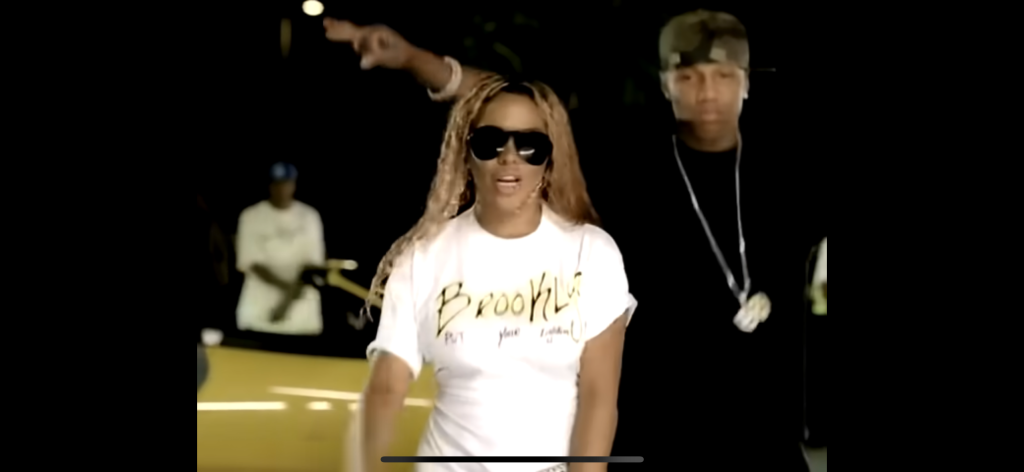
Lil’ Kim, “Lighters Up” (2006)
https://youtu.be/X8l_0N8lLWY?si=YCda3Vd1KAKtJdDN
What is the song about?
It’s about Brooklyn pride, street life, representation, and staying loyal to where you come from.
Do you find any relevance with today?
Yes, with the themes of community identity, gentrification, police tensions, that are still talked about regarding NYC to this day.
What are some of the NYC themes?
Riding the subway, street culture, and the melting pot multicultural mix of NYC communities
How do they drive home the beat?
Through a reggae-influenced rhythm, a bassline, and a percussive beat that shadows the Caribbean roots of many Brooklyn neighborhoods.
What about the visuals? What choices do they make in the video?
It is shot in Brooklyn neighborhoods with lots of street corners, block parties, and crowds. It also includes the usage of red, black, and green which are the Pan-African colors
Where did the artist take her name from?
“Lil’ Kim” comes from her real name, Kimberly Jones.
What is sampling?
Sampling is using a portion of another song for a new track.
What do they sample in “Lighters Up”?
The song samples Damian Marley’s “Welcome to Jamrock” for the reggae beat and rhythm to create the Caribbean sound of the track.
Beastie Boys – An Open Letter to NYC
Song Analysis
This song is a tribute to NYC as the Beastie Boys thank the city for its strength, diversity and resilience. I do indeed notice that this song still holds relevance as the themes of unity and standing together through hardship still apply today, especially with our current social issues, economic struggles and the way NYC continues to rebuild and adapt. Some themes that are seen in this song is the diversity of cultures and neighborhoods, the pride in being a New Yorker and most importantly our immigrant history. They drive home the beat by using a strong, steady hip hop beat with a looping sample to make a rhythmic feel. The repetition keeps the energy high and makes the message feel bold and collective. To add, this video really shows real NYC footage as it reflects the streets, neighborhoods and New Yorks everyday people. In a deeper sense it feels like a love letter to NYC, showing the city as alive and united.
When talking about branding or name the Beastie Boys originally stood for:
Boys
Entering
Anarchistic
States
Towards
Internal
Excellence
To conclude sampling is when artists take a piece of an existing song and reuse it in a new track. In “An Open Letter to NYC,” they sample the “Sonic Reducer” by the Dead Boys, a punk rock song.

