Dylan Torres- A Tribe Called Quest, Electric Relaxation (1994)

  1. What is the song about? 

“Electric Relaxation” is a smooth, jazzy hip-hop song about romantic attraction. The lyrics describe flirting, relationships, and appreciation for a partner’s personality and physicality. It’s playful, intimate, and laid-back, reflecting both charm and streetwise confidence. 

  1. Do you find any relevance with today? 

I find relevance in that themes of dating, love, and connection are timeless. The song will always be relevant. 

  1. What are some of the NYC themes? 

The song is obviously hip hop, which started in the South Bronx. Furthermore, it uses street slang and everyday life experiences in NYC. Lastly, the line  “I like ‘em brown, yellow, Puerto Rican or Haitian / Name is Phife Dawg from the Zulu Nation” references NYC’s ethnic diversity and the influence of the Zulu Nation, a local hip-hop collective promoting community and culture.

  1. How do they drive home the beat? 

They drive home the beat by sampling a laid-back, jazz song to make it mellow and chill. (more on what they sample later).

  1. What about the visuals? What choices do they make in the videos? 

They record the video in New York City, showcasing urban life when talking about romance. It’s also very relaxed and mellow throughout with the visuals. The black and white is also cool as it adds an older feel for modern viewers. 

  1. Where did the artists take their names from (if this applies)? 

The name of the band is “A Tribe Called Quest,” which seems to allude to Fantasy or might reference the idea of a spiritual or musical journey.

  1. What is sampling? What do they sample in the song you chose? 

Sampling is the process of taking a portion of a previously recorded song and reusing it in a new track—often loops, riffs, or beats. In this song, they sample “Mystic Brew” by Ronnie Foster (1972). The smooth piano riff and jazzy vibe from Foster’s track form the foundation of the beat, giving the song its chill, melodic mood.

Dylan Torres- Alternative Art Spaces and Art in the Service of Social Justice

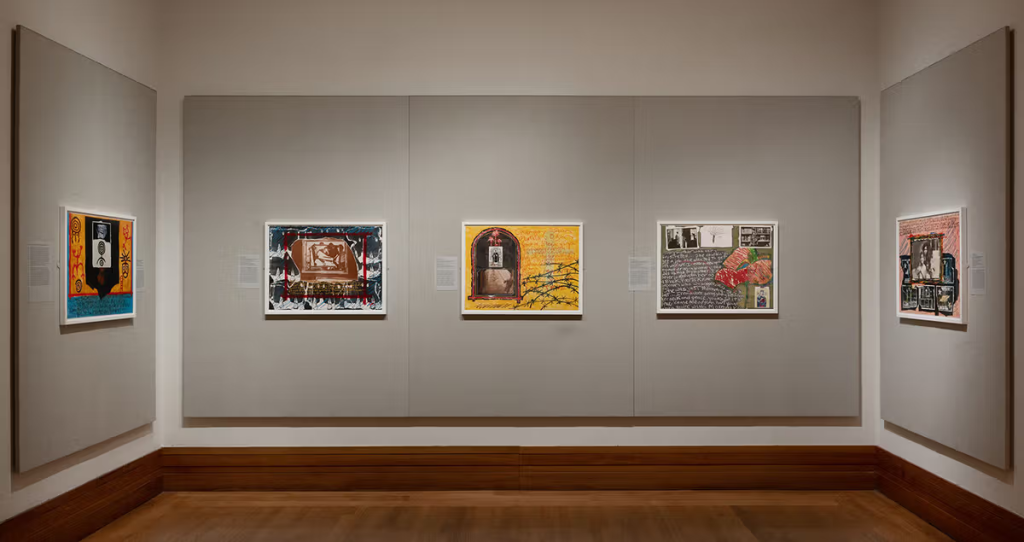
Juan Sánchez is a perfect example of an artist who has shown their work in New York City that addressed issues of social justice. He is commonly referred to as a “Nuyorican” (New York/Puerto Rican) artist, who’s work addresses issues of Puerto Rican life in the U.S. He was born and raised in Brooklyn and is the son of two Puerto Rican immigrants. Shown below is “Escrito en Piedra,” from “Guariquen: Images and Words Rican/Structured.” Here, according to the MET website, he evokes the legacy of the Taíno (Indigenous peoples who lived in Puerto Rico and other Caribbean lands) and their culture.


“Political art is a medium used as a weapon to hopefully recapture or regain the positive energy of celebration—to regain the goodness of humanity.” – Sánchez

New York: A City of Immigrants – Dominican Bracelet

For my object, I chose a bracelet I have worn every single day for the past year. As the son of 2 immigrants from the Dominican Republic, I have travelled there many times. My grandpa gave me this bracelet as a gift when he came back from one of his visits to DR in 2024. I’ve had many different bracelets from DR, including one with stones that are only found there. This one is made with different stones and wood spheres that are shaped into beads. It’s not made of gold, nor is it worth $10,000. Yet still, this bracelet is special to me because of it’s significance in my everyday life and the role it plays in reminding me that I am always loved by my family and friends in both the United States and the Dominican Republic. It ties me back to my family and my culture every time I look at it.

Dylan Torres-Icons of New York: NYC Subway

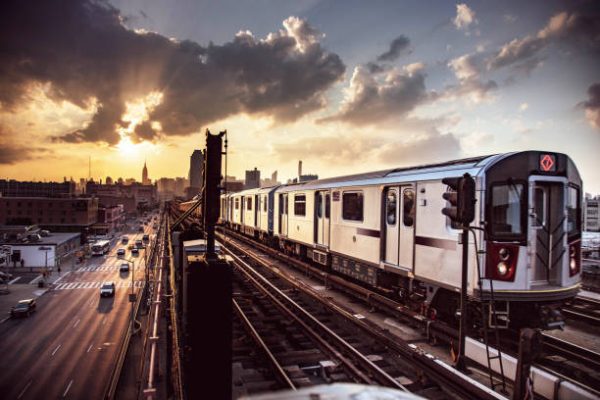
I believe that the Subway is one of the things that best represents New York. It is a staple in the everyday life of most New Yorkers in one way or another. Whether it be jumping on the train to work or school, taking it late with friends, or that feeling when you just barely make it on time, almost all of us have experienced the Subway in one capacity or another. I chose the subway because of its crucial role in our everyday lives.

More Info: https://docs.google.com/presentation/d/1mYpXXLUd-3Ful21ZH2wZOrVfGxjxoi6jUhG3A2PjvUM/edit?usp=sharing

Afrofuturist Room- Morning Cloak

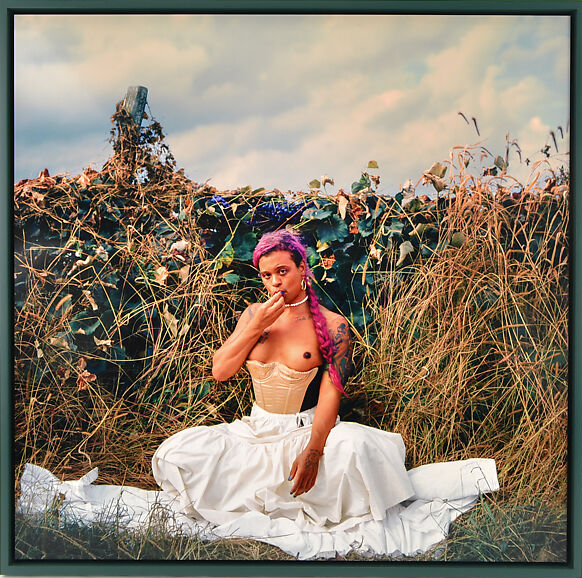
For my object, I chose the picture, “Morning Cloak” by Tourmaline. She is also known as Reina Gossett, and is an American artist, filmmaker, activist, editor, and writer. She is a transgender and through her artwork, highlights the experiences of Black, queer, and trans communities and their capacity to impact the world. Many of her paintings, including this one, are self portraits. They draw on Victorian-era pornography and change it in such a way that show the possibility of what black trans women are expected and able to endure. Part of the collection, “Pleasure Garden,” Morning Cloak is likely included in the Afro-futurist room to display a “futuristic,” ideal,” or radicalized version of an African American, one that is queer and has tattoos and challenges the constrictions that African Americans AND the LGBTQ faced at the time. This ultimately conveys the message that African Americans can achieve anything, a theme consistent throughout the room.

Sources:https://www.metmuseum.org/art/collection/search/851509 , https://4columns.org/reid-tiana/tourmaline ,

Superfine- Gold Cuffs

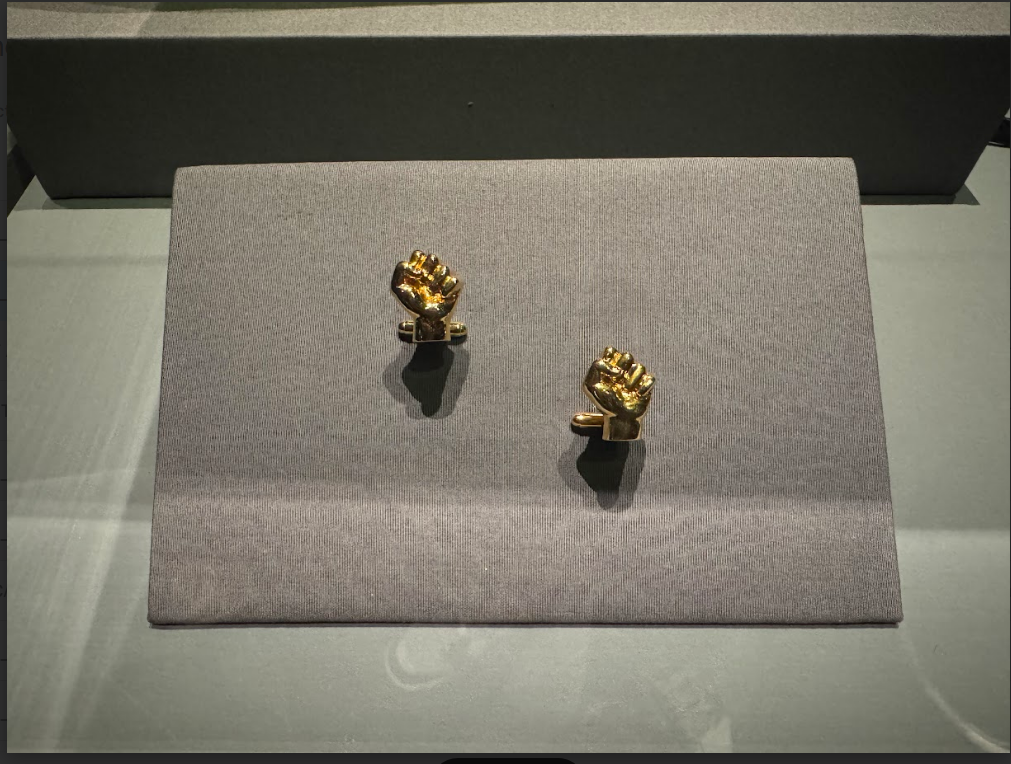
An object that caught my attention were these little gold cuffs I found inside a display case. They caught my attention right away because the fist they make resembles the Black Lives Matter logo as well as representing unity, solidarity, and a fight against oppression. Gold is also a symbol of wealth, and the exhibit as a whole serves to pay tribute to African American culture and the role it has played in shaping modern day fashion. Overall, I thought the object was pretty cool and would pair well with many of the suits featured in the exhibit.

Proudly powered by WordPress | Theme: Baskerville 2 by Anders Noren.

Up ↑