Digable Planets Rebirth of Slick, Cool Like Dat (1993) (Jacqueline Cohen)

1. What is the song about? 

This song is about confidence and being proud of your identity and the culture of hip hop

2. Do you find any relevance with today? 

I do find relevance with today because it’s important to express yourself and be proud and confident in who you are.

3. What are some of the NYC themes? 

Some of the NYC themes are street culture and hip hop culture.

4. How do they drive home the beat? 

They drive home the beat with a funky hip hop jazzy beat.

5. What about the visuals? What choices do they make in the videos? 

The visuals in this video definitely represent NYC. For example the taxi, the street signs, the subway. 

6. Where did the artists take their names from (if this applies)?

 The artists took their name from their love of jazz and rap, their sense of creativity, and the idea that everyone represents their own world and are therefore their own planet. Their specific stage names came from the artists trying to express themselves and reflect their identity.

7. What is sampling. What do they sample in the song your chose?

Sampling is when you use a part of an existing song in your own song and in this song they sample jazz from Art Blakey and the Jazz Messengers.

Alternative Art Spaces and Art in the Service of Social Justice:(James Yaya Hough)

James Yaya Hough’s 3 panels of colored glass art pieces became part of Battery Park’s art collection. Each 3 of the panels represent different topics connected to the carceral system. He’s using his art to address this issue in social injustice. He’s trying to share a message of a future with a reformed carceral system through the use of bright colors amongst sad images. They are on the Esplanade Plaza Wall because it’s a very open and accessible place. This is part of the Battery Park Authority’s permanent collection and it’s a great example of how art is used to display social injustice issues. -Jacqueline Cohen

Kiddush Cup

An object that ties me to my family and background is my “Kiddush Cup”. This is the wine cup that my family makes a blessing with on the Sabbath every week. This cup is sterling and was passed down from my grandfather to my father to be used during our Sabbath meals for the blessing of Kiddush. This connects me to my family and background because as a Jew the most important day of the week is Saturday when we celebrate the Sabbath. A big part of the Sabbath laws and traditions followed by generations of Jews is the blessing before the meals on the Night of the Sabbath and lunch the following day. This cup is very special and being passed down from my grandfather who also used it for his Sabbath blessings makes it even more special and meaningful. 

-Jacqueline Cohen

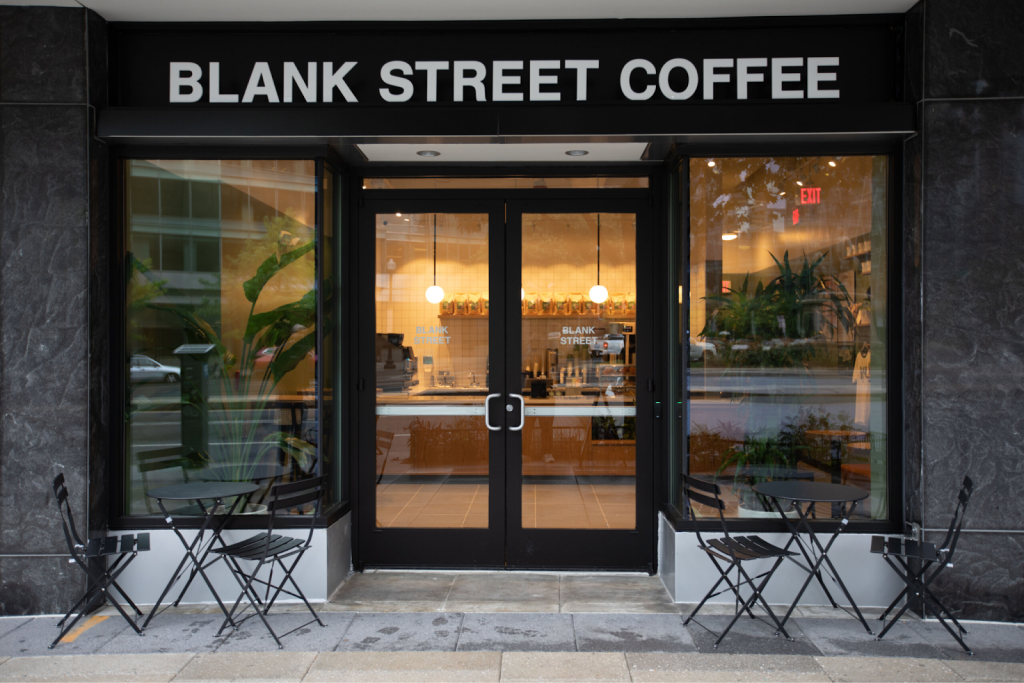
Icon of New York: Coffee Shops

An icon is something or someone that represents something bigger than itself. It’s something that has a bigger message. For example the Statue of Liberty is an icon of freedom in New York. I chose coffee shops as something that best represents New York because it helps show off the essence of a New Yorker. The people in New York are hustlers and they need to start off their day with coffee. That’s why there’s so many coffee shops all across New York. Not only do these shops help the NY hustlers start their day, but many coffee shops have also become a place for people to sit and do their work.

More info about their history:https://docs.google.com/document/d/1QexG4FUgErN5grMt4EG_xvqCAHEeqXx-vAsDFQxoT4U/edit?tab=t.0

Source: Carley Roche, “Coffee Houses of Old New York: How Coffee’s Global Influence Impacted America’s Foundations”, A Collections Chronicles Blog, South Street Seaport Museum, October 1st 2021

https://southstreetseaportmuseum.org/coffee-houses-of-old-new-york/


-Jacqueline Cohen

Proudly powered by WordPress | Theme: Baskerville 2 by Anders Noren.

Up ↑