Stories of New York: Hip Hop – Kashvee Kayani

The real video was taken down from YouTube. I picked this moment from the video because it matches the mood of the song. Wyclef is talking about what New York feels like to him, and this image shows how even after so many developments, after 15 years, we’re living in the New York he describes.

Alternative Art Spaces and Art in the Service of Social Justice: Kashvee Kayani

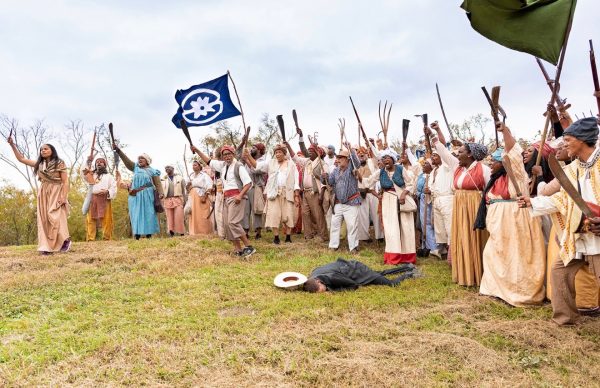
Dread Scott, an artist from New York. His 2019 project, “Slave Rebellion Reenactment,” was talked about in New York art spaces before it happened in New Orleans. Scott doesn’t make quiet or polite art, he pulls people right into the center of the issue and makes them face it. What I love is how his work brings back stories that were almost lost and makes people talk about things they usually avoid.

New York: A City of Immigrants – The Blue Harmonium

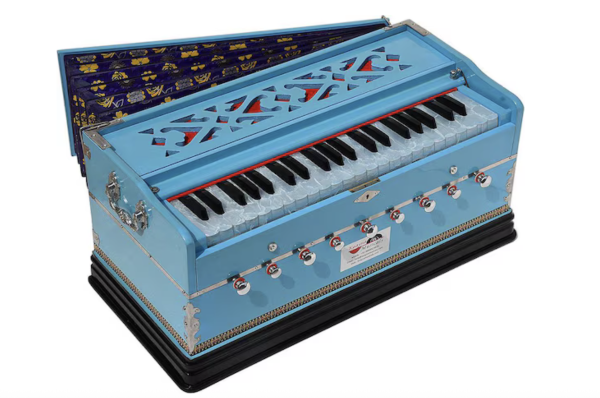
One object that connects me deeply to my background is the harmonium, a traditional Indian musical instrument. In my family, the harmonium is more than just an instrument, as it represents the rhythm of gatherings, prayers, and cultural expression. My grandparents often played it during devotional songs and celebrations, filling the house with music that brought everyone together. The harmonium reminds me of how sound and spirituality blend in Indian traditions, turning even simple family moments into something sacred. As Laura Isabel Serna suggests, everyday objects reveal emotional and cultural histories; for me, the harmonium reflects the harmony, creativity, and connection that define my heritage.

Making History Visible: “From Her Body Sprang Her Greatest Wealth” by Nona Faustine

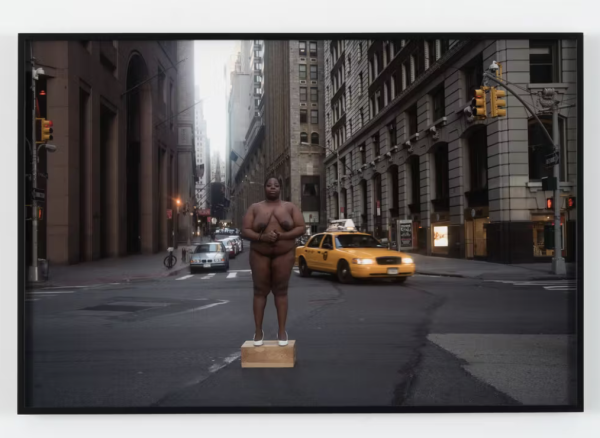
Nona Faustine, a photographer and artist from Brooklyn, New York, focused on history, race, and identity. She often used her own body in her work to connect the past with the present and show how slavery and racism shaped the United States, especially in New York City. Her most famous series White Shoes shows her standing nude except for white shoes at sites linked to slavery, making hidden history visible. From Her Body Sprang Their Greatest Wealth, represents how enslaved Black women’s bodies and children were used to create wealth for slave owners. By using her own body, Faustine both honors the suffereing of these women and shows strength and pride. Her work makes viewers confront the truth about America’s history and its connection to slavery. Exhibited in museums like the Brooklyn Museum and the Studio Museum in Harlem, her photographs remind people that history is not just in books but also present in the land around us. Through her art, Faustine makes history visible and ensures it is remembered. I believe that she is one of the best artists who represent not only Black women but women in general to prove inner strength through nudity.

Icons of New York: The Empire State Building

I believe that an icon is something that represents the art and culture of a designated location. Icons are very specific and can be imagined in one’s mind when thinking of a place. They portray the history and identities by capturing the essence of the places they represent. On the 17th of March, 1930, the great skyscraper of New York City started construction. Before, this icon was owned by the Astor family, who had the idea of getting rid of the hotel they owned on that land and building an office building instead. But later, they sold it to Empire State Inc. because they didn’t have enough money to build the office building. Taking down the hotel that was on that ground caused a problem because it needed huge amounts of money and work to clear the land. This delayed the construction. Then, the sudden crash of the New York Stock Exchange put the country into a 10-year-long depression. However, this didn’t change anything, since they continued to build the building. Finally, when it was ready, they had a big ceremony with the president at the time, Herbert Hoover, who symbolically turned on the light at the top of the building all the way from Washington, DC. Now, the Empire State has tenants such as banks and big corporations. I believe that this building strongly represents New York City not only because of its history but also because of its significance and net worth, as it is located in the financial capital. The Empire State’s unique lights during various occasions also showcase New York City’s diversity and portray a sense of nationality for the people of the BIG APPLE!
Superfine: Tailoring Black Style Object

This look caught my attention because it combines fashion with storytelling. The coat seems to display historical images or text, turning clothing into a tribute to Black history and creativity. The luggage with “ALT” honors André Leon Talley, a Black fashion icon, while the Telfar bags connect the past to today’s Black-owned brands. I found it powerful how something like a coat or suitcase can speak about identity, culture, and pride in such a stylish and meaningful way.

Afro-futurist Room Object: Commeraw, stonewar jar

This jar was made by Thomas W. Commeraw, a free African American potter in Manhattan’s Lower East Side during the late 1700s and early 1800s. He had a kiln in Corlears Hook, near the East River between where the Manhattan and Williamsburg Bridges are today. Like most pottery of that time, his pieces were useful for everyday life and decorated with carved designs painted with a blue glaze. The leaf-like design on both sides of this jar was common in his work and set his pottery apart from others in New York City. Commeraw created the largest collection of work by a free Black potter before the Civil War. Commeraw’s jar connects to Afro-Futurism because it shows that Black people in the past were artists and creators. It helps imagine a history where they had power and freedom, which is what Afro-Futurism is all about.

Proudly powered by WordPress | Theme: Baskerville 2 by Anders Noren.

Up ↑