Alternative Art Spaces and Art in the Service of Social Justice – Kara Walker
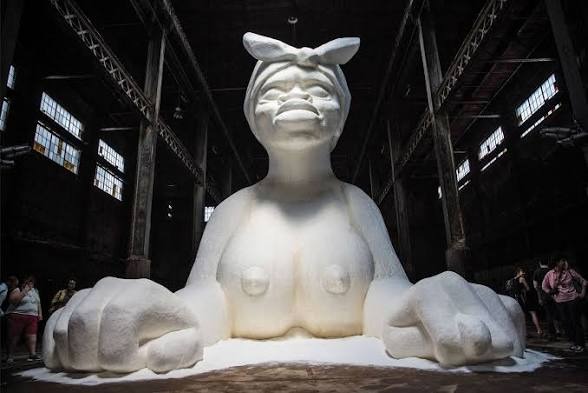
Kara Walker is a present-day American artist known for her use of her powerful black-paper silhouettes that show themes of race, gender, violence, and power in American history. She has shown her work in New York City at major institutions including the Whitney Museum of American Art and the Domino Sugar Factory in Brooklyn. One of her most talked-about projects is “A Subtlety (2014)” which was a huge, sugar-coated sculpture of a Black woman placed inside the abandoned Domino Sugar Factory. Through this piece, Walker confronted the painful history of both slavery and the sugar trade, exposing how exploitation and racism were connected to everyday products and labor. Her work in New York uses powerful images and artistic aspects to make people think about the injustices that still exist today from America’s past.
New York: A City of Immigrants – Pressure Cooker

One object that connects me deeply to my Jamaican roots is the pressure cooker. In my family, it’s more than just a kitchen tool, it’s a symbol of family and our way of sharing love through food. We use it a lot to make oxtail, which is one of my favorite dishes and a big part of Jamaican cuisine. The pressure cooker helps us cook the oxtail quickly and makes it really tender, so the flavors of the spices and seasonings come out perfectly. Jamacia once had intense food scarcity and oxtail was originally leftover pieces of meat. But with pressure cooking, those leftovers turned into a delicious, tender meal. It brings us together around the table, and it reminds me of how important food is in our culture. For me, the pressure cooker is a part of a story of resilience, community, and Jamaican tradition.
Making History Visible – Nona Faustine, “Not Gone With The Wind”
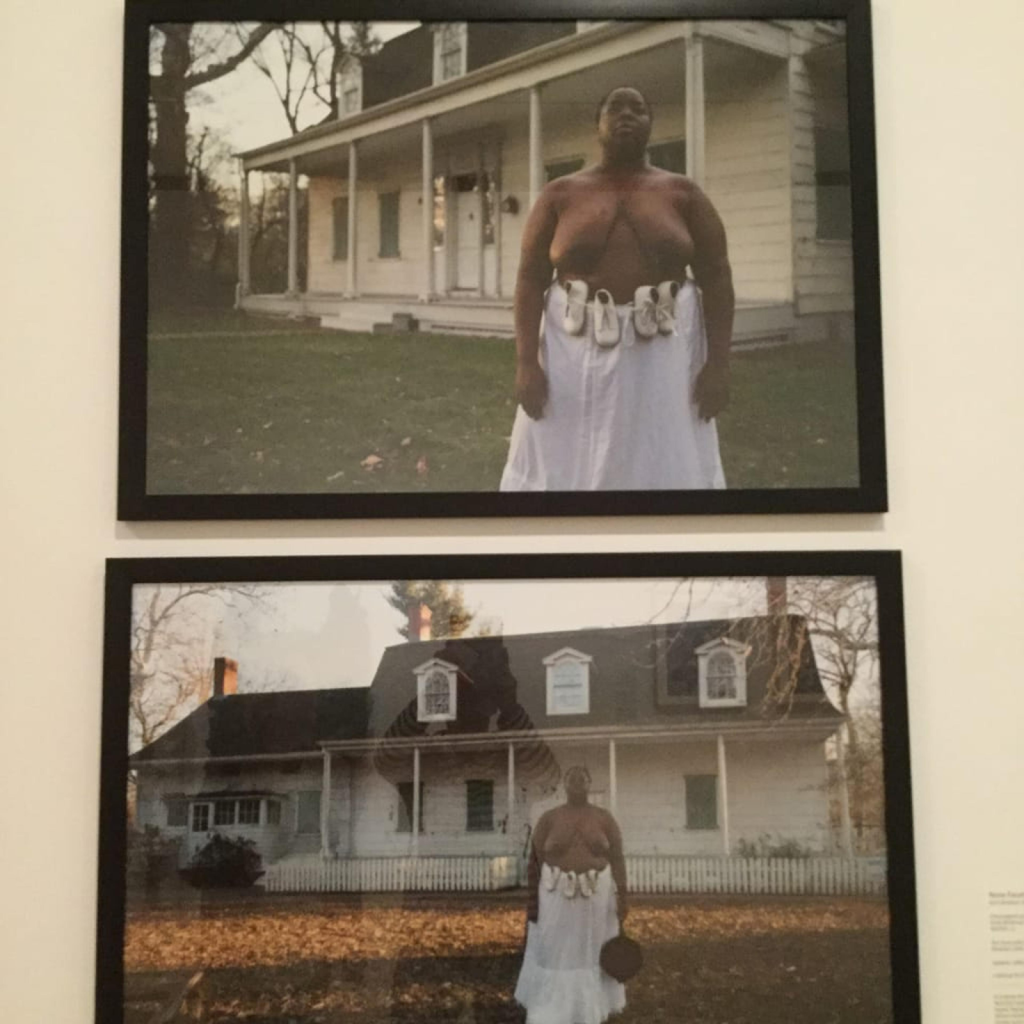
Nona Faustine, born in 1977 in Brooklyn, is a photographer and artist whose work explores history, memory, race, and the black female body. She is best known for her “White Shoes” series, where she photographs herself at significant New York City sites linked to slavery, often appearing partly nude and wearing or using white shoes. Her nudity symbolizes strength and vulnerability, showing how enslaved people were stripped of dignity. By placing her body in these spaces, Faustine urges reflection on slavery’s lasting impact on New York and highlights Black stories often erased from history. One of her most notable works from this series is, “Not Gone With The Wind” (created in 2015), which features Faustine in front of the Lefferts House in Brooklyn, a historic site that once held many enslaved. She wears a long white skirt, is topless, and has children’s shoes tied around her waist, symbolizing lost children/family and forced motherhood. The title opposes the less cruel portrayal of slavery in the movie “Gone With The Wind”, emphasizing its presence in New York’s history and telling us to confront and remember the lives and labor of those who built the city.
Icons of New York: The Pizza
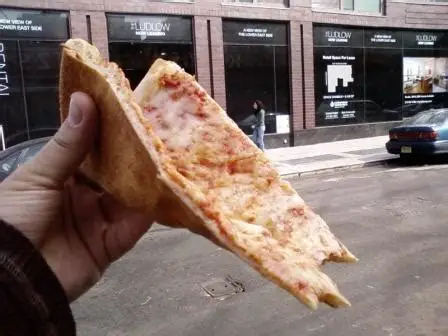
I chose a slice of pizza because it’s a beloved symbol of New York City’s diverse culinary culture. Known worldwide for its thin, crispy crust and flavorful toppings, NYC pizza reflects the city’s vibrant street food scene and multicultural environment. Its quick and easy preparation represents NYC’s fast-paced lifestyle, where people often grab a quick bite on the go. Brought by Italian immigrants in the early 1900s, NYC-style pizza is famous for its large, wide slices that are easy to eat while walking. Over time, it has become a symbol of the city’s immigrant roots, busy life, and food creativity. Today, NYC pizza, often folded in half for easy handling, embodies the city’s innovation, resilience, and energetic spirit.
Afrofuturist Room – Commeraw, Stoneware Jar

The Commeraw Stoneware Jar was made by Thomas W. Commeraw, a free Black potter in Manhattan in the late 1700s and early 1800s. He worked near the East River and created useful stoneware with decorative designs. His work is special and shows the talent of a free Black artist. He was one of the most active Black potters before the Civil War.
Superfine: Tailoring Black Style – Balmain Military Coat
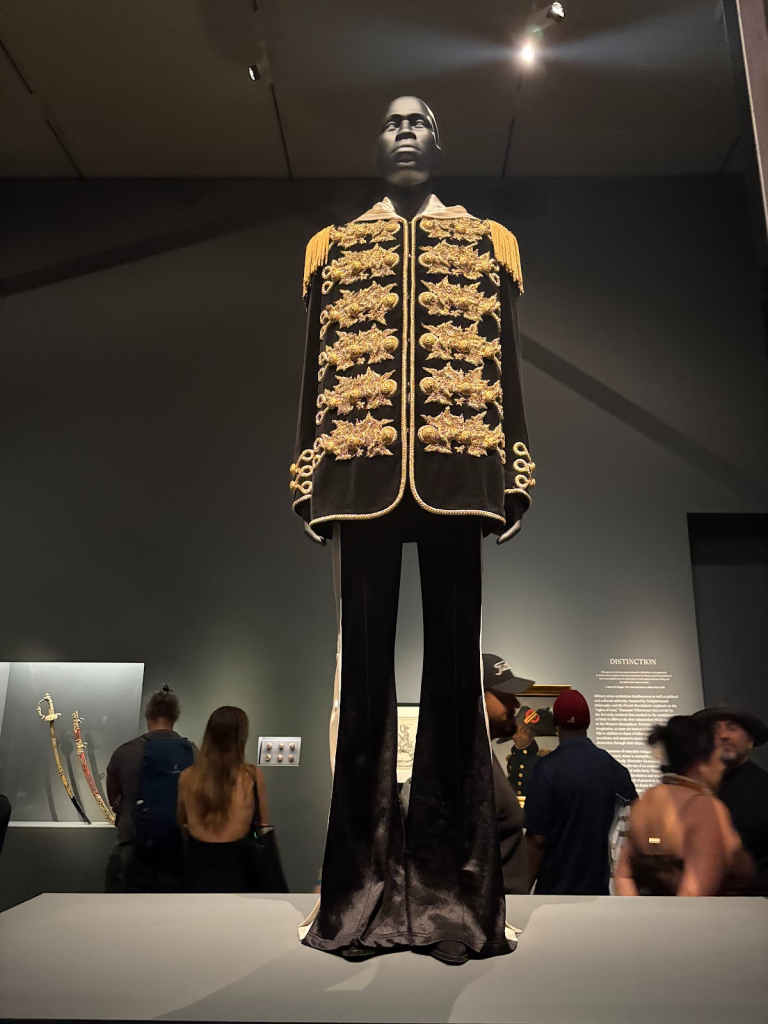
The object I chose was the Balmain military coat because it caught my attention with its combination of black and gold. At first, I thought the object looked like one of Michael Jackson’s flashy costumes because it was bright and stylish. I immediately associated it with his bold and unique fashion sense. But then I realized it was actually a military robe, which is meant to show strength, power, and a bold spirit. The outfit combines modern style with a sense of authority, making it look confident and commanding. Just like Michael Jackson’s costumes made him stand out and feel powerful on stage, this robe also gives off a strong and assertive feel, symbolizing bravery and revolutionary energy.