267 × 350
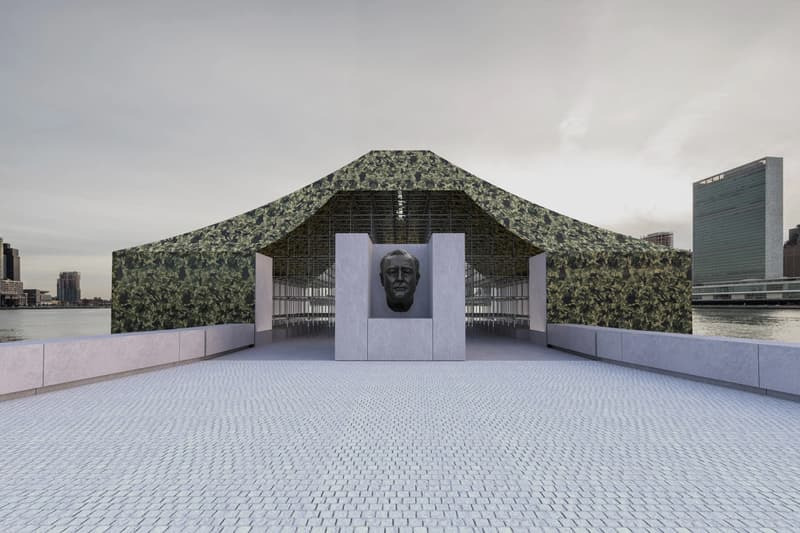
Chinese artist Ai Weiwei, renowned for his provocative work addressing human rights, government oppression, and social justice, created the public installation Camouflage at FDR Four Freedoms State Park on Roosevelt Island, New York City. The piece features netting patterned with cat silhouettes, a symbol of vulnerability and innocence, draped over parts of the park to explore themes of concealment, truth, and conflict. Visitors are invited to write reflections about freedom and tie them to the netting, making the installation a participatory and collective act that engages the public in conversations about fear, protection, and human rights.
Matthew Bologna
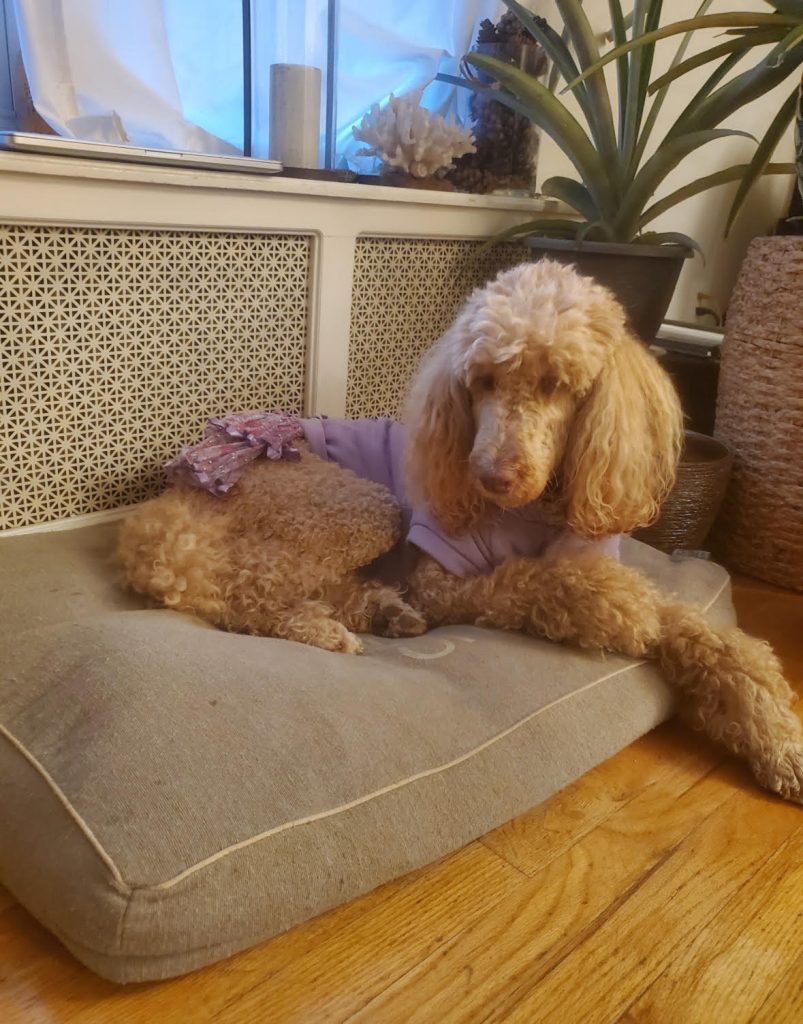

This statue of a poodle was given to my family by our elderly neigbor. Every morning when I would walk my dog my neigbor would come outside and greet us. He was extremely fond of my dog and always called her beautiful. One day he said he had a statue who looked just like my dog and that he wanted to give it to us. Ever since that statue has been sitting in my living room. Although, we know nothing about the statue or where it came from it is a representation of the importance of community. It also really does look exactly like my dog!
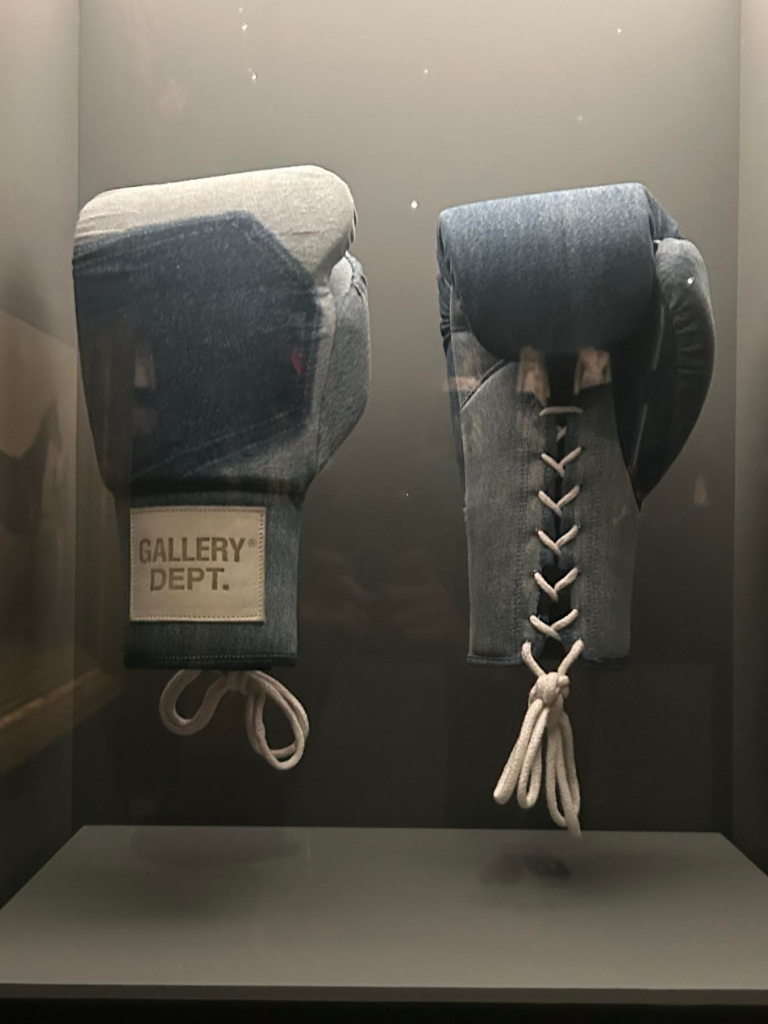
One object from the Superfine that caught my attention was the boxing gloves from the champion portion of the exhibit. Honestly, when I first saw them, I thought they were cool, but I was very interested to learn the way in which they connect back to the rest of the exhibit. The gloves are meant to represent the impact that African Americans, such as Muhammad Ali, have had in breaking down racial norms (Superfine:Tailoring Black Style).
Superfine: Tailoring Black Style. The Metropolitan Museum of Art. (n.d.-b). https://www.metmuseum.org/exhibitions/superfine-tailoring-black-style/inside-the-exhibition
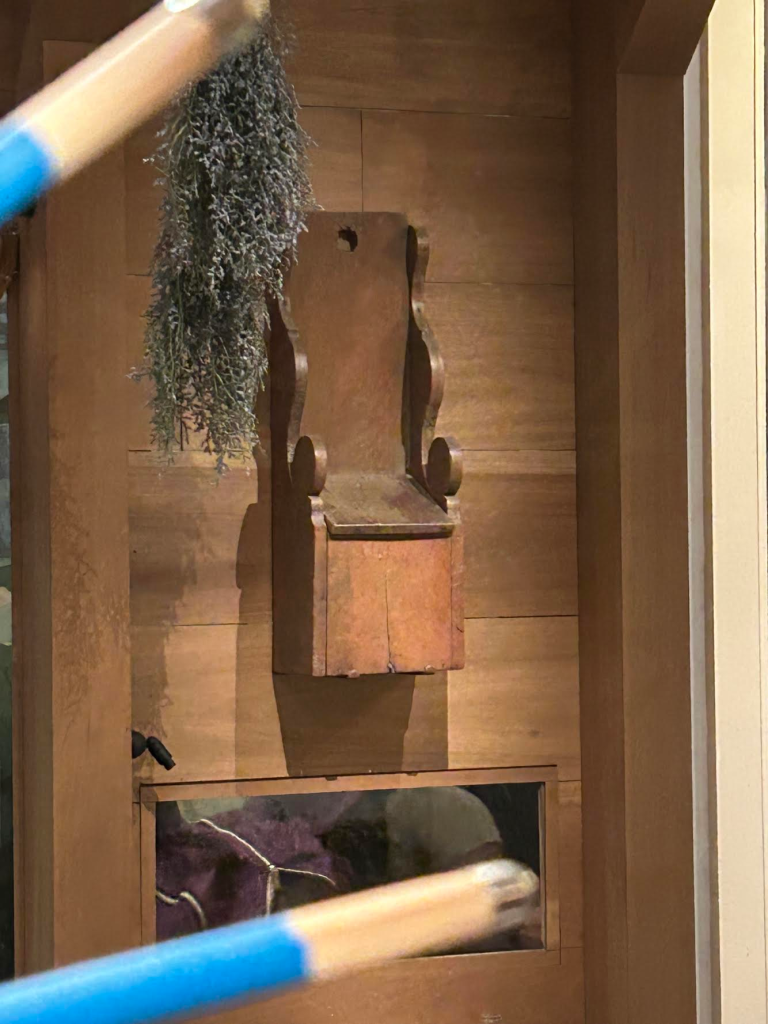
During and throughout the 19th century, a saltbox was an essential part of any household. The purpose of a salt box was to hold salt, which in this time period was used to preserve food that would otherwise spoil. Salt boxes were not only used for practicality but in some cases as decoration. People would sometimes paint and decorate their salt boxes. One example of this was Samuel L. Plank, an Amish folk artist in Mifflin County, Pennsylvania, who decorated the salt boxes he made (Galler, Salt boxes: Essential yet rarely noticed 2017). This specific salt box was made in Pennsylvania in 1850 out of yellow pine wood (Salt Box – American).
Galler, M. (2017, December 10). Salt boxes: Essential yet rarely noticed. The Georgetowner. https://georgetowner.com/articles/2017/12/06/salt-boxes-essential-yet-rarely-noticed-2/
Salt Box – American. The Metropolitan Museum of Art. (n.d.-a). https://www.metmuseum.org/art/collection/search/6944
Proudly powered by WordPress | Theme: Baskerville 2 by Anders Noren.

Read our documentation to learn more about how you can use CBOX OpenLab to create a commons for open learning.
Powered by:


