Russian-Soviet-Jewish-New-Yorkian-American-Parisian Tea Culture

Every night after dinner, my mom asks me a one-word question: “Tea?” After I nod my answer, she pulls out two teacups, two saucers, and a teapot from the cabinet behind her. In the teapot, she prepares zavarka, a concentrated form of tea, using black tea, named Paris, which I bought from a company based in SoHo. Over tea, she tells stories about her home country, Moldova, and adjustment to NYC. In 1993, my mom and her family immigrated to NYC from Moldova, along with the 35,900 other Jews emigrating from the former Soviet Union. After 1970, the largest wave of Jewish immigration since the 1920s occurred, and one of the largest locations of settlement was NYC. Migration was influenced in part by war breaking out when Transdniestria, now considered a region in Moldova, declared independence from Moldova. This region was composed mostly of the minorities of Moldova’s population, and Moldova refused to recognize it. When she escaped this situation as a refugee to NYC, my mom was one of many Soviet-Jewish women married early. She received one of the most common Soviet wedding gifts: a tea set. This set now stands in a cabinet in my mom’s kitchen, displayed as a reminder of her Soviet roots, but when used with American tea and her American daughter, the tea set reminds my mom of her adjustment to a new home.

Muchnick Family History

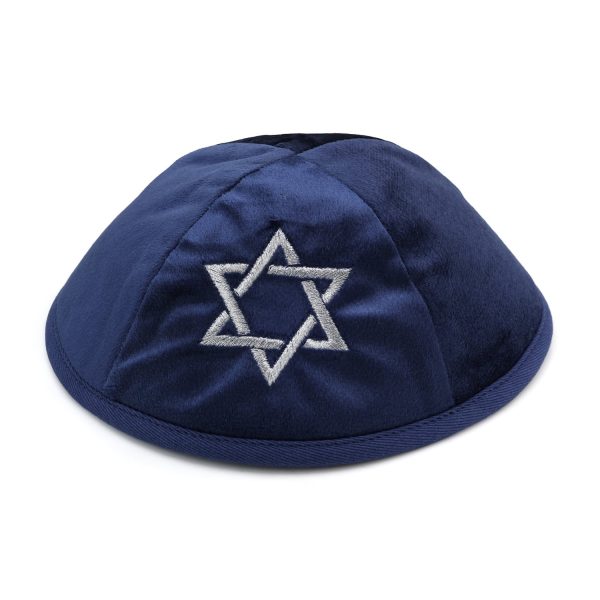
My family’s story is one of migration, survival, and identity, shaped by the waves of immigration that built New York. On my mother’s side, my grandparents are first-generation Holocaust survivors: my grandmother came from Kisvárda, Hungary, a small town whose once-thriving Jewish community was nearly wiped out during the Holocaust, and my grandfather came from Soviet Ukraine. In 1977, feeling there was no future for Jews in Europe, they immigrated to America and settled in Mill Basin, Brooklyn, among other immigrants with similar stories. On my father’s side, the family was already rooted in America, settling on Long Island in Nassau County, though the connections to Europe were never far away—my great-grandmother survived the Holocaust in Hungary before making her way here, and my great-grandfather served in the U.S. Army during World War II, leading a post-war interrogation unit. What carried over from the old world was less about language, since my grandparents speak fluent Hungarian and Russian but never taught it to me, and more about a deep sense of Jewish identity. If I had to choose one object to represent my family, it would be a kippah—small, simple, but carrying everything. My family left Europe because they were Jewish, survived because they held onto who they were, and rebuilt in Brooklyn and Long Island because New York gave them a fresh start. Their story connects directly to the Jewish experience on the Lower East Side and the broader history of immigrant New York.

Proudly powered by WordPress | Theme: Baskerville 2 by Anders Noren.

Up ↑