Representing Demographic: Jamaica and West Indies
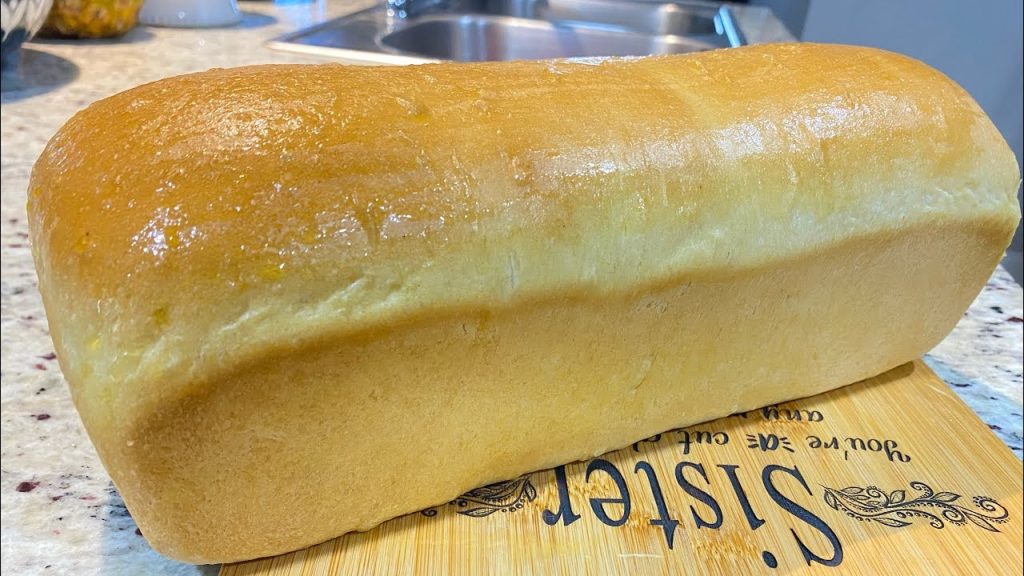
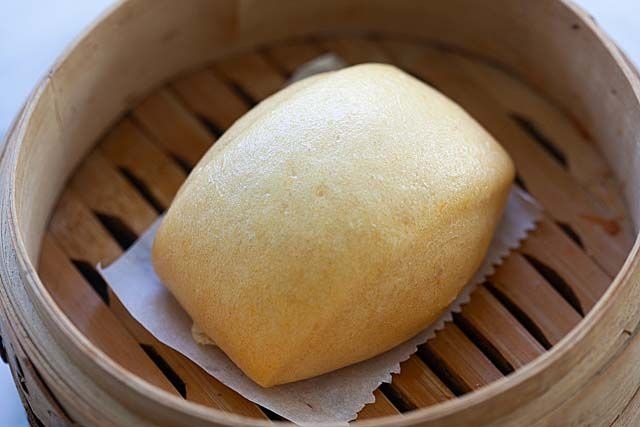
Unlike other Jamaican food dishes, hard dough bread is not very well known or eaten. However, it would be very useful in discussing post-chattel slavery in the Americas, and exemplifying how food can be the center of cultural blending. The history of this bread is rooted in Chinese migration to Jamaica in the 1830s, after the abolishment of slavery on August 1st, 1834. In Nyam Jamaica, a Culinary Tour, by Rosemary Parkinson, the author notes that colonial powers, like the British and Irish, attempted to replace black workers with indentured servants and contracted laborers from the Indian Subcontinent, China, the British Isles, West Africa, Germany, Portugal, and Greater Syria. It is theorized that Chinese workers would set up cafes next to plantations and sell breads, like mantou. These steamed buns have very similar textures to hard dough bread and are believed to be the origin or at the very least, related to hard dough bread.
New York City is home to a large Caribbean community, with Jamaicans making up 2.2% of the city’s overall population, according to NYC Planning and 2020 Census data. Introducing this bread into schools would pay homage to the heritage of some students and help to make “exotic foods” more acceptable to students that might be unfamiliar with them.

