

Representing Demographic: Mexico and Central America.
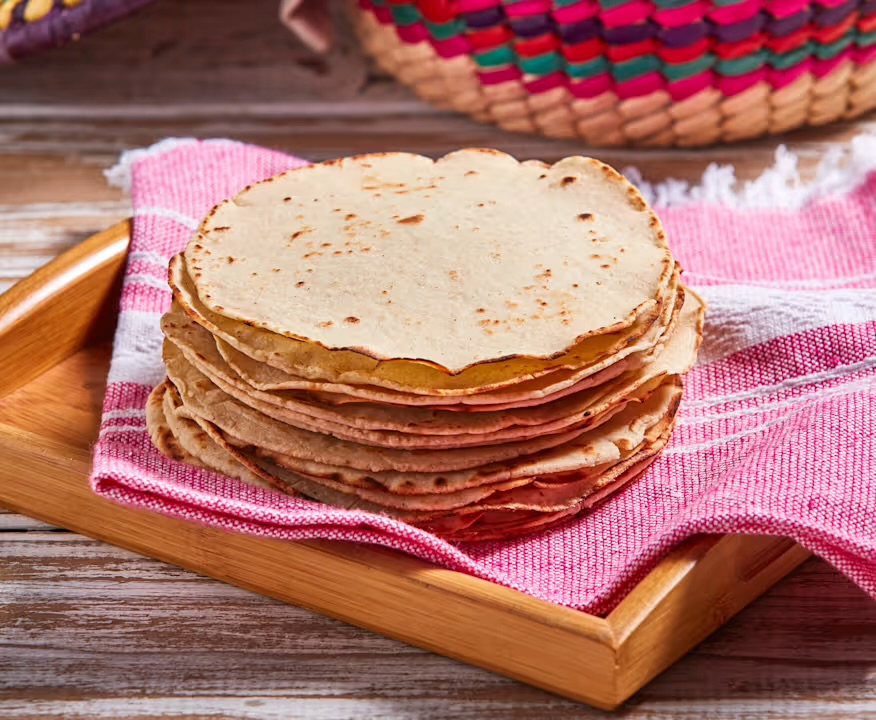
Tortillas are a type a flat bread, a style of bread that is flat by either rolling out the dough thoroughly or in the case of tortillas, a tortilla press, and are usually unleavened. The oldest tortillas dates to 10,000 B.C. and were made with dried, nixtamalized (when an ingredient is soaked into an alkaline solution) corn. Through European colonization, the wheat variant of tortillas was developed. The name comes from the Spanish word for “small cake”. Today, tortillas play a huge roll in the cuisine and food traditions of Mexico and Central American countries. Tortillas have grown in popularity across the globe, especially in the United States.
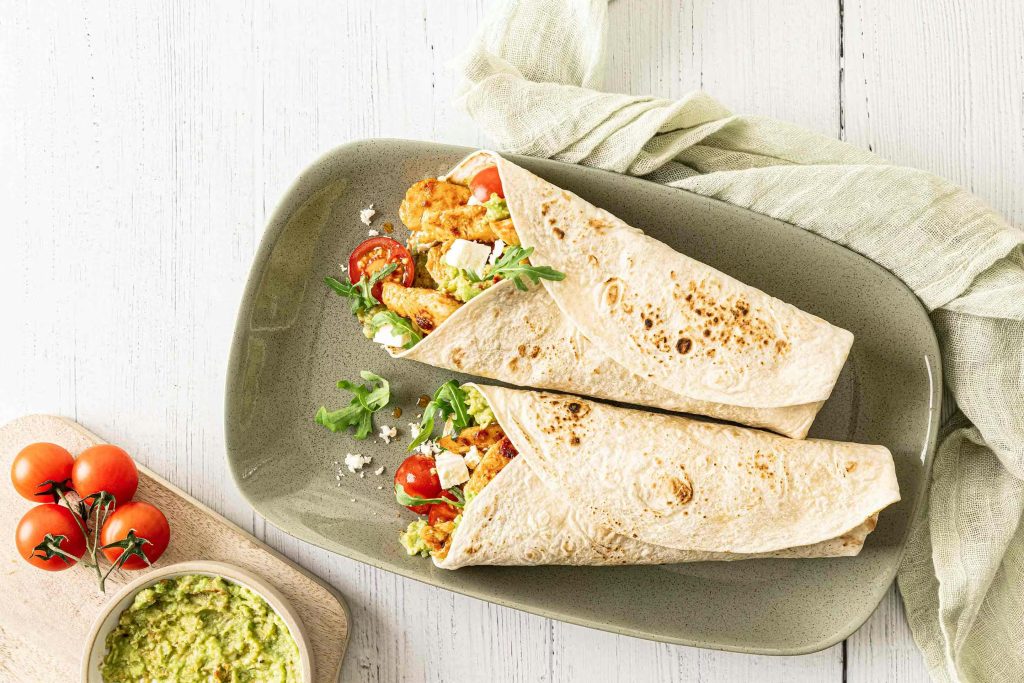
While many sources slightly vary, Mexicans make up approximately 5% of the New York City immigrant population and are the third largest group. In the 2024-2025 school year, the New York City Public Schools system finds that 42.3% of students are Hispanic/Latino. While not all Hispanic students are Mexican or connect with tortillas strongly, it can still promote inclusivity and acceptance and be the start of a bigger project that may add more breads or food items from Latin America. UNESCO has recognized it to be an Intangible Cultural Heritage of Humanity. Knowing that, the addition of tortillas to the school lunch makes sense in reflecting and acknowledging student demographics and creating a culture or acceptance. The tortilla is also diverse in eating technique because you can add proteins and greens of your choosing on top, or it can be eaten on the side. It can be eaten as a cold wrap or cooked with your favorite stuffing. It can be eaten with its soft texture or it can be baked further into crispy tostadas.

