

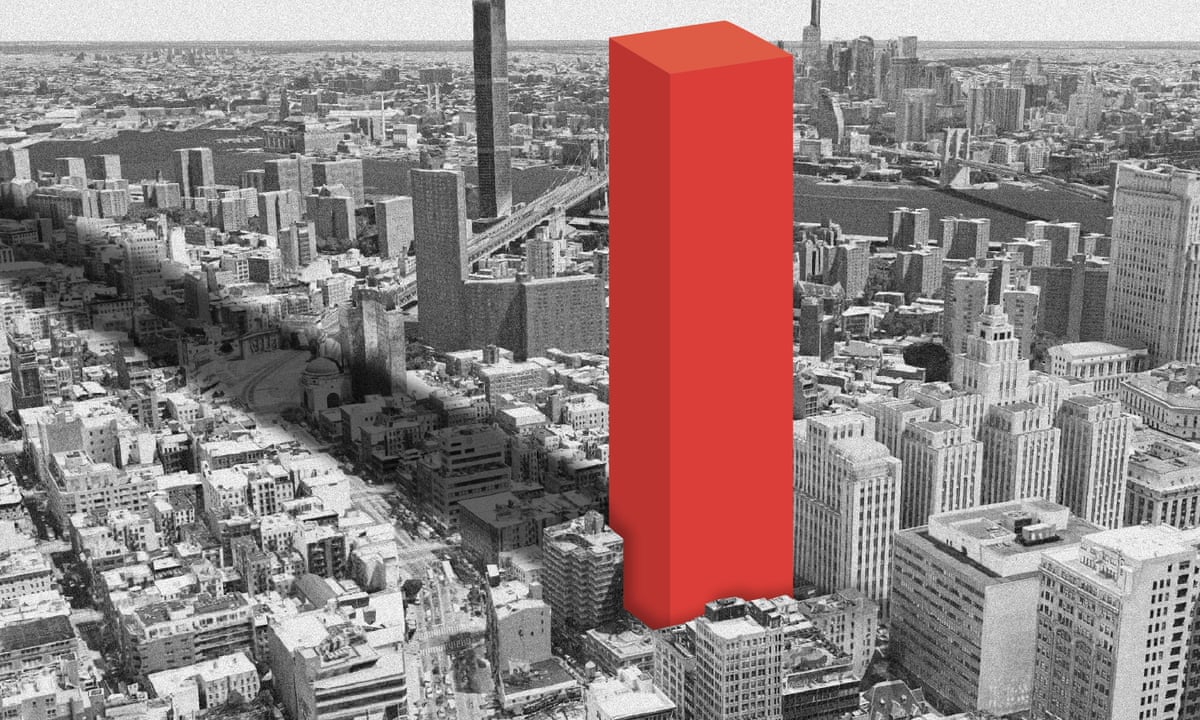
Based on the results of our qualitative study, we saw a mix of varied conflicting opinions regarding the Mega Jail being built at Chinatown, Manhattan. By examining the data, we were able to identify patterns between participants and their responses.
Interviewees who are deeply rooted in the community like long-time business owners, kids who are generationally tied to the neighborhood, and elderly patrol groups opposed the plan to build the Mega Jail. They believed that the construction of this institution would erode Chinatown’s cultural history. Moreover, many of these participants were not so convinced that the improved jail would successfully address the city’s broken incarceration system.
Interviewees who are newer and culturally distant from the community like non-Chinese public defenders and newly established business owners generally are in favor of the plan to construct the Mega Jail. They essentially argued that the proposal would be great step in reforming the jail system after the closing of Riker’s Island and that it would stimulate more business.
Going back to our research question, “To what extent do government projects, like the Mega Jail in Chinatown, affect local communities?“, we can answer this by analyzing one’s generational and cultural tie to a community. As we saw in Chinatown, Manhattan, support for the Mega Jail varied deepening on an individual’s background. Our data suggests that local communities are more impacted by government projects if they’ve resided in the area much longer. Furthermore, we’ve seen how skeptical people are of change. Even though the government has shared plans and designs of the future Mega Jail, many of our participants did not fully believe the reform would actually come into fruition as imagined. This calls into question the people’s trust and faith in the government. Is this a result of our modern political climate? Does the success of government projects rely on the reactions of the people? What can the government do to garner the trust of communities? These are questions we are asking ourselves as we modify our research plans to follow up on our results.


