

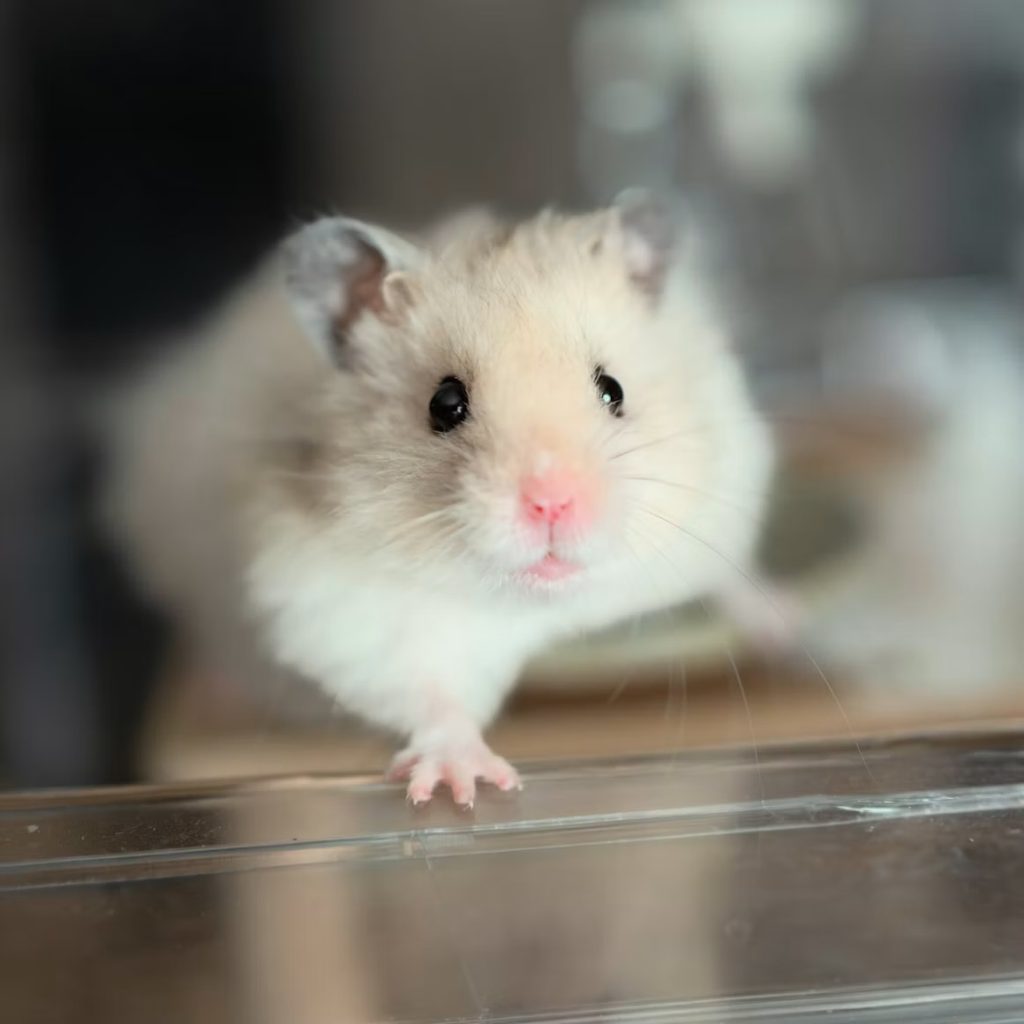
The non-fiction science book that I decided to read is called Is My Hamster Wild? The Secret Lives of Hamsters, Gerbils & Guinea Pigs, written by Rain Newcomb and Rose McLarney. This book was published on July 1, 2008. I first approached this book through the cover image, which depicts a hamster with its paws in its mouth, which I found very adorable. I then quickly skimmed through the pages. I easily lose interest in long readings, but this book had a balanced mix of images and text, which motivated me to read more deeply. I read this book in two sittings, and as I read through the pages, I took notes. Most of my notes were about the fascinating facts I found cool or mind-blowing about the three types of rodents the book discussed.
Newcomb and McLarney started with an introduction that covered all three rodents: hamsters, gerbils, and guinea pigs. Then they included a section on each of them. Throughout each section on the little animals, the authors also made connections to other types of rodents, including prairie dogs, squirrels, and capybaras. One fascinating fact I learned about rodents in general is that their teeth never stop growing. Therefore, they always have to gnaw on hard items to maintain their perfect tooth length. Another interesting fact I learned is that most pet hamsters today originated in Syria. A funny fact I learned about Syrian hamsters is that they can carry food in their cheek pouches that weighs more than their own small body weight. This ability lets them carry and store food in their homes to survive the winter. One surprising fact I found about gerbils is that their front feet have four toes, while their back feet have five. This trait allows the gerbils to stand on their hind legs and look out for any potential danger. Additionally, gerbils communicate with each other through stomping their back feet. Last but not least, the last section was about guinea pigs, and a cool fact is that they can get sick if they don’t eat their poop because of how their digestive system works. Other facts I learned included that hamsters and gerbils clean themselves with a sand bath instead of a water bath. These mother rodents can eat their newborn baby if the baby is sick to protect and save space for her other babies. After reading this book, my main takeaway is that the authors wrote it to help readers understand why pet hamsters, gerbils, and guinea pigs behave the way they do, since their traits and actions reveal what they need to survive in the wild.
When it comes to the credibility of the information about the rodents from this book, I believe they are creditable because it went through different phases and processes to be successfully published under the publishing company called Lark Books, A Division of Sterling Publishing Co., Inc., where I was able to learn that the book was traditionally published. This is a children’s book, and the authors made it entertaining by using questions to prompt the readers to think. This keeps the children curious and lets them find out the answer later in the book. When I read it, I found something shocking on almost every page, which made me keep flipping through to learn more. Along with the text, the images and its design/layout that the authors placed adjacent to the text are so adorable. This implementation makes me want to continue reading and be curious on how many more adorable images there are of these rodents in the later pages of the book. Together, these factors help readers absorb the information.


Leave a Reply