
By: Leora Katsman, Ryan Gill, and Leanngelisse Davalos
New York City Housing Insecurity Overview

As of May 2026, the estimated number of people experiencing housing insecurity in New York City exceeds 350,000. This includes individuals living in shelters, those experiencing unsheltered homelessness in public spaces such as parks or the NYC subway system, and those temporarily housed with friends or family (Coalition for the Homeless).
Economic Motivations
Strong economic incentives shape how homelessness is managed in Midtown Manhattan. Midtown is home to major:
- Offices
- Retail Centers
- Entertainment Hubs
- Iconic Landmarks
This makes it one of the city’s busiest economic centers. Tourism is vital to the city’s economy, generating billions of dollars each year, supporting more than 376,800 jobs, and contributing significantly to hotel and tax revenue (DiNapoli).
Midtown, particularly Times Square, generates billions in annual spending and attracts as many as 400,000 visitors per day (Times Square Billboard). This revenue comes from:
- Broadway
- Dining
- Shopping
- New Attractions
Even a small decline in tourism can have real economic consequences for the city, putting pressure on policymakers to preserve Midtown’s appeal.
The need to preserve New York City’s image as an attractive destination strongly shapes how homelessness is managed in public spaces. Because NYC is effectively selling an idealized experience to visitors, the appearance of public space becomes economically significant.
City officials actively promote what they describe as a “welcoming environment” (DiNapoli), usually defined by safety and cleanliness, raising the question of who these spaces are truly welcoming to. Tourism research suggests that visible homelessness can negatively affect visitor perceptions and reduce spending by exposing a gap between the city’s curated image and what tourists actually experience (Seo et al.; Robbins).
Image Management in the Digital Age
The city continues to invest heavily in marketing campaigns to protect its global image (DiNapoli), but social media has made that task harder by allowing tourists to share unfiltered images and experiences online, limiting officials’ ability to control public perception (Buzinde et al.).
Laws and Enforcement
To protect its economic interests, New York City relies on laws and enforcement practices that regulate how public space is used and who is permitted to remain in it. Framed as equal protection under the law, New York City carefully structures these rules so that it does not need to ban homelessness explicitly; rather, it targets behaviors associated with homelessness, even if the impact is unequal in practice.
Panhandling
Panhandling is technically legal in New York City. Yet, it is subject to numerous regulations and is sometimes even prohibited in bustling areas such as Midtown Manhattan and transit hubs (LegalClarity). This criminalization disproportionately affects homeless individuals who rely on this form of income and pushes them out of the very areas where it is most effective: places with high pedestrian traffic.
Behavioral Restrictions

The city does not outright prohibit sleeping outside, but public parks close overnight (Chan).
This policy falls most heavily on unhoused individuals who depend on parks as one of the few available places to rest. Those with stable housing are largely unaffected, since they do not rely on public parks for overnight shelter.
Disorderly Conduct
Because there is no direct law against sleeping outside, homeless people are frequently charged under other statutes for this behavior. One of the most commonly used is disorderly conduct, which states that a person can be charged if they “cause public inconvenience, annoyance or alarm” (New York Penal Law § 240.20).
Homeless individuals often fall under this statute because of broad interpretations involving “obstructing pedestrian traffic” or creating “hazardous conditions” (New York Penal Law § 240.20).
The language is so expansive that it allows homelessness itself to be criminalized, since sleeping on sidewalks or living in encampments can easily be interpreted as disorderly conduct.
Encampment Sweeps

A recent lawsuit argues that encampment sweeps violate the rights of unhoused residents. During these operations, the city confiscates and destroys vital possessions, including clothing, medication, bedding, and identification documents, all of which are essential for survival, especially for those already at a disadvantage (Spectrum News Staff).
Although city policy requires at least 48 hours’ notice and the temporary storage of belongings, these operations are often carried out with little or no warning, leaving individuals with limited opportunity to collect their possessions (Hogan; Spectrum News Staff).
While the city claims these sweeps promote safety and connect people to services, the reality is more complicated and reflects the broader regulation of public space. Statistically, sweeps have been largely ineffective in connecting people to shelter. An audit of the New York City Department of Homeless Services found that only 5% of individuals accepted shelter during sweeps, and 31% of cleared sites saw homelessness return (Levine).
These outcomes suggest the approach is largely “punitive and ineffective” (Hogan), displacing individuals and forcing them to start over without basic resources, pushing unhoused people deeper into instability by removing the very items they need to move toward secure housing and employment.
Transit Policing (MTA System)
Laws and regulations that are highly restrictive toward unhoused individuals also govern transit spaces, including:
- Penn Station
- Grand Central Terminal
- The Midtown subway system
The Metropolitan Transportation Authority (MTA), while technically a public system, enforces strict rules that limit how space can be used.
MTA policies explicitly prohibit:
“lying down, sleeping, or outstretching in a way that takes up more than one seat”NYC Government
In addition, remaining in the paid subway area for extended periods without a clear transit purpose is classified as “non-transit use,” giving authorities grounds to remove individuals who are not actively traveling (Colon).
As a result, even though the subway operates 24 hours a day and provides warmth and shelter, it is effectively off-limits for unhoused individuals.
Many of these policies are justified by high-profile incidents, such as the killing of Michelle Alyssa Go by a man experiencing homelessness and schizophrenia. Such cases heighten public concern about subway safety and often lead to homelessness being framed as a generalized threat, even though the vast majority of unhoused individuals are not dangerous (Newman et al.).
While rider safety is essential, there is a distinction between risk prevention and systemic exclusion. Accounts from homeless individuals describe being regularly approached, monitored, or removed by police or transit workers even when they are not engaging in illegal activity (Moore).
In many cases, their presence alone is treated as justification for removal.
Hostile Architecture
Just as laws and enforcement regulate who can occupy public space, New York City also uses physical design to shape who can remain there. One of the most visible ways this happens is through hostile architecture, also called defensive or anti-homeless architecture.
This urban planning strategy shapes public environments to limit how people use them. These designs aim to discourage activities like sleeping or loitering in public areas (Rosenfeld).
Although they are often framed as safety or maintenance features, they disproportionately affect homeless individuals, who rely on public space for basic needs (McCreath). In practice, these designs often exploit legal gray areas by restricting behavior without explicitly banning it.
Origins of Hostile Architecture
The logic behind hostile architecture can be traced back to earlier theories of urban design, particularly the work of American architect Oscar Newman. In Creating Defensible Space (1972), Newman argues that architectural design can reduce crime by promoting surveillance and creating more controlled environments. While originally conceived as a crime prevention model, this approach now extends beyond safety, particularly in cities like New York, where it regulates who can occupy public space.
Hostile architecture takes many forms, designed to make resting or sleeping physically difficult or impossible.
Explicit Examples
Explicit examples include locked, curved, slanted, or otherwise unorthodox benches, as well as benches with metal dividers that prevent people from lying down or remaining in one place for extended periods. Street spikes similarly make sitting or sleeping uncomfortable or unsafe, while raised grates over street vents remove one of the few sources of warmth available to people sleeping outside (Mutuli).


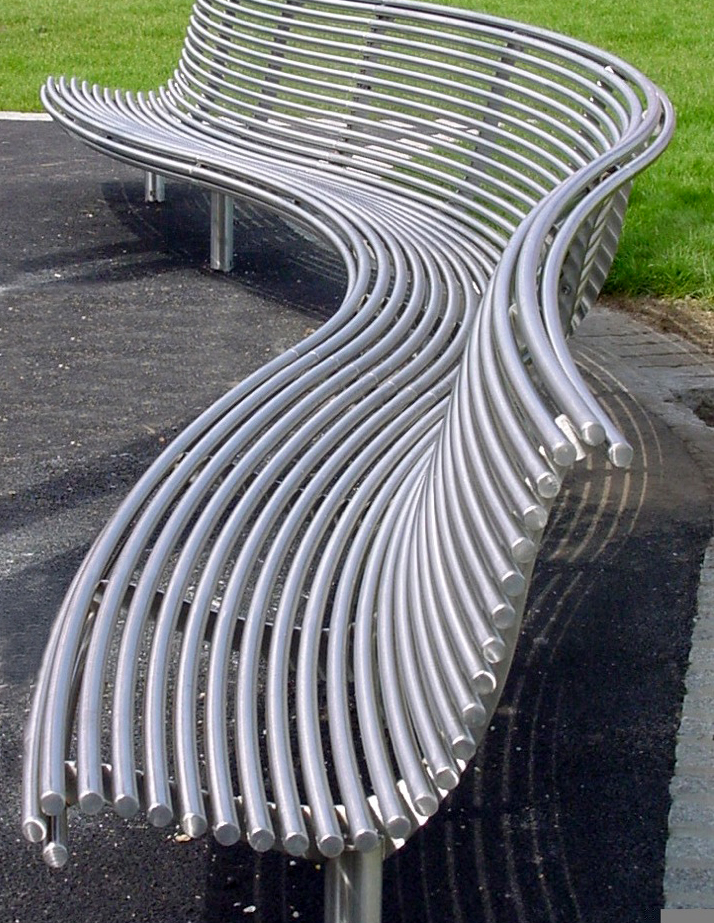
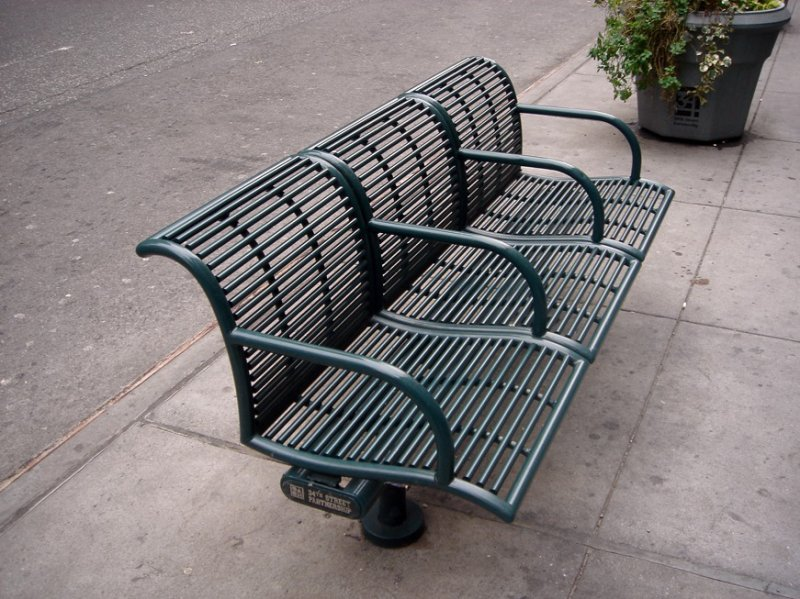

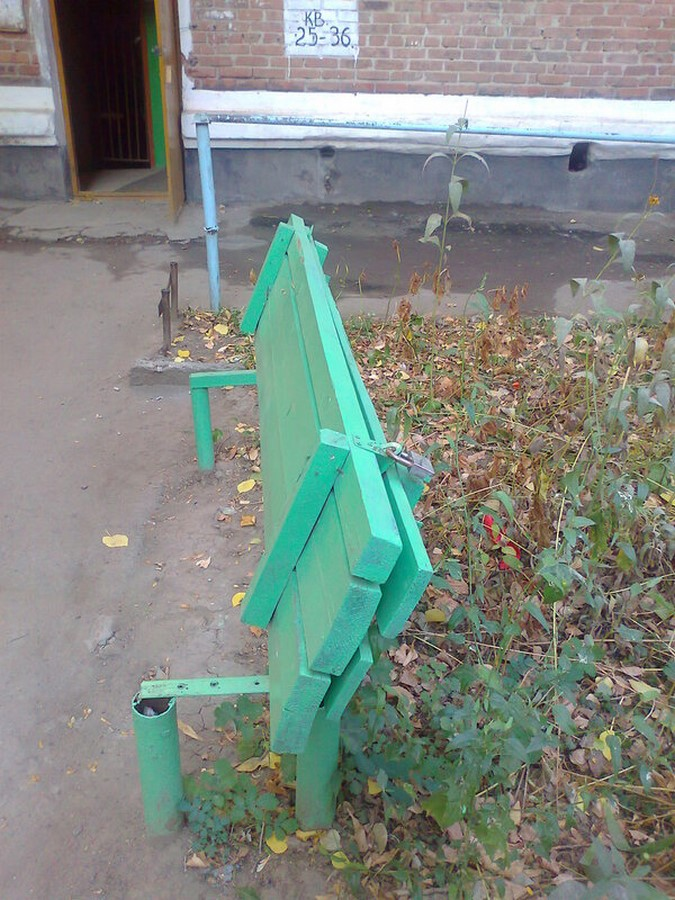

There are also subtler forms of hostile architecture that discourage the use of space in less obvious ways.
Subtle Examples
Sidewalk gardens and rocky pavement may appear decorative, but they often occupy areas where people might otherwise sleep. Gaps in awnings allow rain to pass through, preventing people from sheltering underneath. Similarly, blue-lit washrooms, originally designed to deter intravenous drug use by making veins harder to locate, can also make it difficult to sleep or spend extended time inside because of their harsh lighting (Mutuli).


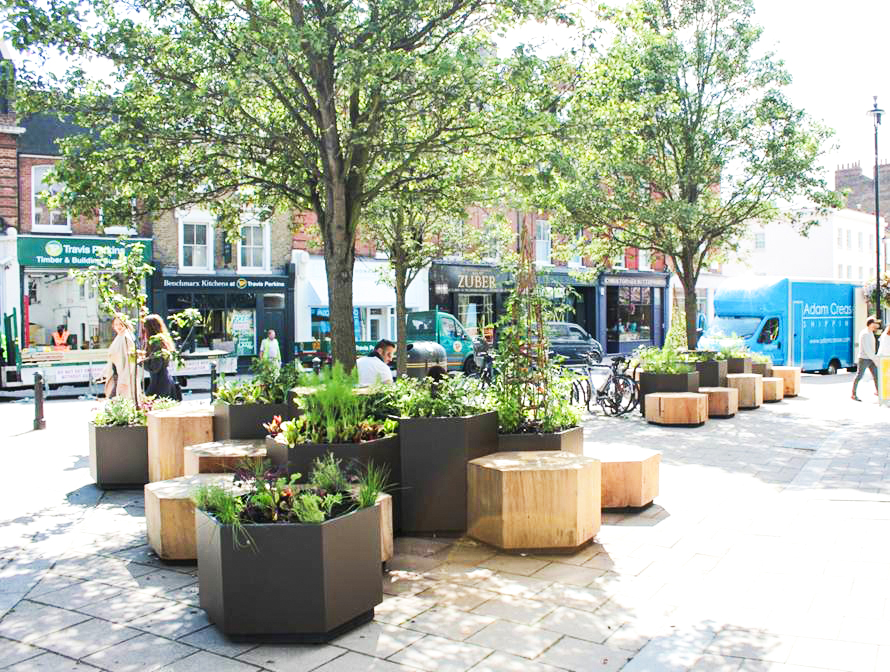

These design strategies are not abstract ideas. They are clearly visible throughout Midtown Manhattan, especially around Penn Station and its expansion, Moynihan Train Hall.
Moynihan Train Hall Seating

Moynihan Train Hall is a major transit hub filled with dozens of retail and dining options.
Despite its multi-million-dollar redevelopment, the station offers very limited seating, forcing people to sit on floors or lean against the walls. The open layout and lack of seating discourage lingering and keep pedestrian traffic moving. However, this design has an especially harmful effect on unhoused individuals who rely on spaces like these for rest (Pandey). The lack of seating also affects everyday commuters, who are similarly left without adequate seating while waiting (Martinez).
Bollards Outside Penn Station
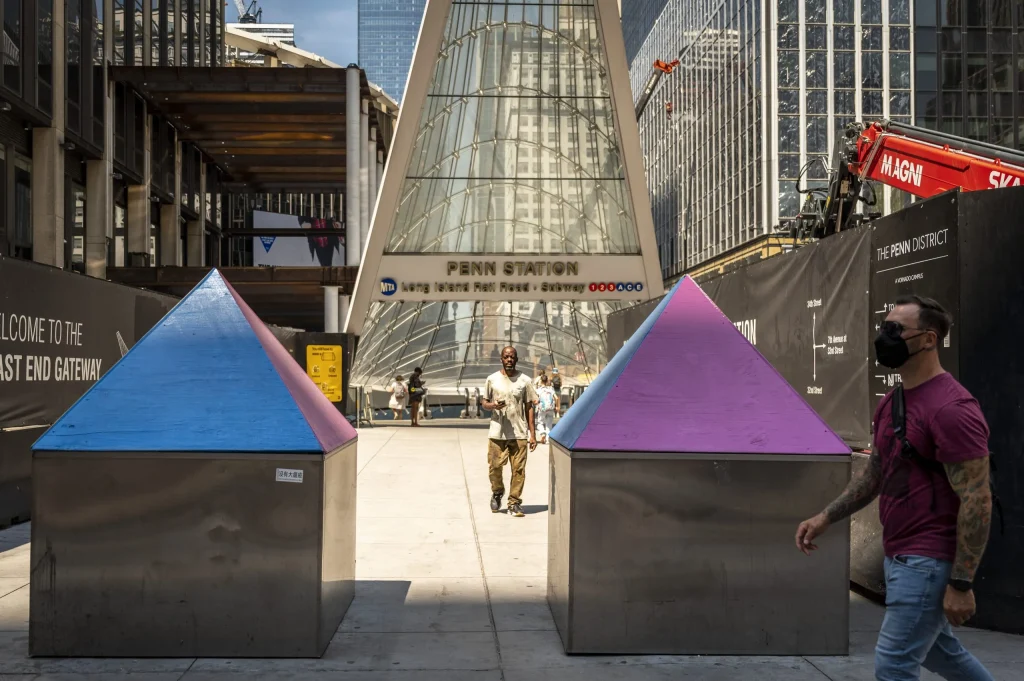
Outside Penn Station, similar anti-homeless strategies are visible in the installation of wooden pyramid-shaped structures on bollards, where people had previously used them as makeshift tables or resting places.
While these additions were framed as aesthetic improvements, they were introduced in response to complaints about homelessness and aggressive panhandling (Martinez). These concerns are understandable, but they also point to broader governmental and societal failures to provide adequate housing and support for those without shelter.
Impact
New York City’s approach to homelessness in Midtown Manhattan reveals who the city believes deserves the right to public space and to the city itself. Through economic priorities tied to tourism and public image, restrictive laws, and hostile architecture, NYC dictates how and when the public can use public spaces. There is nothing dignified about being homeless; it entails having every aspect of daily survival met with barriers and the constant threat of removal, while being forced to navigate a city that is actively working against you.
The system contributes to the criminalization of basic survival for people experiencing homelessness. Actions that would normally take place in the privacy of one’s home, like sleeping and eating, can instead result in individuals being fined or arrested and pushed out of spaces simply for trying to survive. These penalties can remain on a person’s record, making it even more difficult to secure employment or housing and trapping individuals in cycles of homelessness (Chan).
Yet, the narrative is often reversed, with the public positioned as the victim instead of those experiencing homelessness. Even the language that city officials use reflects and reinforces this framing, with former NYC Mayor Adams describing homelessness as a “cancerous sore” that must be removed (Price). Psychologically, framing homelessness as a threat and the public as its victim helps justify policies that push unhoused individuals out of sight and out of the city.
Ultimately, it is easier to implement hostile architecture and criminalize homelessness than to address its root causes and recognize that public space should remain truly public, especially for those who depend on it most.
Overview: New York City’s management of homelessness in Midtown Manhattan is shaped by economic priorities, enforced through laws and policing, and reinforced through hostile architecture that restricts access to public space. Together, these factors create an urban environment that prioritizes economic image over addressing housing insecurity and the collective right to the city. For people experiencing homelessness, basic needs such as sleep, food, and hygiene become ongoing challenges in an environment not designed to accommodate them. Instead, public space is often regulated in ways that signal exclusion, making homelessness in certain areas feel criminalized.
Peek-A-Boo Police
The police are very influential in shaping public opinion. This was extremely apparent in the 2015 campaign produced by the NYPD titled, “Peek-A-Boo, We See You Too.” This was:
- Started by the right-wing union of the NYPD, the Sergeants Benevolent Association (SBA)
- Officers were tasked with taking dehumanizing photographs of unhoused individuals
- Officers were told by the president of the SBA, Ed Mullins, “Please utilize your smartphones to photograph the homeless lying on our streets, aggressive panhandlers, people urinating in public or engaging in open-air drug activity, and quality of life offenses of every type.”
- Photos were then uploaded to a website and instagram page where residents were encouraged to visit. (fig. 1)
- One of the main targets of the campaign was Midtown, which is both a major tourist area and heavily gentrified.
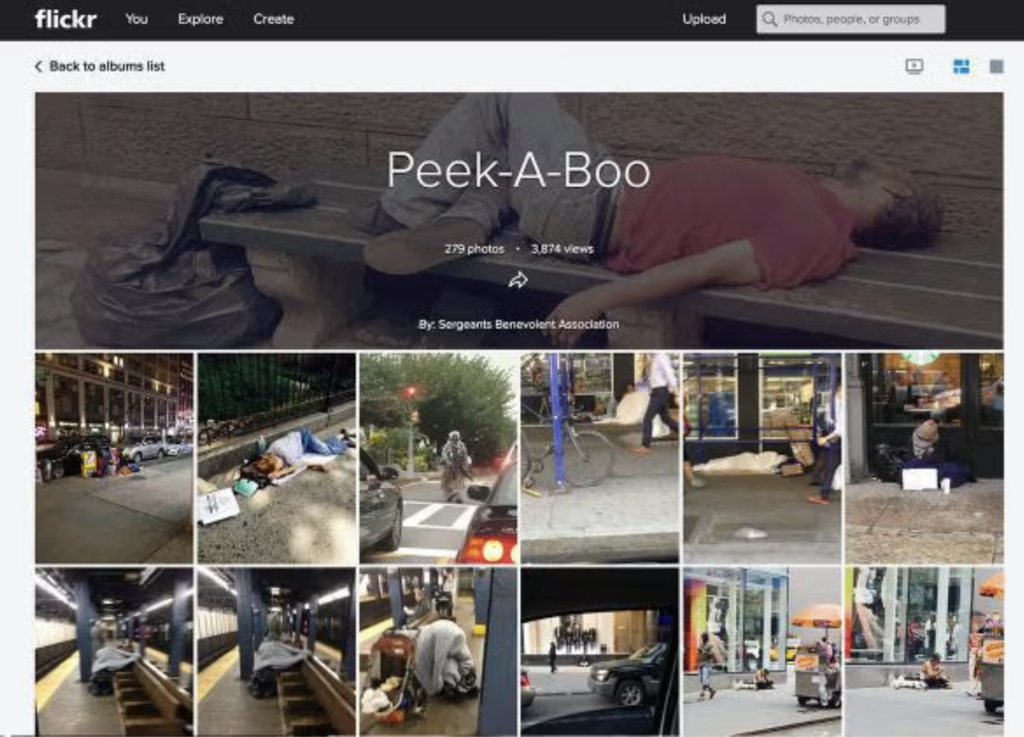
Fig.1 Screenshot taken by Ben Mathis-Lilley
This was enacted clearly as a way to paint homeless individuals as people who are “getting in the way of the movement of capital and the ‘business’ of the city” (Goldfischer). They wanted to push an agenda framing the unhoused as disturbing and repulsive, because of the way they “interfered” with the lives of other New Yorkers. This is why Midtown was so heavily targeted; the police wanted to force the narrative that all unhoused individuals are criminals, clogging up the infrastructure meant for “hard-working” individuals, and are “eyesores,” so they must be removed from the streets. The criminalization by the main authority figure for crime in NYC is a persuasive factor and leads to increased levels of fear in the unhoused population.
Persuasive Politics
Another major factor in how the unhoused is viewed in NYC are the people in political power. In recent years, Mayors like Rudolph Giuliani and Eric Adams are just a few examples of how those in power in shape their citizens’ thoughts.
Mayor Giuliani often blamed the unhoused for the city’s shortcomings, sparking tremendous negativity. Giuliani often said the unhoused were in such a condition because of their own choices, leading people to reject solutions that were housing-based (Goldfischer). In this villainization of the unhoused, labeling them as individuals who make the community “unsafe,” Giuliani changes how people see public space: no longer as places for everyone, but only for the housed. This leads people to avoid the unhoused in their communities, fundamentally changing the definition of a “public” space, as it is no longer a space for all members of the public. This change made public spaces unsafe for the unhoused and prevented many individuals from seeking the help they needed out of fear of being persecuted by others.
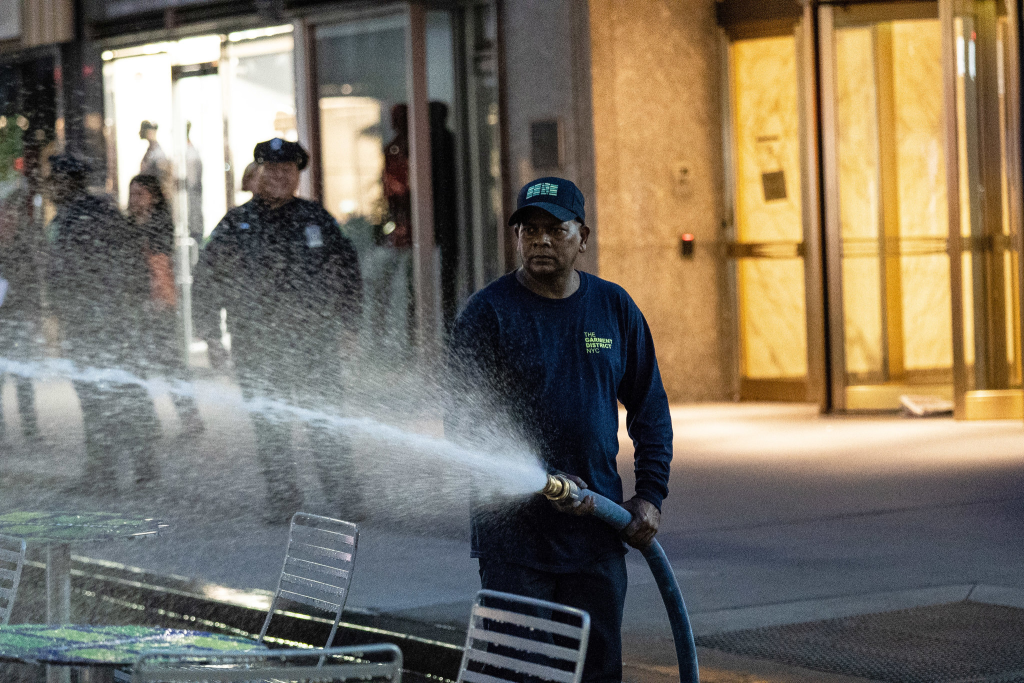
Man using water to forcibly remove unhoused individuals, Photo from NYT
Mayor Adams also negatively characterized the unhoused; portraying them as “dangerous, mentally unstable criminals,” who will always stay that way, so people should not even attempt to support them (Robbins). This, as previously mentioned, leads to increasing levels of fear and distrust of the homeless, but also a decrease in compassion and respect for people who are unhoused, as they are seen as less than those who are housed. Most importantly, this societal shift prevents interactions between the housed and the unhoused; interactions that could break the stigma. This occurs in two ways:
- Housed people are completely prevented from having interactions with unhoused people that are capable of proving these vilifications wrong
- Housed individuals perceive every interaction with the unhoused through a negatively biased lens, preventing them from seeing unhoused people as people, entirely.

Mary Adams holding an image unhoused individuals in meeting, Photo from New York Daily News
People’s Perspective
Despite the uber-negative odds produced by police and politicians, it seems that New Yorkers are growing in their levels of compassion and caring for the unhoused community. In Manhattan, 93% of residents believe that shelter is a right, with nearly six-in-ten New Yorkers supporting a homeless shelter opening in their neighborhood (Win). About 90% of New Yorkers support the addition of supportive services for unhoused populations, and 79% support new housing developments with apartments set aside for the unhoused (Win). New Yorkers, especially in Manhattan, clearly want to support the unhoused and are calling for systemic changes.
Percentage of New Yorkers who Agree Shelter is a Human Right (Win)

Over one-third of New Yorkers feel compassion for the unhoused because they themselves feel vulnerable; 36% are fearful that they could become homeless, while 30% know someone who is homeless (Arumi). This fear creates feelings of empathy, as they feel that becoming unhoused could happen at any moment. A majority of New Yorkers cited affordable housing as not only one of the main causes of homelessness, but also the largest issue generally facing NYC (Arumi).
The top three perceived leading causes of homelessness, as surmised by New Yorkers, were drug and alcohol abuse, the closing of mental health facilities, and eviction, with over 90% of New Yorkers quoting all three of these when asked about the leading causes (Arumi). These were shortly followed by high housing costs, poor education, and a lack of jobs (Arumi). Sixty-seven percent of New Yorkers agree that people become homeless because of circumstances, but 76% say that lack of motivation is responsible for some of the city’s homelessness, and 75% say that there are some unhoused individuals who are taking advantage of the city in order to benefit from the system (Arumi). It is slightly alarming that the number one reported cause of homelessness was drug and alcohol abuse, as this is simply not true This is just an example of one of the many ways the minds of New Yorkers are shaped to think this rhetoric is true.
Most New Yorkers do have a growing sense of compassion for the unhoused population and want to see changes. They are also still not completely trusting of the unhoused and are privy to the few who could be taking advantage of the City to “get better housing,” or “more benefits.”
Purpose and Future
Being in the largest city of the United States, New Yorkers are compassionate; although some may seem hardened from living in the city, we are all living together in one city, and we just want to do what is best for it and all of its residents. This is why it is so important to formulate your own thoughts and not be swayed by others’, even if they are from people holding political or social power, as many will try to do. The growing levels of compassion among residents are a step in the right direction, but there is still work to be done, both on homelessness, as an issue, and on how individuals are perceived. Politicians and police should be held accountable for their framing of these communities, who can often do little to fight back. It is the responsibility of the housed to hold the people in power to a higher standard. It is also important that the housed stay educated and fight for systemic changes that will help so many unhoused people, especially in Midtown Manhattan.

People across communities coming together in support of the unhoused, Photo from Prism Reports
Overview: The criminalization of the unhoused community often leads to a negative public perception, specifically where housed people report feeling “unsafe” when around unhoused individuals (Arumi). As these views on the unhoused can be shaped by external influences, such as leaders in New York City. These leaders tend to shape perceptions in ways that put the unhoused at a disadvantage and keep them in power. However, there are solutions that would provide the unhoused with a stable footing and an equal opportunity for growth.
Causes of Homelessness
- High cost of living actively increasing in New York City
- Financial instability and low income
- Domestic violence within families
- Family instability and personal struggles
- Substance abuse and addiction
- Mental health challenges such as depression
- Lack of access to stable long-term housing
Prevention Programs
The most effective way to prevent homelessness is by seeking help with the right resources to reduce the stress and situation of losing your home.
HomeBase
An New York City funded program that helps provide landlord-tenant mediation to maintain stable rent or continue to keep your housing.
What resources can HomeBase provide to me?
- Rent stabilization: Rent stabilization policies benefit many low-income tenants from being kicked out.
- Legal assistance: Helps provide landlord-tenant mediation to maintain stable rent or continues to keep your housing.
- Rental assistance: Provides financial support for rent or helps individuals secure housing.

What if I’m already experiencing homelessness?
The Department of Homeless Services of New York City upholds the “right to shelter”, ultimately providing aid to those who have housing insecurity.
Housing & Shelter Solutions
Long Term Solutions Short Term Solutions
– Section 8 Vouchers:
- This program gives financial aid depending on your income. Typically, the individual will pay 30% of the rent and the government will pay the rest of the balance to the landlord.
– CityHEPS:
- This program is a rental assistance program that can help out for around five years, they provide financial aid by paying part of a tenant’s rent if eligible.
– Emergency shelters (Department of Homeless Services):
- This program provides temporary placement and emergency shelters for individuals and families in immediate need. (Fig. 1)

Mental Health & Medical Support
Not having a stable place to live or not being able to provide for yourself accordingly, can lead individuals into a difficult mental state. Nevertheless, the government does notice this problem and does take action on it.
New York City Department of Social Services:
“The program will be staffed 24/7 by NYC Health + Hospitals professionals, including psychiatric providers, social workers, nurses, peer specialists, and licensed creative arts therapists. This multidisciplinary team will offer individualized, comprehensive care, including medication management, individual and group therapy, substance use disorder treatment and around-the-clock support” (NYC Department of Social Services)

Local Sources in Midtown Manhattan
Breaking Ground:
What they provide: An organization that provides affordable living spaces for people who need long-term housing, employment services and career plans tailored around individuals’ skills and income, and medical assistance for substance users and mental health needs.
Who they help: People in need of long-term housing, individuals dealing with mental health issues, substance use, or unemployment.
Why they matter in Midtown: They help reduce the number of homeless people in the most populated area of unstable housing by providing reliable sources and long-term support.
Fountain House:
What they provide: Services that are primarily focused on the mental health aspects the community goes through.
Who they help: People in the community struggling with mental health.
Why they matter in Midtown: They help reduce homelessness by addressing the mental health challenges that can affect housing stability.

Midtown Community Justice Center:
What they provide: A program that helps those who become homeless after being incarcerated.
Who they help: Individuals who are returning to the community after incarceration and are at risk of homelessness.
Why they matter in Midtown: They help reduce the number of homeless people in Midtown Manhattan by supporting people who may struggle to find stable housing after incarceration.
Call to Action
Places like Midtown Manhattan in New York City battle the serious issue of homelessness on a daily basis. However, there are many resources that are willing to help individuals from experiencing such hardships that provide housing, financial help, job counseling and so much more. While there might be challenges getting access to these organizations, we, as a community, can share awareness and continue to invest our time to this ongoing situation many people all over the world, not just in New York City, go through.

Overview: Homelessness in Midtown Manhattan continues to impact the lives of numerous individuals due to housing increasing, finanical hardship, addiction abuse, domestic violence, and mental health problems. New York City sees this and provides organizations to aid with prevention services, emergency shelters, affordable housing, and employment support to help get people back on their feet. By increasing awareness, the city can work towards reducing homelessness and creating a more supportive communtity.

