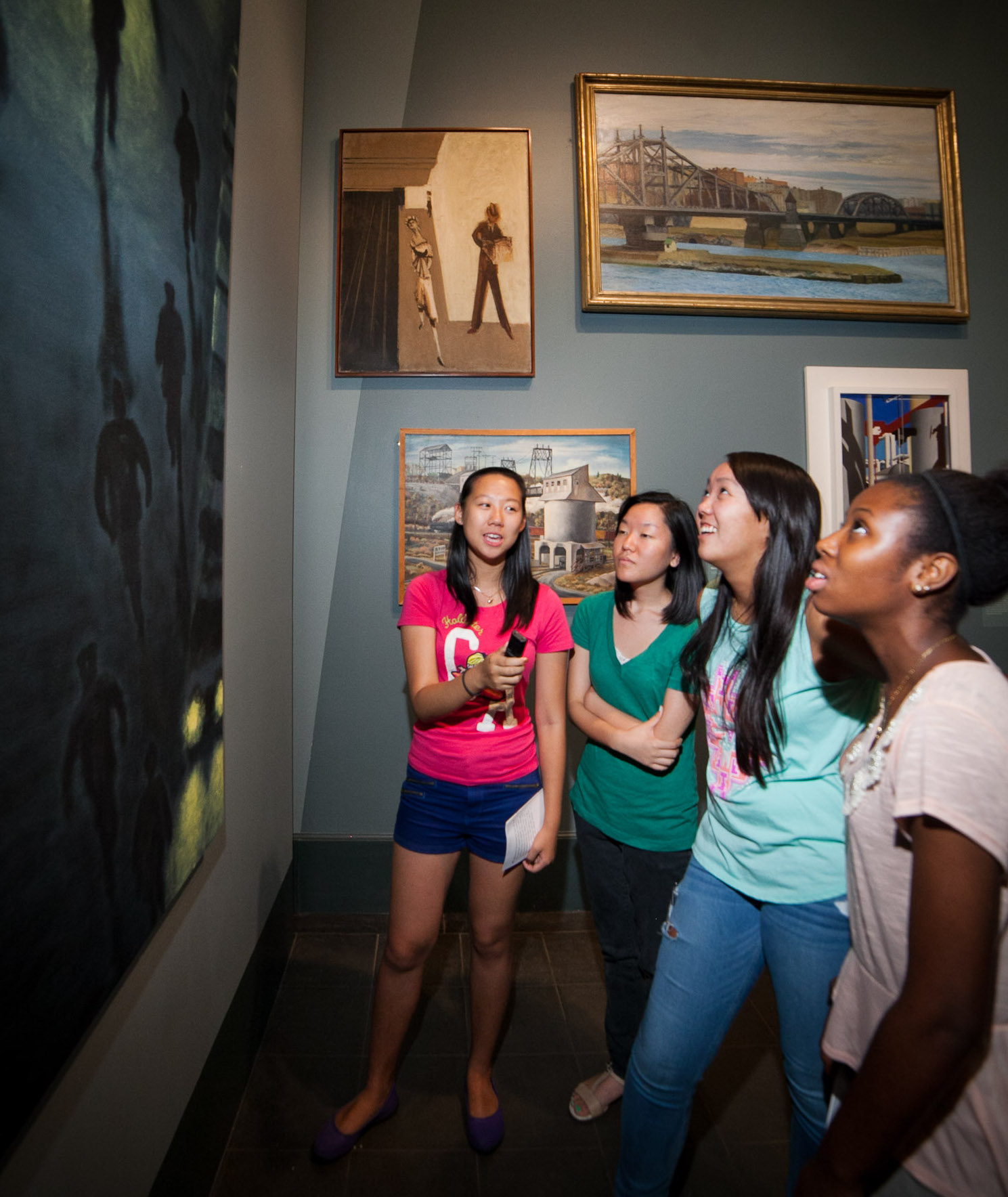
This page compiles your reflections on art, community, museums, and more, informed by your time at Night at the Museum.
To have your own reflection appear on this page, submit a reflection of your own.
Analog fan? You can also respond to these prompts on paper and peruse the responses of others. Come find our table on the third floor.
-
What would you add that is missing or what would you like to see in the American art exhibit in the future?
I want to add mythological and spiritual artwork. Much of the work in this museum is heavily based on realism, depicting events that can operate in the realm of reality. But I would like to see more abstract, symbolic work, angels, heaven, hell, gods, etc. I feel the museum would benefit more from a more fantastical take to symbolize more subtle themes and the creative imagination of our childhood.
City College
-
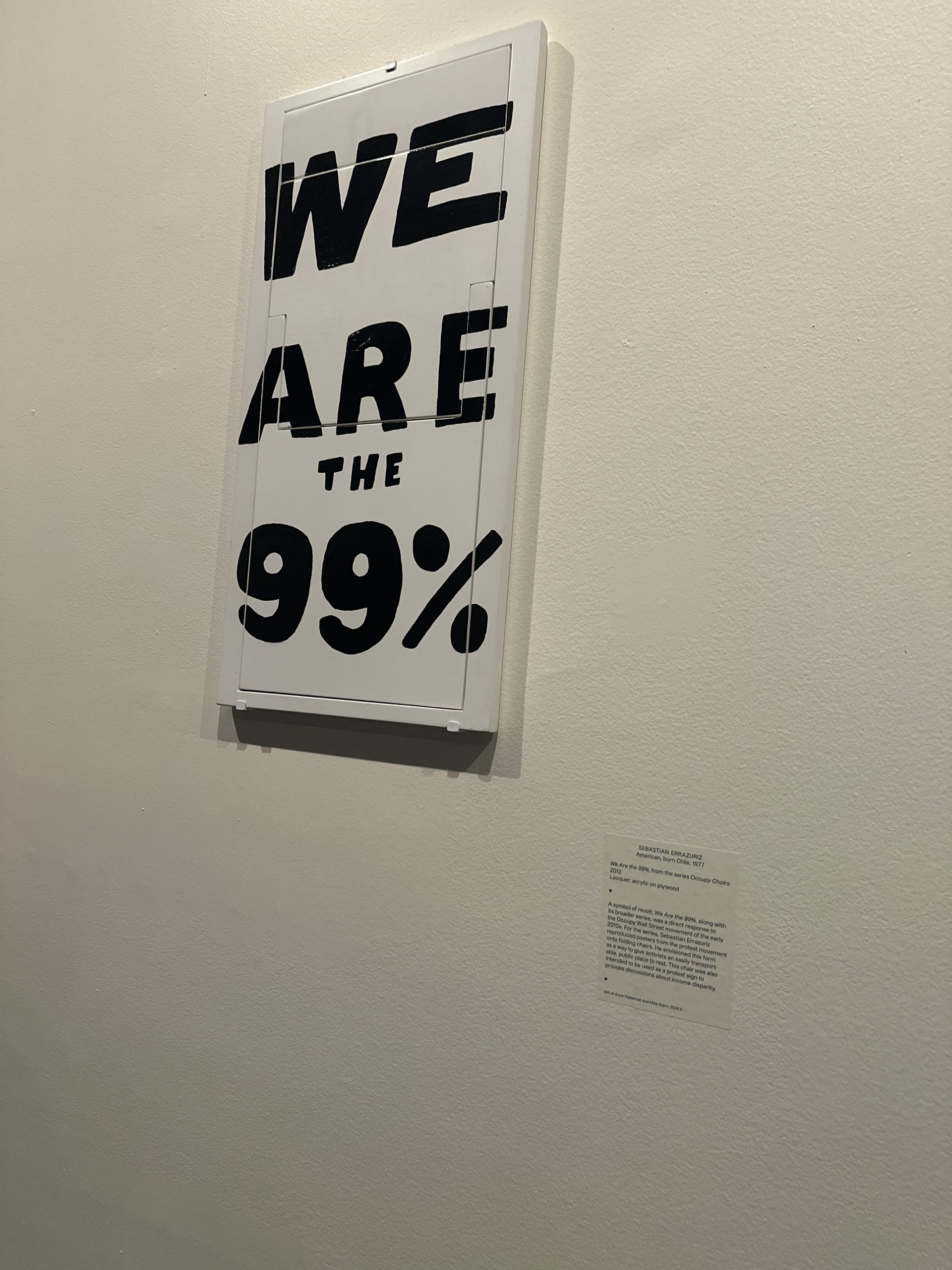
Where and how do you see yourself, your communities, and/or New Yorkers in this museum?
I see my community in “we are the 99%” by Sebastian Errazuriz. This is so as my community like many is a regular American class area. We are the vast majority of Americans in the nation and as Sebastian puts it, the 99%.
Julian Isler
Hunter College
-
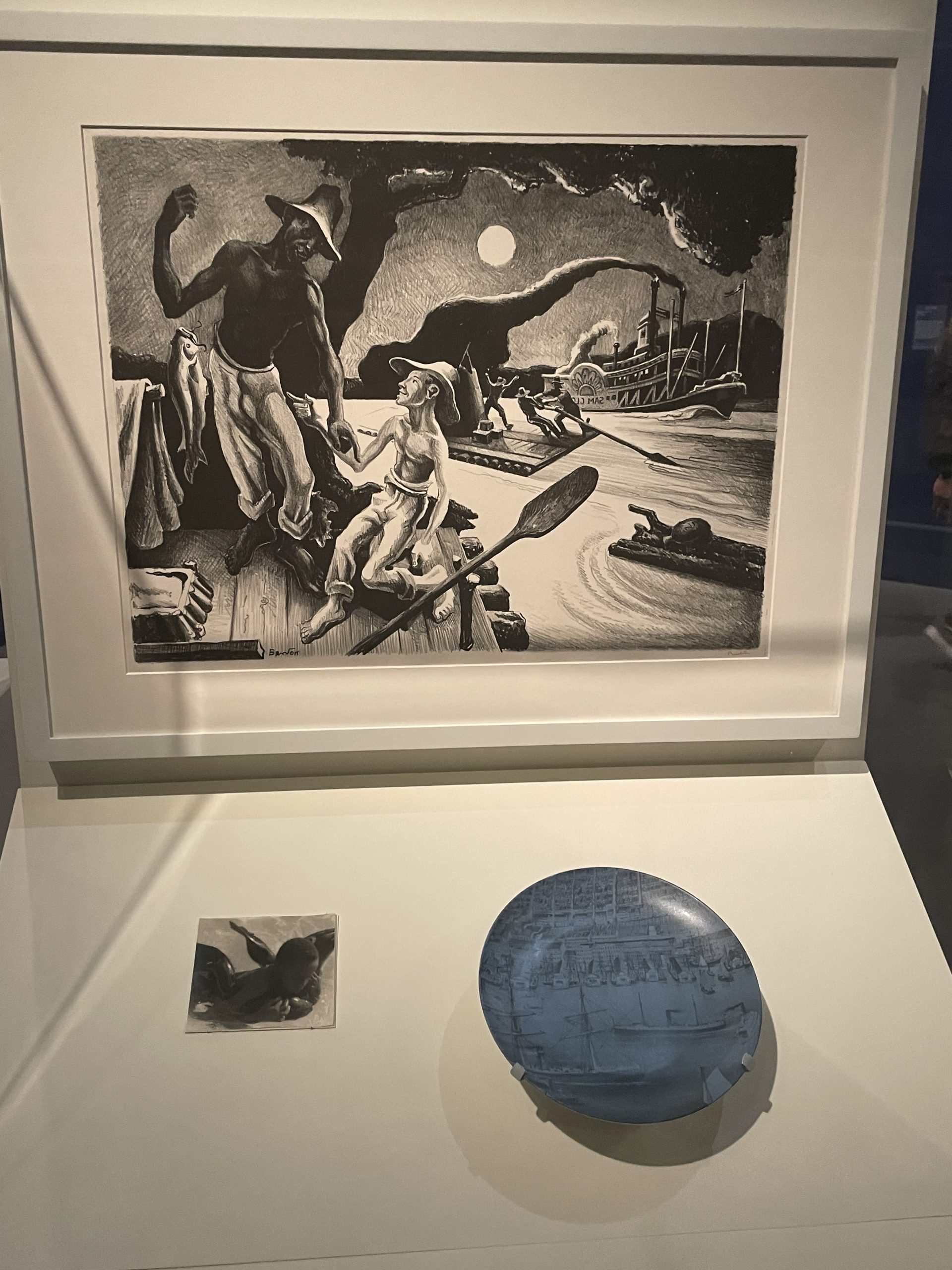
Choose a piece of art you saw that invoked strong feelings for you. Describe the response you had and why. (Don’t forget to include the title and artist.)
This painting was able to grasp my attention as soon as it came into my view. The depiction of the white Huckleberry Finn with his black friend named Jim reminded me of the story that ai read when I was younger. The central image of the Mississippi River and the men fighting with a ship in front of them conveys to me the violent history of the Industrial Revolution, specifically on black people. Black people were exploited for slave labor to make industries run, especially in the south with the cotton industry. The friendship between Finn and Jim could present an alternative to this hate.
John Franks
Queens College
-
How would you relate your current major or field of study to your experience at Night at the Museum? What connections can you see?
I usually don’t find much connection between my major and museums because psychology on the surface doesn’t seem to relate to art at all. However, after viewing all these pieces and really seeing them instead of just looking, I started to consider what the artist’s motive behind creating each piece was and what emotions each piece intended to invoke, which definitely relates to psychology. Art becomes a way for the artist to express themselves in ways they’re not even conscious of, again relating to the levels of consciousness I learned about during my psychology lecture.
Tracy Ho
Hunter College
-
Choose a piece of art you saw that invoked strong feelings for you. Describe the response you had and why. (Don’t forget to include the title and artist.)
One piece of art that invoked strong feelings for me was We Are the 99% by Sebastian Errazuriz. When I first saw it, I felt a mix of anger and admiration. The anger came from the reminder of how unfair wealth distribution can be, but I also admired how Errazuriz turned something as simple as a folding chair into a powerful symbol of protest. The chair’s design made me think about how everyday objects can carry deep political meaning. It made me reflect on the courage of people who stand up for justice and equality, even in small ways.
Francesco Borgognone
Hunter College
-
Where and how do you see yourself, your communities, and/or New Yorkers in this museum?
I see myself in this museum when the paintings are centered around New Yorkers. In some paintings, they depict regular citizens or sports teams like the Nets and the Knicks. The familiarity makes me feel represented. In addition, seeings figures like Notorious BIG and Coney Island reminds me of New York’s prominent places and people that have made a mark on modern culture.
Baruch College
-
What would you add that is missing or what would you like to see in the American art exhibit in the future?
I want to add mythological and spiritual artwork. Much of the work in this museum is heavily based on realism, depicting events that can operate in the realm of reality. But I would like to see more abstract, symbolic work, angels, heaven, hell, gods, etc. I feel the museum would benefit more from a more fantastical take to symbolize more subtle themes and the creative imagination of our childhood.
Baruch College
-
Compare how this experience reinforced or challenged your previous ideas about museums. Would you encourage other Macaulay students to visit museums?
I used to believe that the existence of museums was superficial and could not understand the intellectual depth required to properly understand and enjoy these facilities. Despite not getting an epiphany visiting Brooklyn museum, my first museum visit in 4 years, I now more clearly see the merits of the museum. Each artwork hides a beautiful, rich story behind its vibrant or gothic exterior. Each story is completely different from its neighbor and even the artworks that display the same meaning have their individual nuances. I would highly recommend other Macaulay students to visit museums as the artistic beauty and complexity will enrich their appreciation and understanding of both complex intellectual concepts and themes of the world around us.
Benjamin Brinzensky
Brooklyn College
-
What would you add that is missing or what would you like to see in the American art exhibit in the future?
I feel what’s missing is more of the street life of Brooklyn. I feel as though it doesn’t have enough modern art.
Ingrid Morocho
Hunter College
-
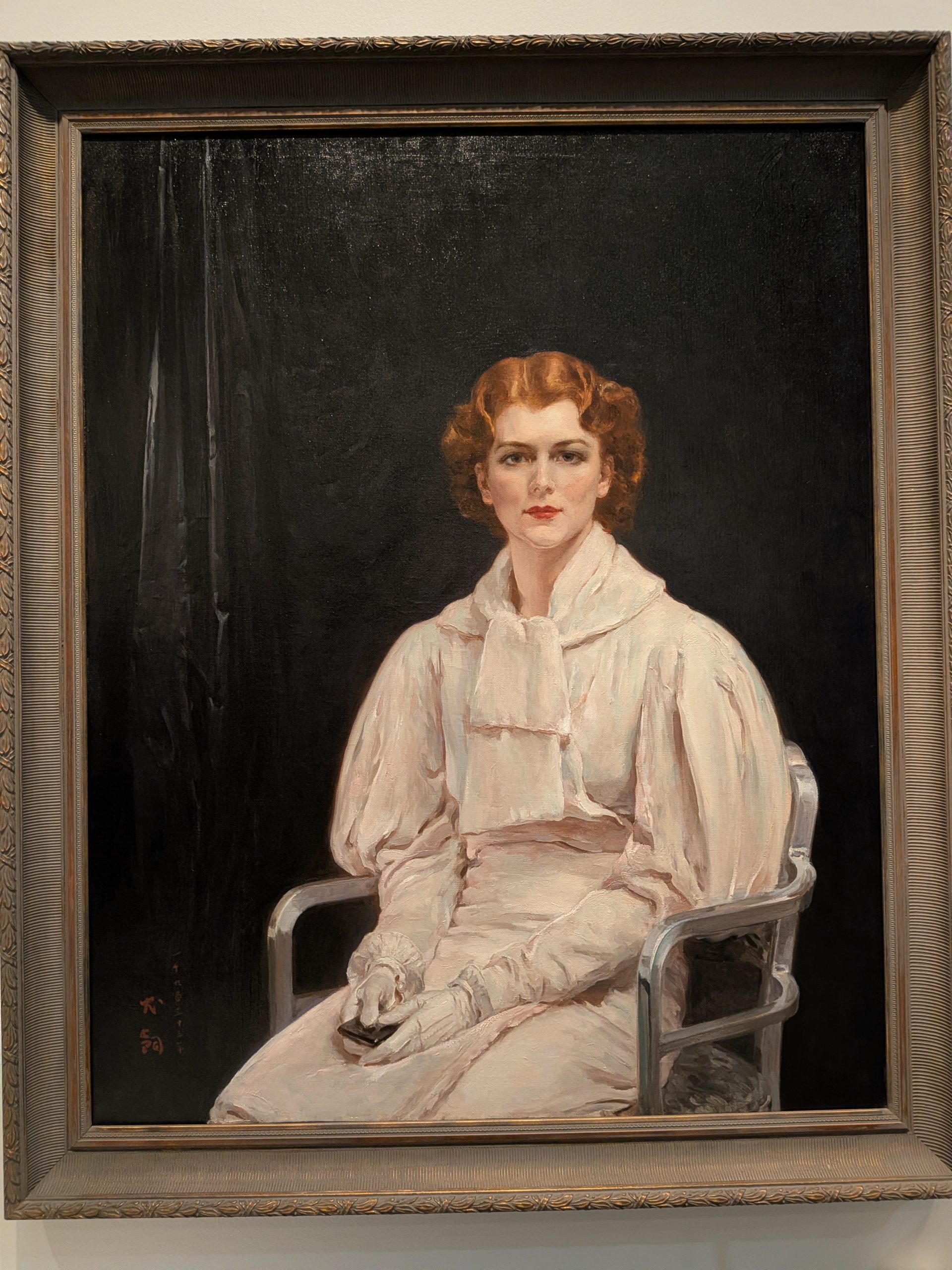
Choose a piece of art you saw that invoked strong feelings for you. Describe the response you had and why. (Don’t forget to include the title and artist.)
This art piece made me feel very seen cosmetically. The white clothing and gloves holding something black has such an incredible contrast, and then the colourful hair adds even more of an engaging aura. The facial expression of the woman shows sternness and pride, which is what I strive to get out of Macaulay.
Mariam Faisal
John Jay College of Criminal Justice

