What happens when we see animals as something different from “stupid humans”? What can we learn from studying the ways that animals communicate?
How to Use this Video
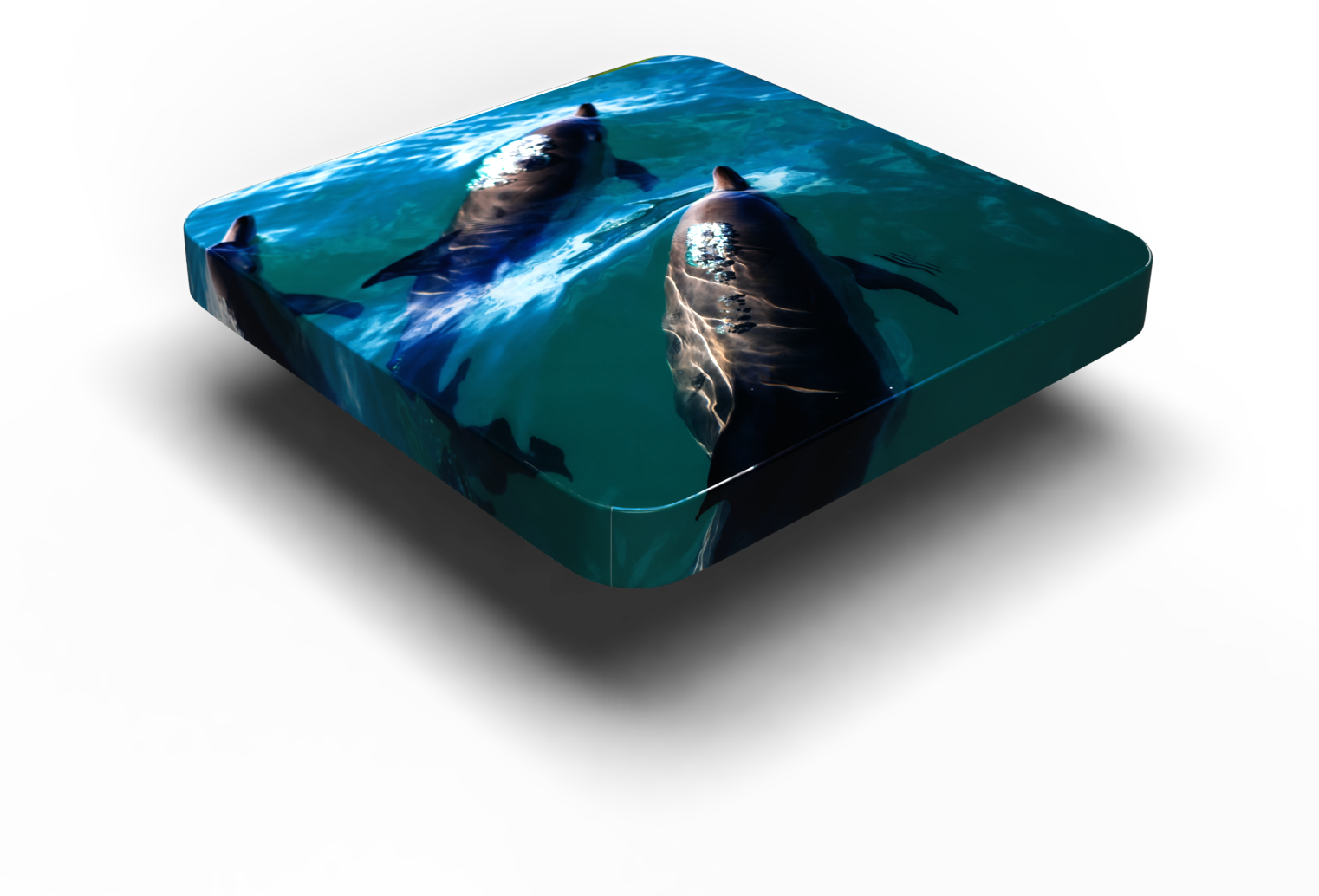
Humans are not the only organisms that can communicate complex information. In this video, we’ll explore communication in ants, dolphins, and zebra finches. We’ll also discuss the ways in which we can learn more about how these organisms interact with their worlds.
Find the video below, as well as some of the important science senses it features relating to using models, defining variables, and applying scientific knowledge to ethical questions.
Have thoughts about the video? What resources or activities have you used to teach this topic in your class? We’d love to know – share your voice by sending us a message below 🙂
Using multiple lines of evidence to support conclusions
Applying scientific knowledge to ethical questions
Activities & Lesson Plans
Behavioral observations – assign students an animal to observe for a set period of time (for example, note behaviors every 20 seconds for 10 minutes). This can also be done at a zoo. Have the students try to classify these behaviors into types (mating, feeding, vocalizing, etc.). Create a visualization of results.
Animal models – have a discussion about animal models. Why do scientists use animal models? What assumptions do they have to make when applying the knowledge they gain to humans? Can we do the same types of experiments with humans? Why / why not?
Sociality and communication – have a discussion about how communication allows for complex social behavior. What is a complex social behavior? What organisms have it? Why might it be evolutionarily advantageous?
Readings
OpenStax. 2016. Chapter 35: The Nervous System from OpenStax, Biology. OpenStax. 21 October 2016. (Access the OER here).
Contact Us
Have an idea for how to use this video in class? Want to give us feedback? Let us know!