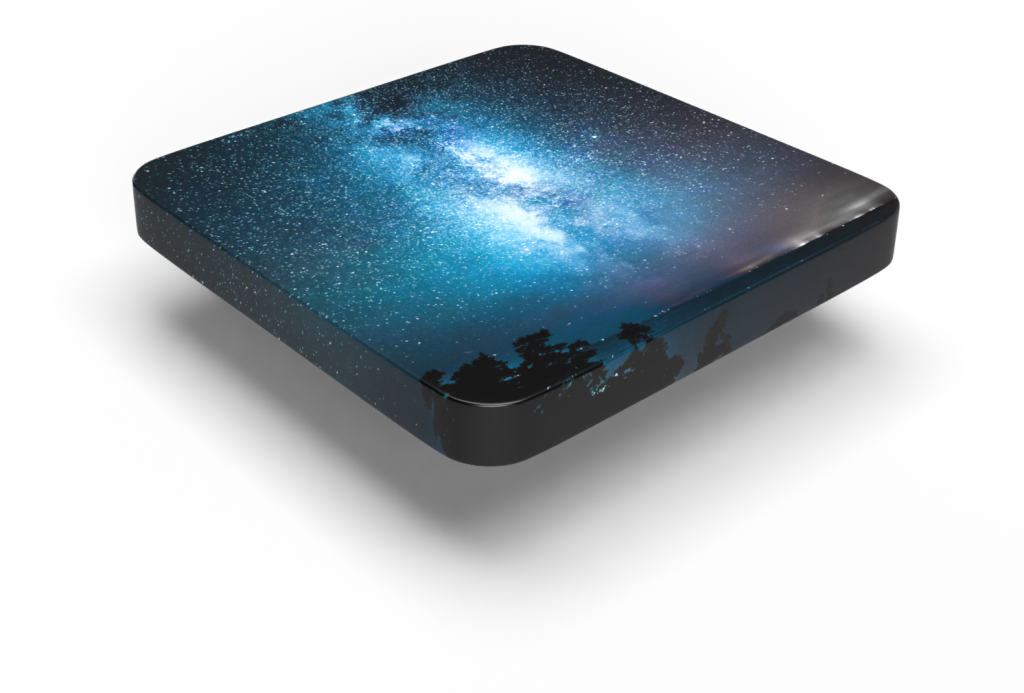
For millennia, human beings have wondered about the lights in the night-time sky. Astronomy lets us learn more about them – even about the ones that we can’t see with our eyes.
How to Use this Video
In this video, we talk to astronomers and astrophysicists that use data collected by telescopes to learn about our universe. We discuss how different types of light can tell us different things and about how we search for exoplanets.
Find the video below, as well as some of the important science senses it features relating to experimental design, using proxies, and drawing evidence-based conclusions.
Have thoughts about the video? What resources or activities have you used to teach this topic in your class? We’d love to know – share your voice by sending us a message below 🙂
Using multiple lines of evidence to support conclusions
Repeating experiments
Activities & Lesson Plans
Using spectra – one way astronomers get important information about the chemical composition of distant objects is through their emissions spectra. Activities can be built around observing different spectra (if you have access to optical spectroscopes) or printouts of spectra from objects in our universe. Students can determine what elements are being detected and what conclusions can be drawn from this information.
Detecting exoplanets – NASA is a great resource for activity ideas related to detecting exoplanets. They have activities appropriate for every student level here.
Proxies – since we can’t get to the places that astronomers want to investigate, we have to learn as much as we can from the light that reaches earth. Have a discussion in class about what proxies are, what assumptions are behind them, and how we know they are reliable.