Selective Sympathy

SHANNON AHR, SPRING 2026

Media Framing

The ways that linguistic differences and implicit biases shape public opinion and perception.

About the Project

Media, especially news media, has the power to shape the way that the public thinks about, interprets, and interacts with the world. As such, the framing and language of news pieces has a direct influence on public opinion and perception of events. This influence comes with the potential to be exacerbated by pre-existing biases that the media may serve to reaffirm.
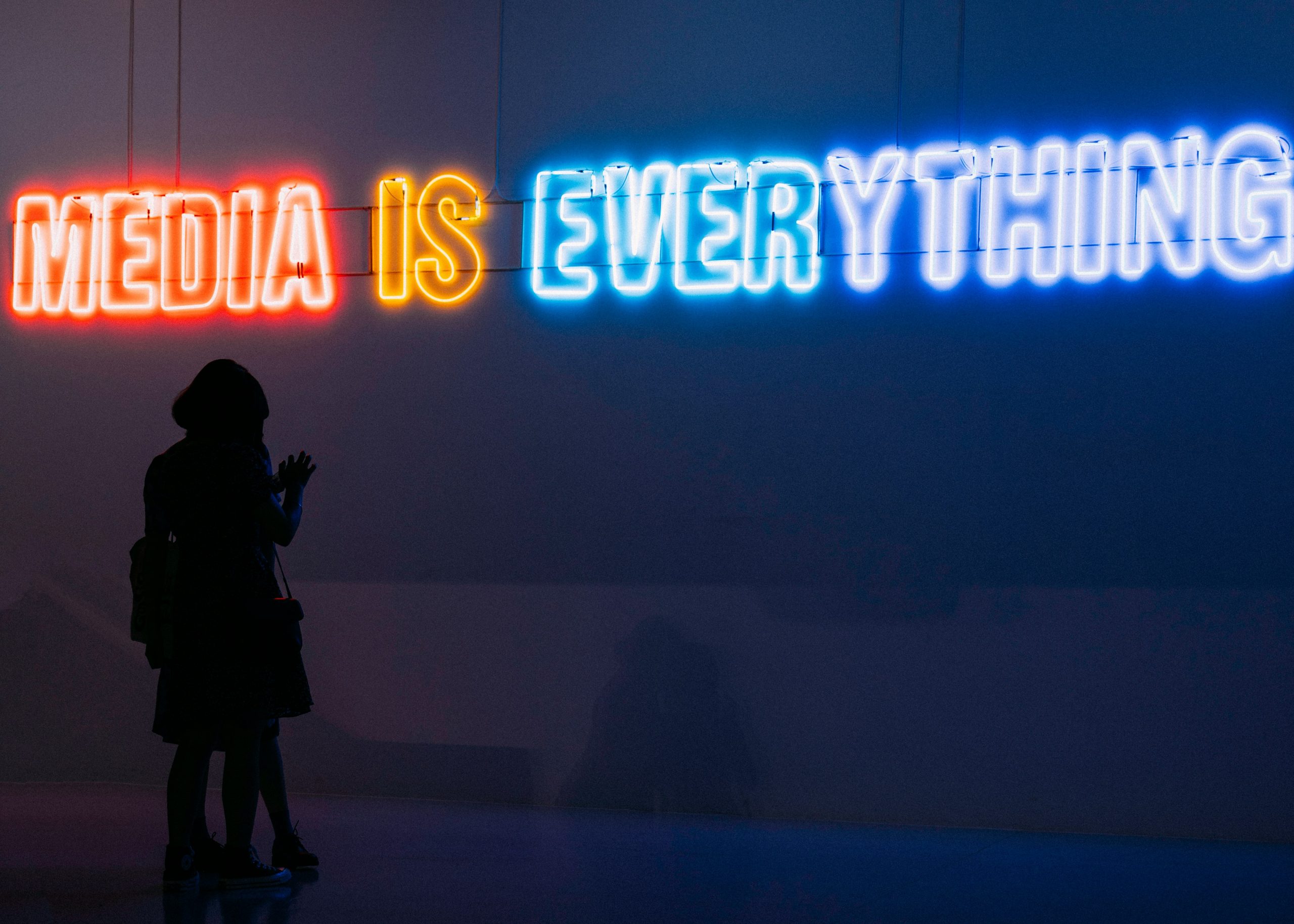
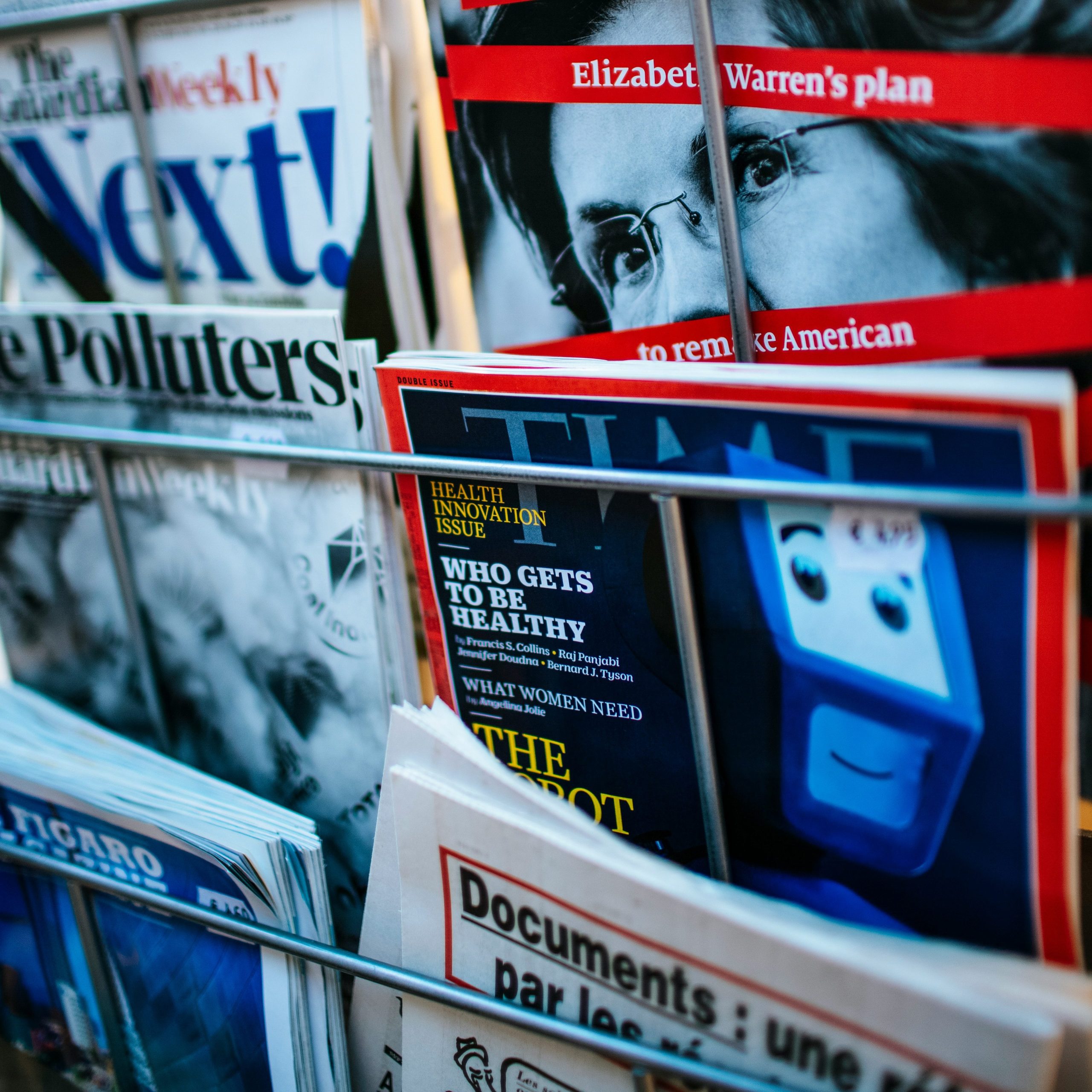
Photo by Anledry Cobos.
Photograph of bound stacks of newspapers at a newsstand, the headline slightly visible.
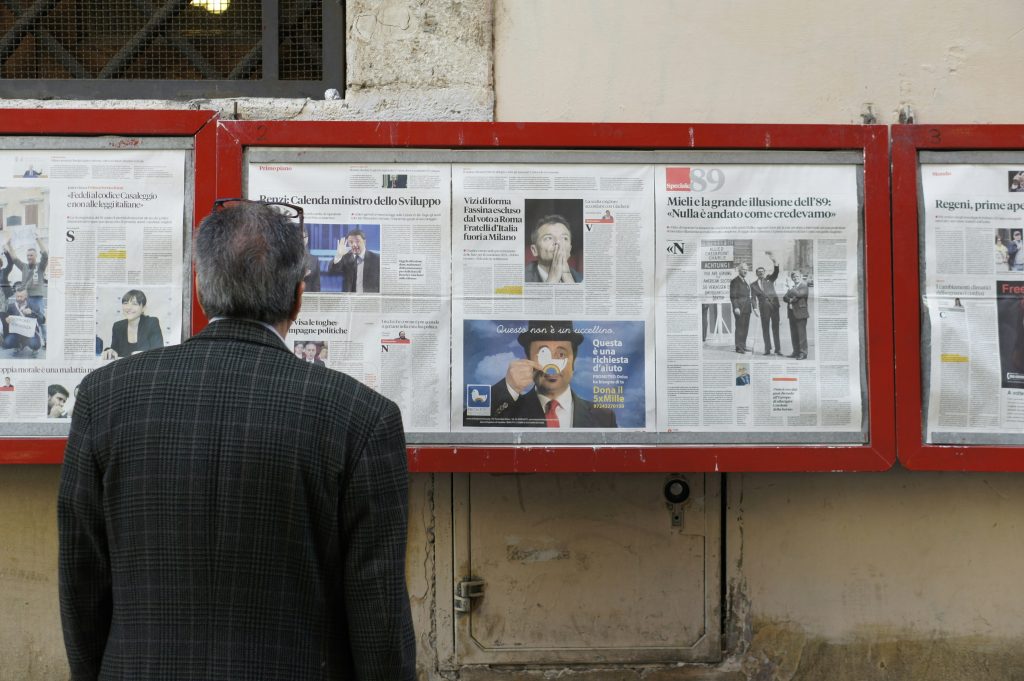
Photo by Thomas Charters.

An Example

Below are two articles, both of which are written about the same scenario. Despite this, they are written in the tone of authors that hold two different views. The third article is a comparison that highlights where the differences come about, and key words that shape why you may interpret a piece of media differently based on the language used within it.

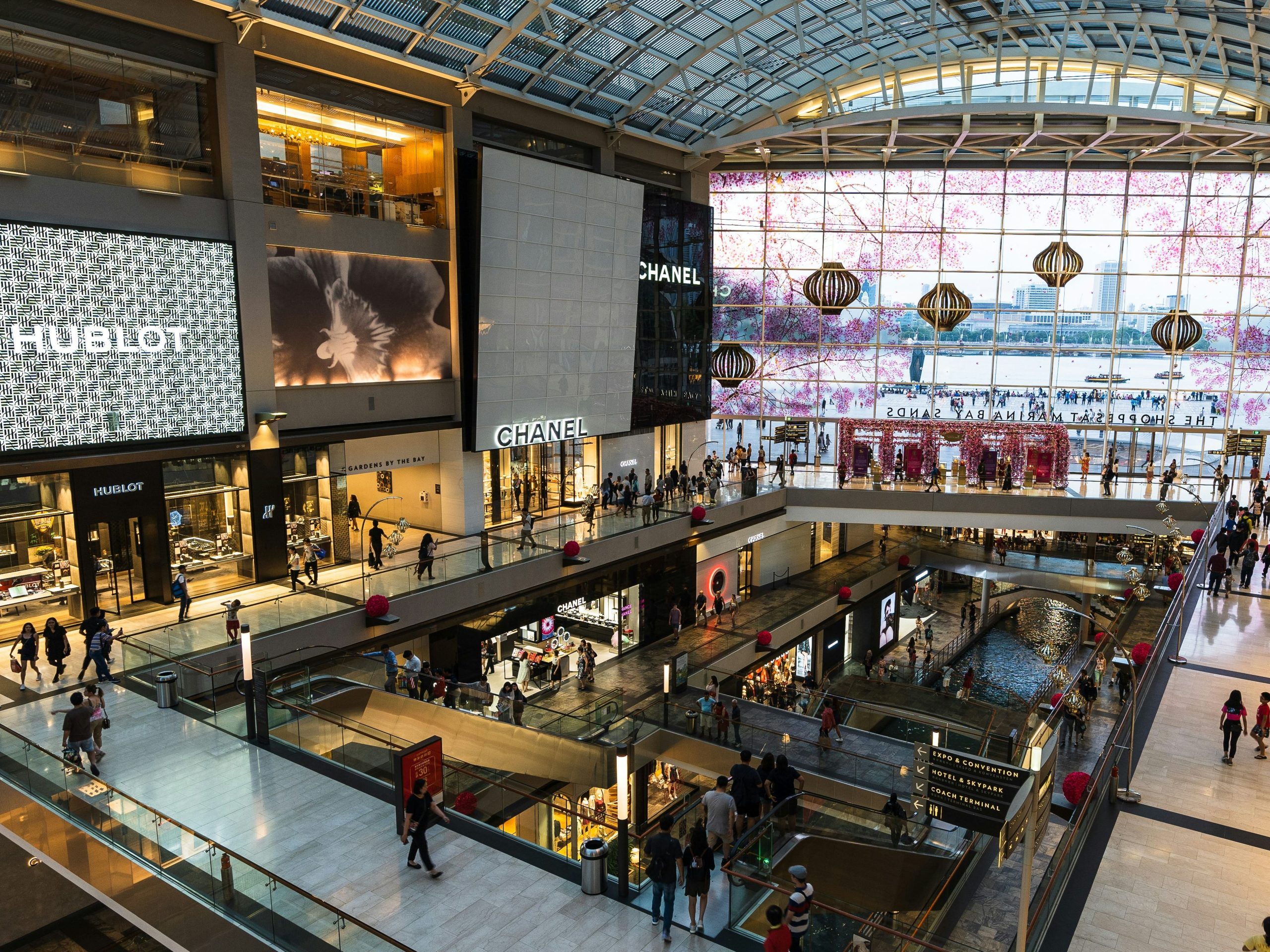
Interior of a modern shopping mall.

GNÓ Group Approval Set to Add $40M into Local Economy

City council greenlights retail development, bringing 180 jobs to Baile.

Residents Left Unheard as Council Hands GNÓ Our Green Space

Outcry grows as outside developers plan to demolish last open land in east Baile.

How the Same Story Becomes Two Different Realities

A comparative analysis of these two articles, and the realities they create.


The Thesis that Built this Blog

The current climate.

In early 2025, I studied abroad in Ireland for my spring semester of college. While I was there, I was able to get a certificate in Irish Cultural Heritage, and one of the most valuable things of the experience was being so immersed in Irish culture. Seeing what they valued, how they acted, and how they were so aware of their history and how they are still feeling it – all of this was such a rich experience I wouldn’t trade for anything.

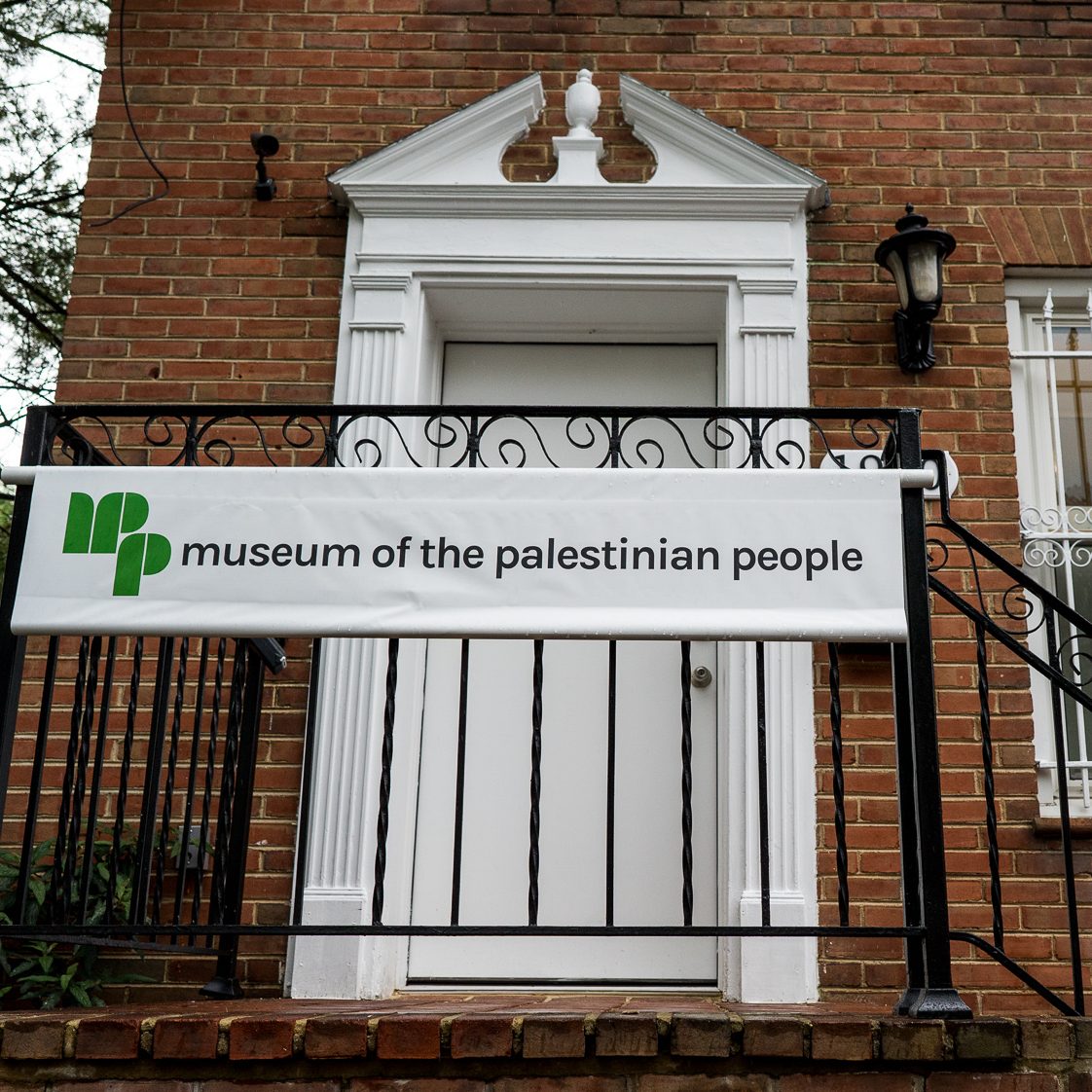
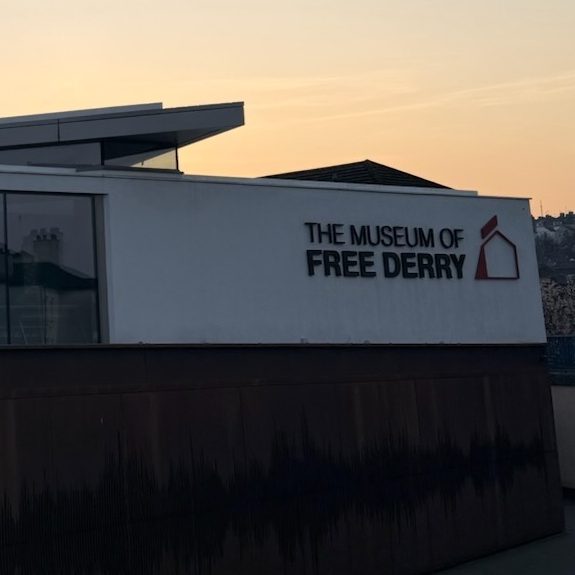
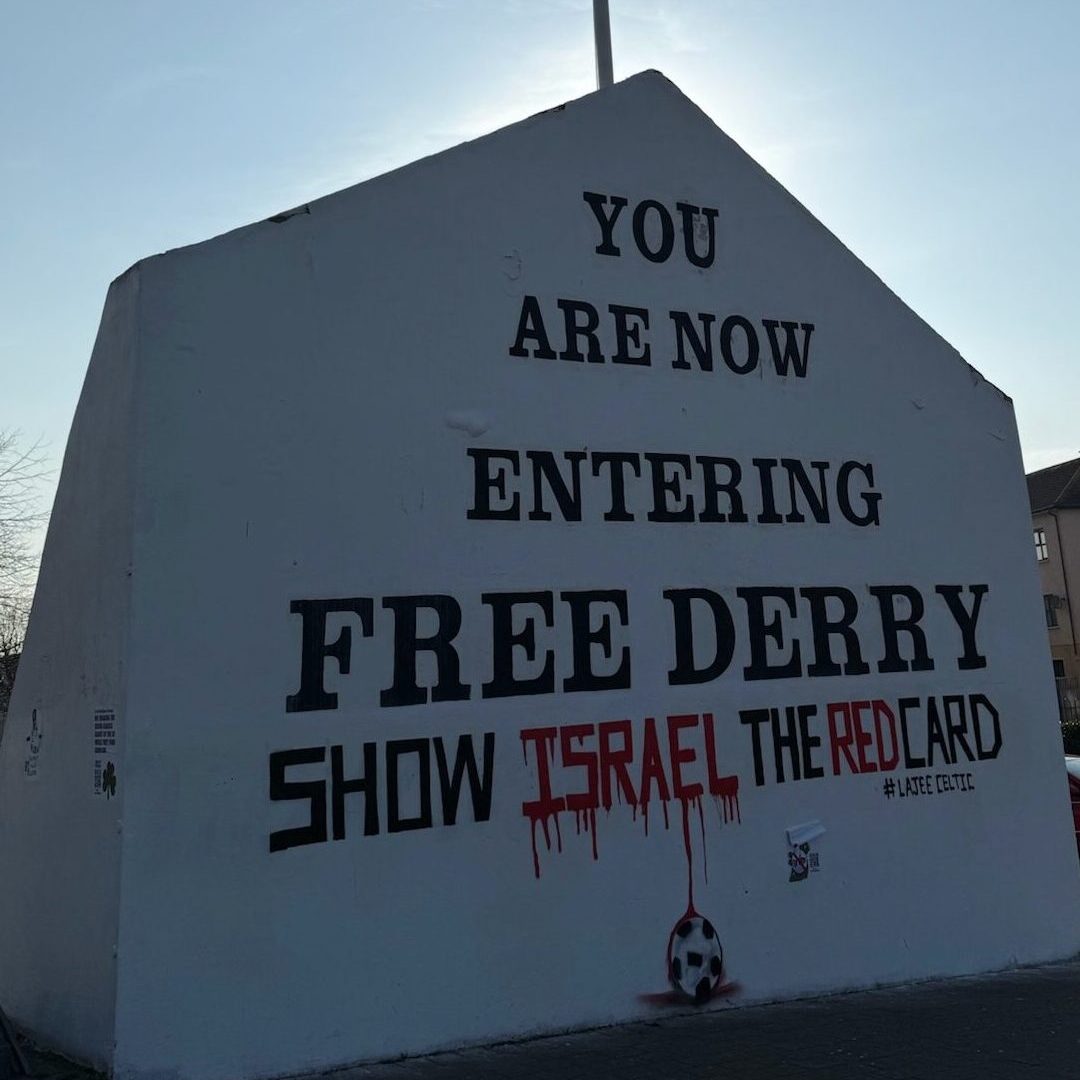
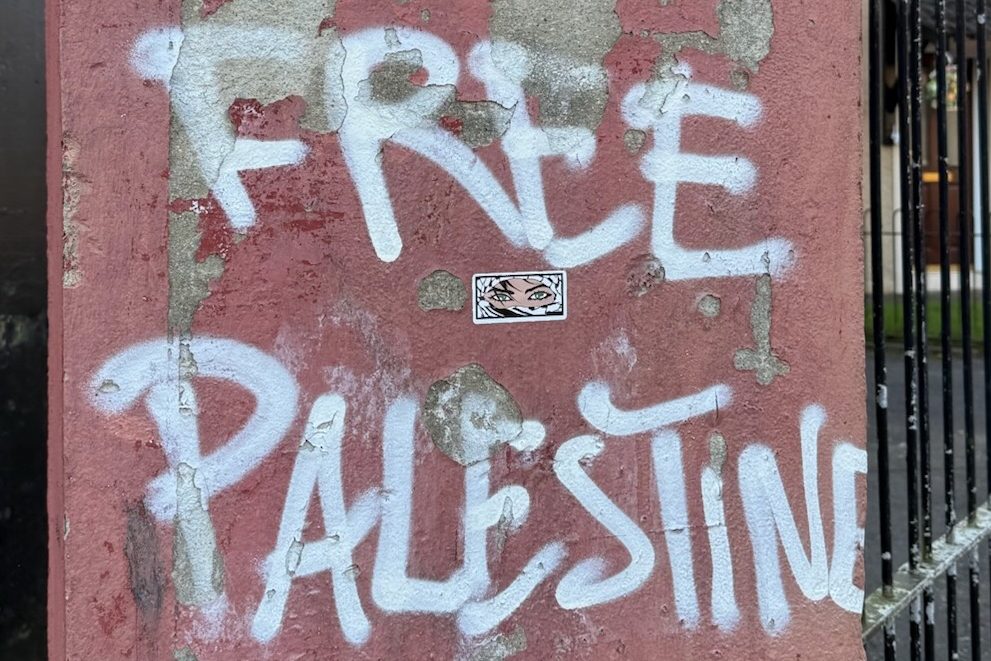
One of the greatest experiences and expressions of Irish values, was the deep connection to Palestinian liberation and support for a Free Palestine. Throughout Dublin, the capital city and where I was spending my time, there were so many Palestinian flags waving, and frequent marches and protests through the street. This was a theme I saw continued into Galway on the complete other coast, and saw most prominently when my best friend and I made a trip to Derry in Northern Ireland.

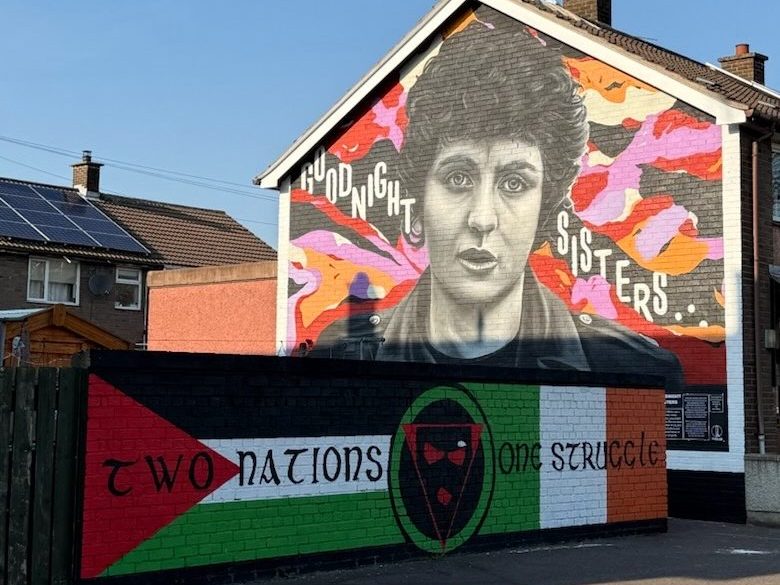
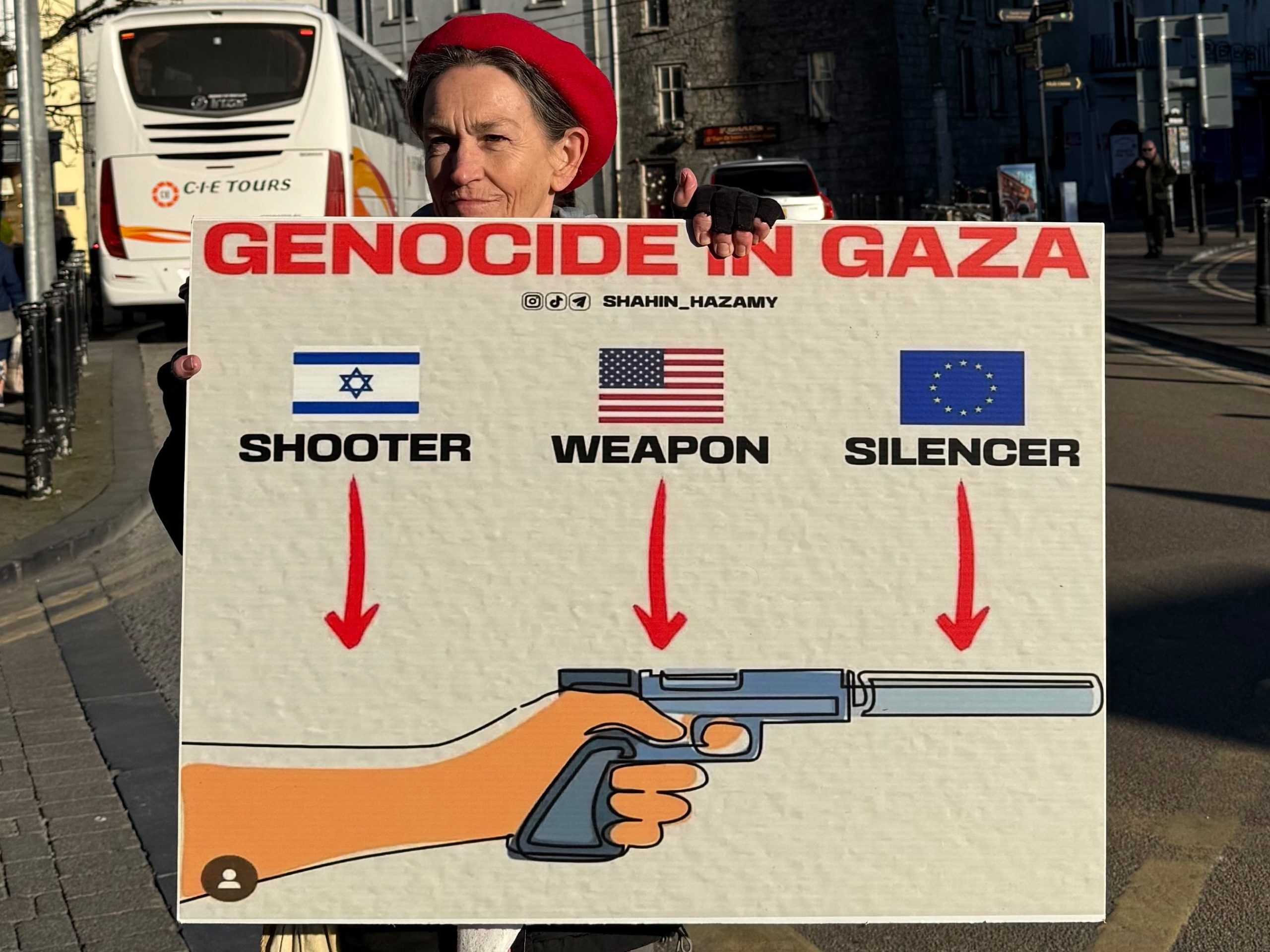
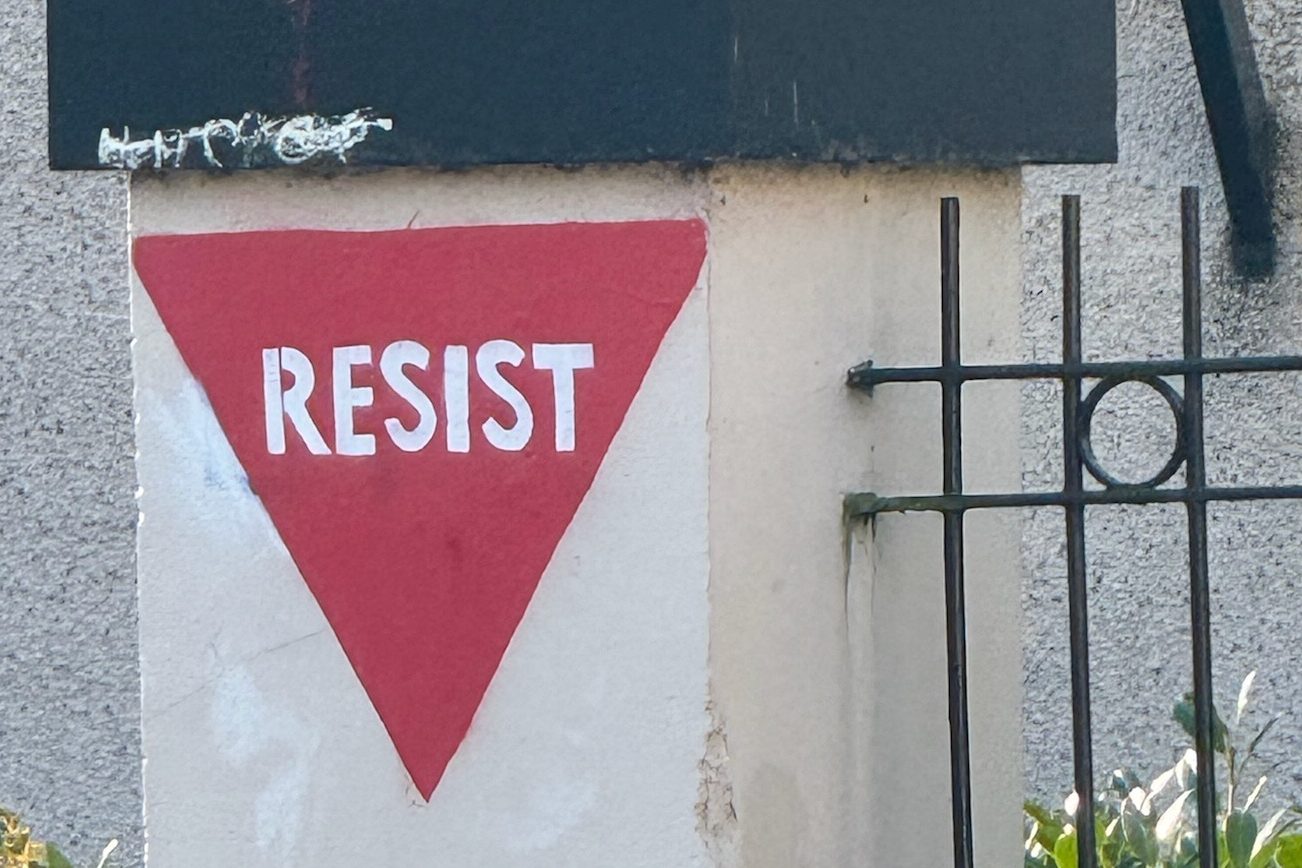
There is such a recognition of and empathy for Palestinian suffering within Ireland, and it was felt everywhere that I went. The street murals, the Palestinian flags in shop windows, the organized marches, the protest signs in city centres, they were woven into everyday Irish life. What struck me most was how the language of resistance was treated with legitimacy.

In Derry and Dublin alike, Palestinian struggle was spoken about as a political movement. The murals depicting solidarity between the Irish and Palestinian flags, the calls for boycotts and apartheid accountability, the posters naming genocide were not fringe expressions but visible, public commitments. In Ireland, Palestinian political aspirations were heard.