Superfine: Tailoring Black Style

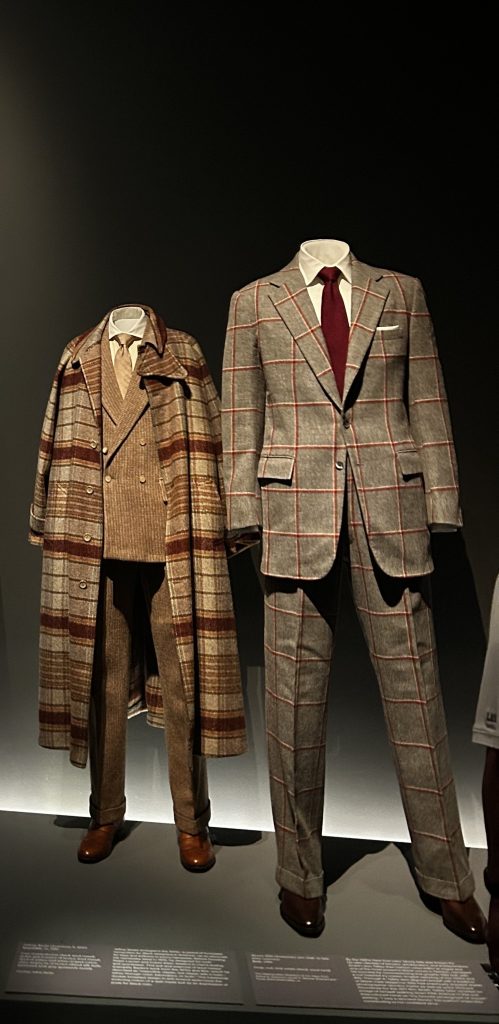
These pieces caught my attention because they look professional but fashionable. They also look like the fancy suits my little brother would wear for his birthday or on special occasions. The significance behind these tailored suits is to command respect through one’s attire. Black politicians and cultural leaders have long recognized the power of dress and how it impacts how a person views and respects them. As Frederick Douglass said, colored Americans can uphold their dignity and respect through their attire (Superfine: Tailoring Black Style—the Metropolitan Museum of Art, 2015)

Reference:

Superfine: Tailoring Black Style – The Metropolitan Museum of Art. (2015). Metmuseum.org. https://www.metmuseum.org/exhibitions/superfine-tailoring-black-style/inside-the-exhibition

The Afro-Futurist Room: Out / Side of Time

The living room and television give a more futuristic feel to the period room. The television of the mid-twentieth century was a narrative device used to introduce many significant events into the home. On the TV, it plays a new short film, made by a British filmmaker, Jenn Nkiru, who is of Nigerian descent. The significance of her film was to commemorate the visionary concept of the cultural and historical experiences shared within communities of African descent. She also explored the term “cosmic archaeology,” which she defines as the connection between history through visual memory (The Metropolitan Museum of Art, n.d.).

Reference:
The Metropolitan Museum of Art. (n.d.). The Metropolitan Museum of Art. https://www.metmuseum.org/exhibitions/afrofuturist-period-room/visiting-guide

Superfine: Tailoring Black Style Object

This look caught my attention because it combines fashion with storytelling. The coat seems to display historical images or text, turning clothing into a tribute to Black history and creativity. The luggage with “ALT” honors André Leon Talley, a Black fashion icon, while the Telfar bags connect the past to today’s Black-owned brands. I found it powerful how something like a coat or suitcase can speak about identity, culture, and pride in such a stylish and meaningful way.

Afro-futurist Room Object: Commeraw, stonewar jar

This jar was made by Thomas W. Commeraw, a free African American potter in Manhattan’s Lower East Side during the late 1700s and early 1800s. He had a kiln in Corlears Hook, near the East River between where the Manhattan and Williamsburg Bridges are today. Like most pottery of that time, his pieces were useful for everyday life and decorated with carved designs painted with a blue glaze. The leaf-like design on both sides of this jar was common in his work and set his pottery apart from others in New York City. Commeraw created the largest collection of work by a free Black potter before the Civil War. Commeraw’s jar connects to Afro-Futurism because it shows that Black people in the past were artists and creators. It helps imagine a history where they had power and freedom, which is what Afro-Futurism is all about.

Superfine Exhibit Object

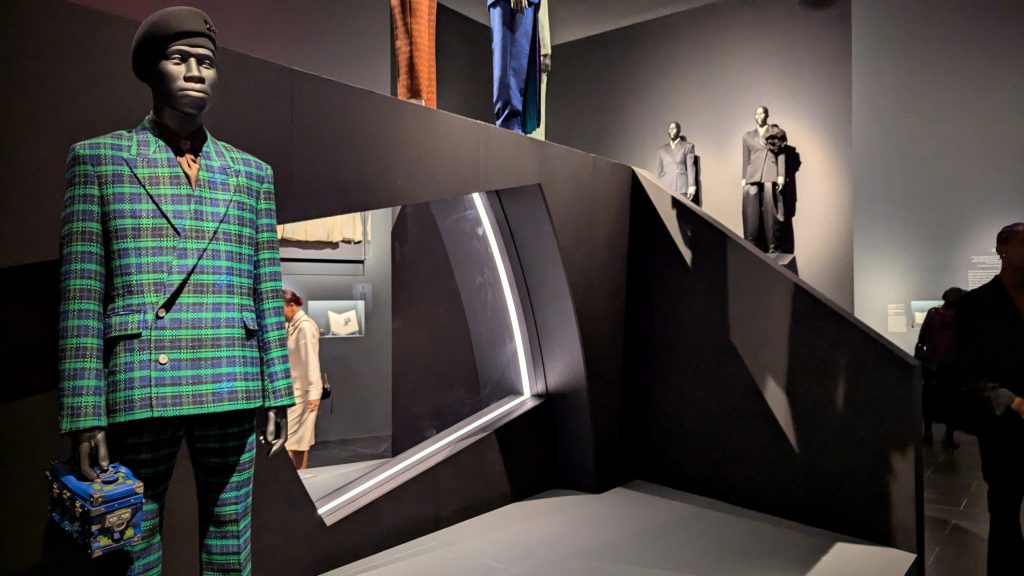
The green plaid tailored suit from Superfine: Tailoring Black Style in the MET caught my eye because of its bold pattern and sharp cut. It showed me how tailoring can be both stylish and a statement of confidence and identity.

Afro-Futurist Room Object

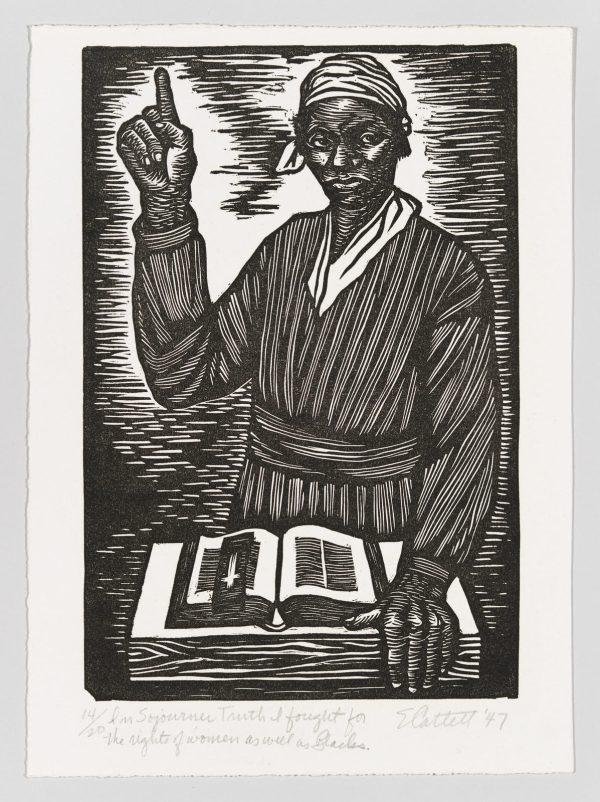
Elizabeth Catlett, In Sojourner Truth I Fought for the Rights of Women as well as Negroes, from The Negro Woman series. Linocut print. This work celebrates the legacy of abolitionist and women’s rights activist Sojourner Truth, emphasizing the central role of Black women in the fight for equality.

Proudly powered by WordPress | Theme: Baskerville 2 by Anders Noren.

Up ↑