

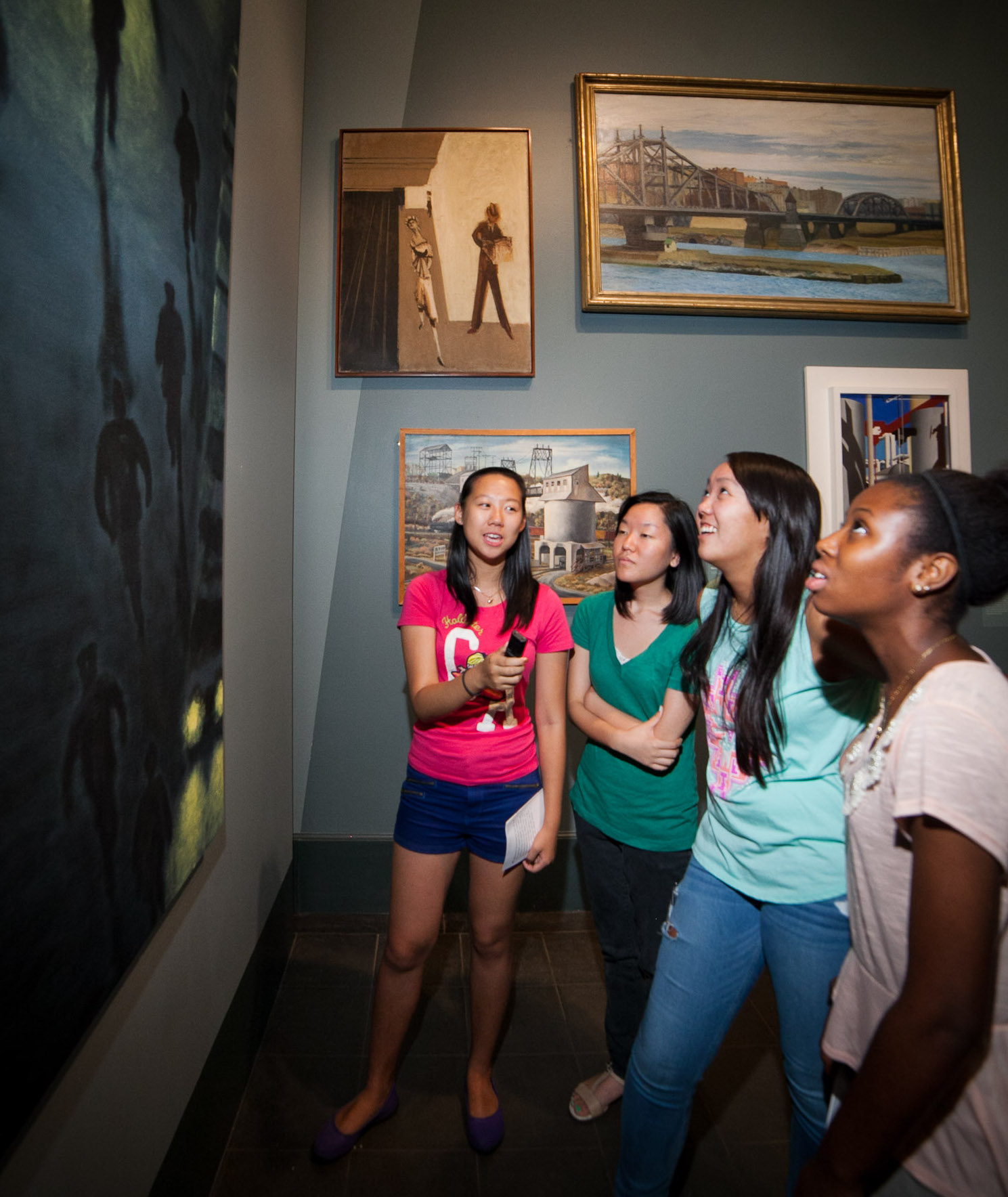
This page compiles your reflections on art, community, museums, and more, informed by your time at Night at the Museum.
To have your own reflection appear on this page, submit a reflection of your own.
Analog fan? You can also respond to these prompts on paper and peruse the responses of others. Come find our table on the third floor.
-
Compare how this experience reinforced or challenged your previous ideas about museums. Would you encourage other Macaulay students to visit museums?
After visiting the Brooklyn Museum with Macaulay, I’m realizing that museums serve the very important purpose of bringing people together to understand art. In such a diverse city like New York, there are so many different people constantly interacting with each other, just like within the Macaulay community. During my experience at the Brooklyn museum, I was able to see this diverse blend of struggles and cultural values in person through art, and what made it better was my real world friends of so many backgrounds to experience them with me as well. Whether it was through composition or purpose, every piece was unique, and the differences within the people around me helped me understand the importance of diversity and different values in art. For these reasons, I think it is imperative that Macaulay students visit more museums and keep an open mind, taking into account both their own and other communities.
Andy Shyklo
Baruch College
-
Choose a piece of art you saw that invoked strong feelings for you. Describe the response you had and why. (Don’t forget to include the title and artist.)
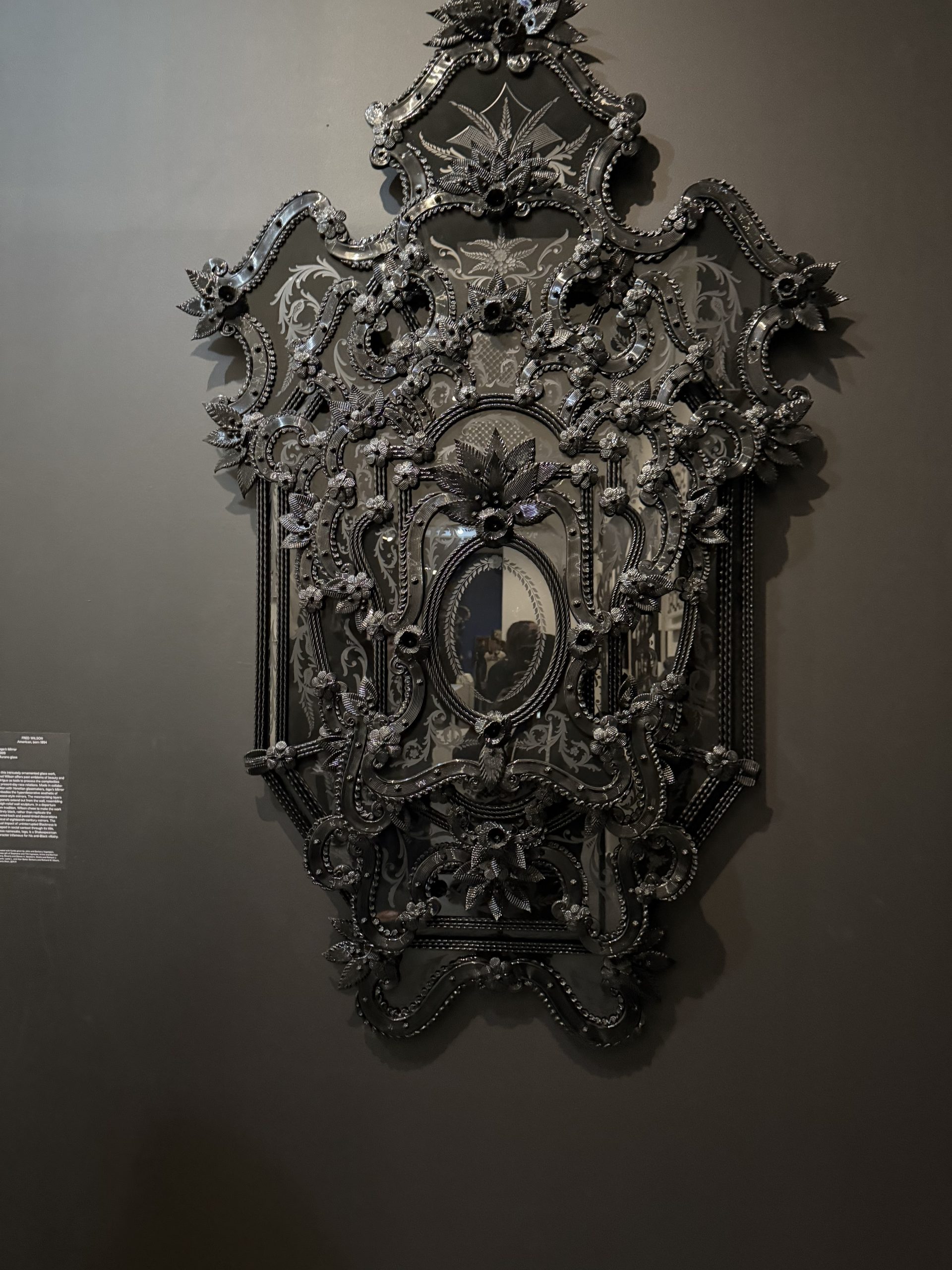
Iago’s mirror by Fred Wilson
At first, I thought it was a stack of mirrors on each other but someone pointed out to me that the only mirror there is the one on the front, and the other layers were ornamental design, which kind of gives it a 3d effect.
This piece reminds me of the story of Snow White. But this mirror doesn’t seem like it would be telling me ‘who is the fairest of them all’…Queens College
-
Compare how this experience reinforced or challenged your previous ideas about museums. Would you encourage other Macaulay students to visit museums?
This reinforced my previous idea about museums, which is that they display information with the intent to display specific messages. I noticed how the layout of each section was different, with certain objects at the center. Also, I learned a lot about different cultures through the exhibits. I would encourage Macaulay students to visit more museums to appreciate history, and to have fun looking at different art forms.
Baruch College
-
Compare how this experience reinforced or challenged your previous ideas about museums. Would you encourage other Macaulay students to visit museums?
I always viewed museums as unassuming, so I would attending one. This experience challenged this previous idea by offering me a group of people who were willing to share the ideas on the artwork . When they shared with me, I was able to see a different perspective other than what was given in the description. Additionally, as we continued to explore, I began to view artworks differently, without the opinions of others, by comparing them to the everyday things I see. I plan to apply this new ability the next time I view art.
Sanya
Brooklyn College
-
Where and how do you see yourself, your communities, and/or New Yorkers in this museum?
I see myself and my community reflected in the Brooklyn Museum’s celebration of diversity and global perspectives. As someone who values learning about different cultures and connecting across backgrounds, I relate to the museum’s inclusive exhibitions that highlight underrepresented voices and stories from around the world. The museum’s blend of history, art, and social awareness mirrors the energy of New York itself, diverse, creative, and constantly evolving. It’s a place where people from all walks of life can see parts of their identity represented while also discovering new ways of understanding others.
Nicholas Faynvets
Baruch College
-
Choose a piece of art you saw that invoked strong feelings for you. Describe the response you had and why. (Don’t forget to include the title and artist.)
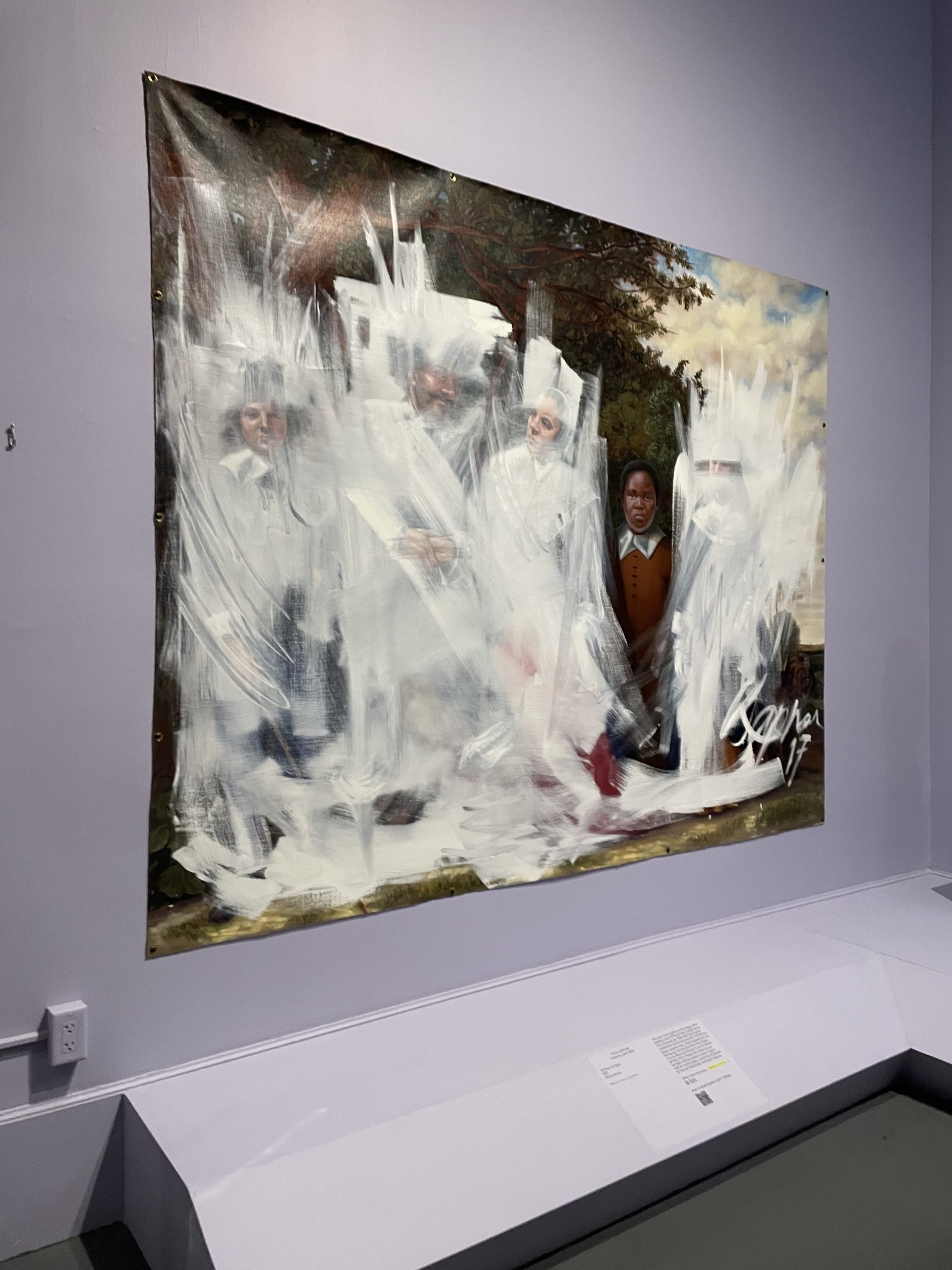
One piece of art that invoked strong feelings for me was “Shifting the Gaze” (2017) by Titus Kaphar. When I first saw it, I was struck by the way Kaphar painted over most of the figures in white, leaving only the young Black boy visible. This powerful contrast made me feel both sadness and admiration. Sadness
for how people like him were often overlooked in history, and admiration for how Kaphar brought his presence to the forefront. The painting made me reflect on how art can challenge the stories we’ve been taught and force us to notice what’s been erased or ignored. Kaphar’s work made me realize how perspective shapes what we value and remember. Overall, it was a moving reminder that every person’s story deserves to be
seen.Alisha Majid
Lehman College
-
Compare how this experience reinforced or challenged your previous ideas about museums. Would you encourage other Macaulay students to visit museums?
Museums always seemed to be laid out by specific collections, where paintings are lined by ornate frames and artifacts are encased upon podiums. But after seeing the unconventional layout of the Brooklyn Museum, it changed my perspective on how works of historical or cultural significance are displayed. Whether it be the shelves of sculptures or a sea of white faces hung across from benches, these sequences were not based on time periods and not entirely on aesthetic but on the styles of art or meaning/intention of their respective creator. It was a fresh scene to witness in a different means of display.
Nazarin J.
Hunter College
-
Compare how this experience reinforced or challenged your previous ideas about museums. Would you encourage other Macaulay students to visit museums?
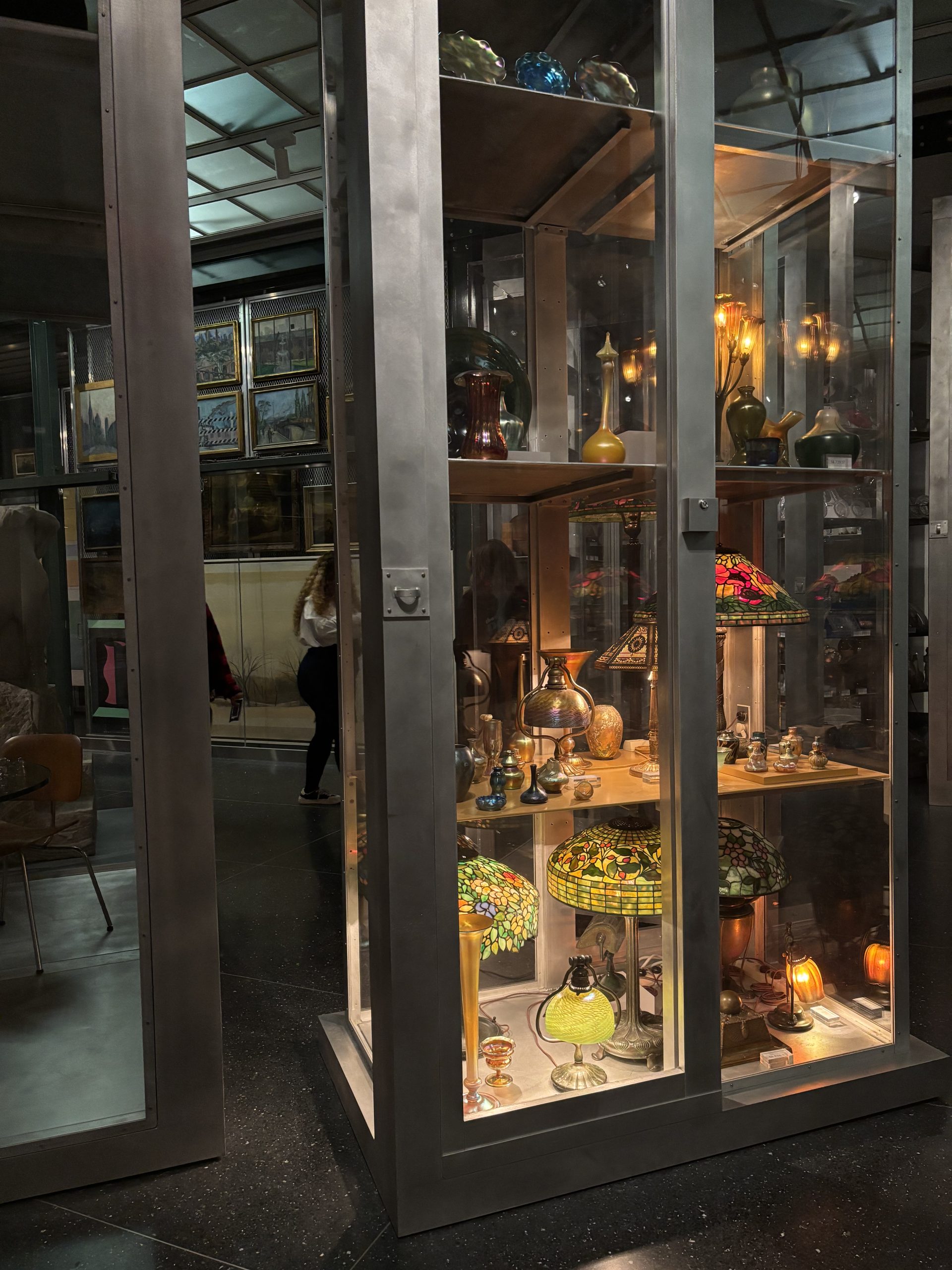
This experience challenged my previous ideas about museums because I used to believe that museums were uninteresting. I previously thought that museums just had paintings and sculptures to look at, and nothing would pique my interest. However, the Brooklyn Museum is thoughtfully laid out with a wide array of art pieces and even a cinema-inspired room. This room in particular (Christian Marclay: Doors) was interesting to me, as it featured a dark room with a film playing, which caught me by surprise. There was also a “storage” type of room, which contained a wide array of items in glass casings. These exhibits all led to me having a much better picture of what museums are like and how they can be captivating to the public eye. I would encourage other Macaulay students to visit museums, as they may enjoy different forms of art that are on display and form their own opinions of it. This makes museums a unique experience that all students can enjoy in their own ways.
Evelyn Kofman
Brooklyn College
-
Compare how this experience reinforced or challenged your previous ideas about museums. Would you encourage other Macaulay students to visit museums?
Having previously worked in a smaller, local museum, my initial impression of this larger museum, especially focusing only on the fifth floor, was that it would be a quick visit. However, I was completely surprised by how expansive the floor was, revealing incredible pieces that just kept going. This experience truly challenged my assumptions about museum scale and reinforced how captivating diverse exhibitions can be. It was genuinely interesting to see all the unique pieces, and the sheer depth of the exhibits was amazing. I would definitely encourage all Macaulay students to explore different museums, as each one offers a uniquely enriching experience.
Lehman College
-
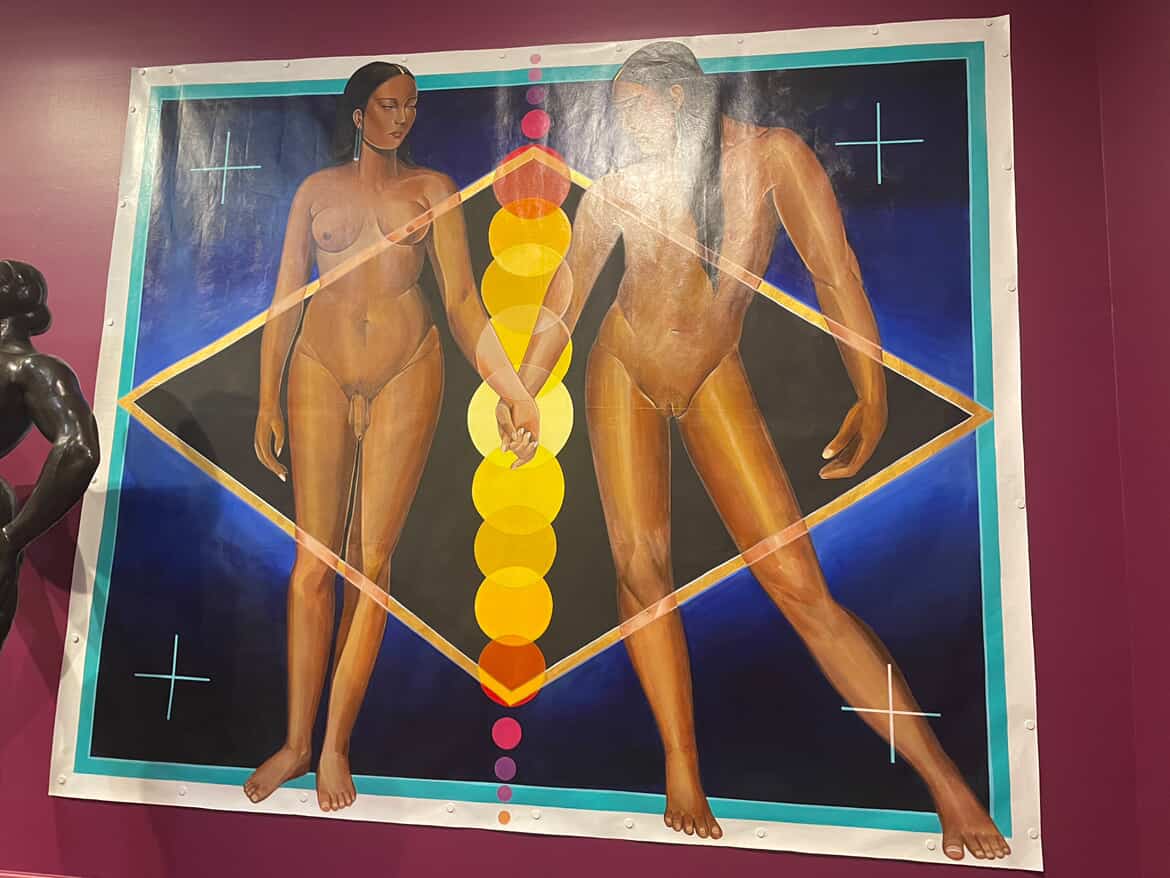
Compare how this experience reinforced or challenged your previous ideas about museums. Would you encourage other Macaulay students to visit museums?
Before “Night at the Museum” I thought of museums as places that were meant to challenge visitors to expand their mindsets. No matter what content the museum houses–artistic, scientific, historical, or performative artifacts–they always aim to change the way we think, or to allow us to view things in an entirely different perspective: museums are the keys to intellectualism. Going through the fifth floor only reinforced my previous opinions as walking through the museum the piece, “Four Genders Were Born” stood out to me. It celebrates antithesis to the gender binary that dictates western civilization, prompting viewers to analyze their reaction to the piece. If they’re confused, they have to ask, “what in my mindset is stopping me from fully understanding this piece?” If they’re uncomfortable, they have to ask, “what have I consumed that is creating this discomfort? What does that say about me? How should I work on this?” The piece supports my opinion on what museums are made to do.
Elaine Ching
Hunter College

