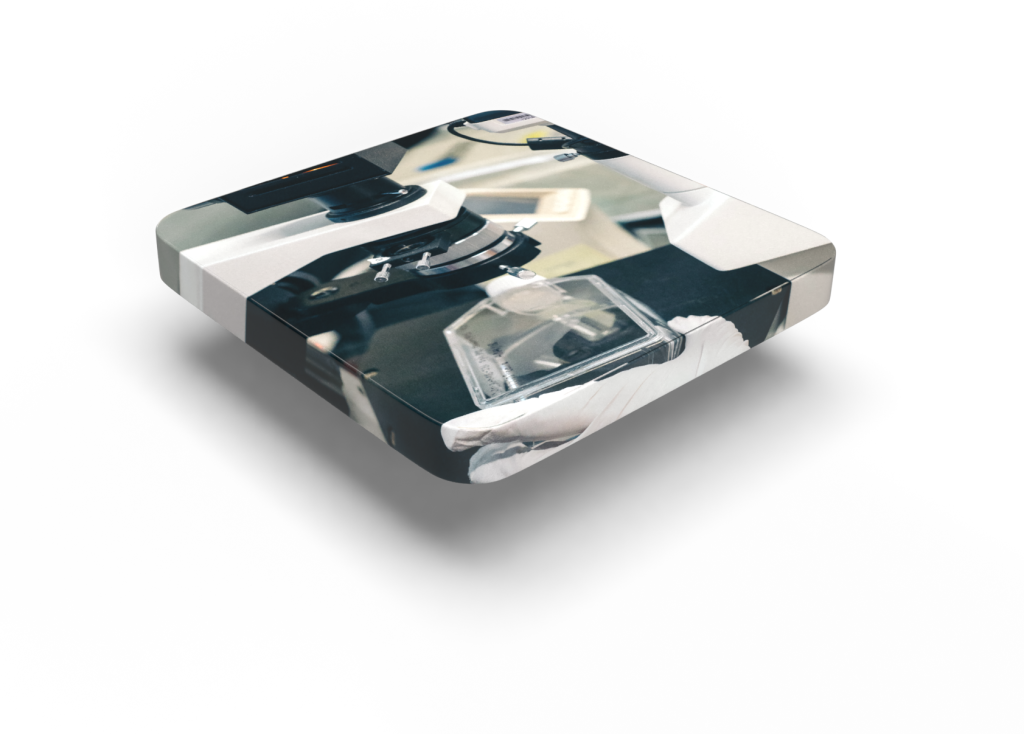
Scientists use a range of tools to make small things bigger and brighter, and distant things closer and clearer. From telescopes to microscopes, these tools of seeing provide more information and understanding than our own eyes.
How to Use this Video
This video really focuses on having a sense of scale, a Number Sense skill. We talk to astronomers, biologists, and geologists about how they use tools to enhance their sight and how this allows them to make meaningful observations in their fields.
Find the video below, as well as some of the important Science Senses it features relating to converting to different units, using different orders of magnitude, and using multiple lines of evidence to support conclusions.
Have thoughts about the video? What resources or activities have you used to teach this topic in your class? We’d love to know – share your voice by sending us a message below 🙂
This video goes well with any activities you are already doing that involve microscopes.
If you have access to microscopes or telescopes, use them in class to collect data. If you don’t have access, images from either make good substitutes. You could have students estimate the number of galaxies in the universe from the Hubble Ultra Deep Field image, for example.
If you have access to hand lenses, you can do an activity where you have students make observations just with their naked eyes and then have them document what different things they can see with only a 10x magnification.
Since this video is heavy on the Number Sense, you could construct a problem set where students have to calculate across many orders of magnitude, with multiple units.
Readings
OpenStax. 2016. Chapter 17: Analyzing Starlight from OpenStax, Astronomy. OpenStax. (Access the OER here.)
White and Dennin. 2008. Chapter 2: Numbers and Physical Reality from Science Appreciation: Introduction to Science Literacy. (Access the OER here.)
Contact Us
Have an idea for how to use this video in class? Want to give us feedback? Let us know!