
This is a gallery curated by you, the students taking part in our Night at the Museum. Make it your own!
To have your own response appear on this page, form a group and submit a response.
-
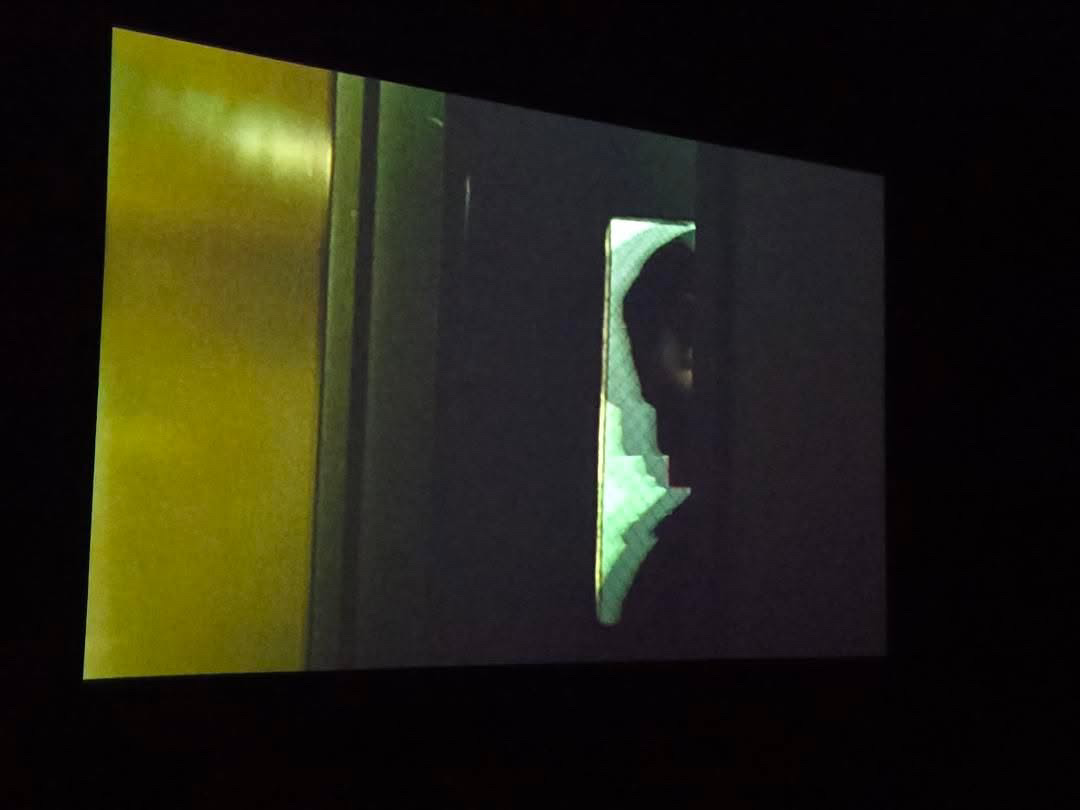
Doors
Christian Marclay
2022
What do you see going on in this work of art? Is there a story depicted?
In “Doors” by Christian Marclay, we observed different people walking through doors, but before they cross to the other side, the scene changes and someone else replaces the trajectory of the previous person. It’s a link of interconnectedness, where each person is the main character of their own rushed story, as can be seen by their rapid, hurried steps. Overall, there isn’t a build-up of a story as we can see; rather, this film simply shows people going through their own occasions.
What different visual elements (ie: line, color, light, proportions, scale, composition, media type etc.) do you notice, and how do they help you make sense of the artwork?
This film that is composed of many other films features many different visual elements. In terms of color, in “Doors,” one scene can be black and white, while the next scene could be colored. To add on, there is a lot of movement as this is not a painting or sculpture: it’s a movie. Therefore, lines, proportions, and composition vary between each clip, but they can relate to each other in the concept of fluidness. This fluidness captured and still captures our attention, and it makes the overall work very interesting and anticipatory.
How does this object compare to other objects, stories, or ideas you already know about?
This “object” is very dynamic compared to other artworks, especially considering the fact that “Doors” isn’t really an object essentially. While it is playing on a projector, which counts as an object, the real work that is being shown is through the movements of the people in the clips of the movie. Nonetheless, the movie can be compared to the grainy, intricate films from the 1900s. But of course, since Marclay created this film mainly from other films from the twentieth century.
What choices do you think the museum made about the object’s display?
We both believe Brooklyn Museum presented this work in a really unique way so that it could leave a deep, positive impression on the viewers. The darkened room, smooth benches, and comfortable floor adds to the experience, and we think that Marclay would be satisfied with how the museum is presenting his work.
Group Members
Ayesha Javaid & Joseline Mendez
-
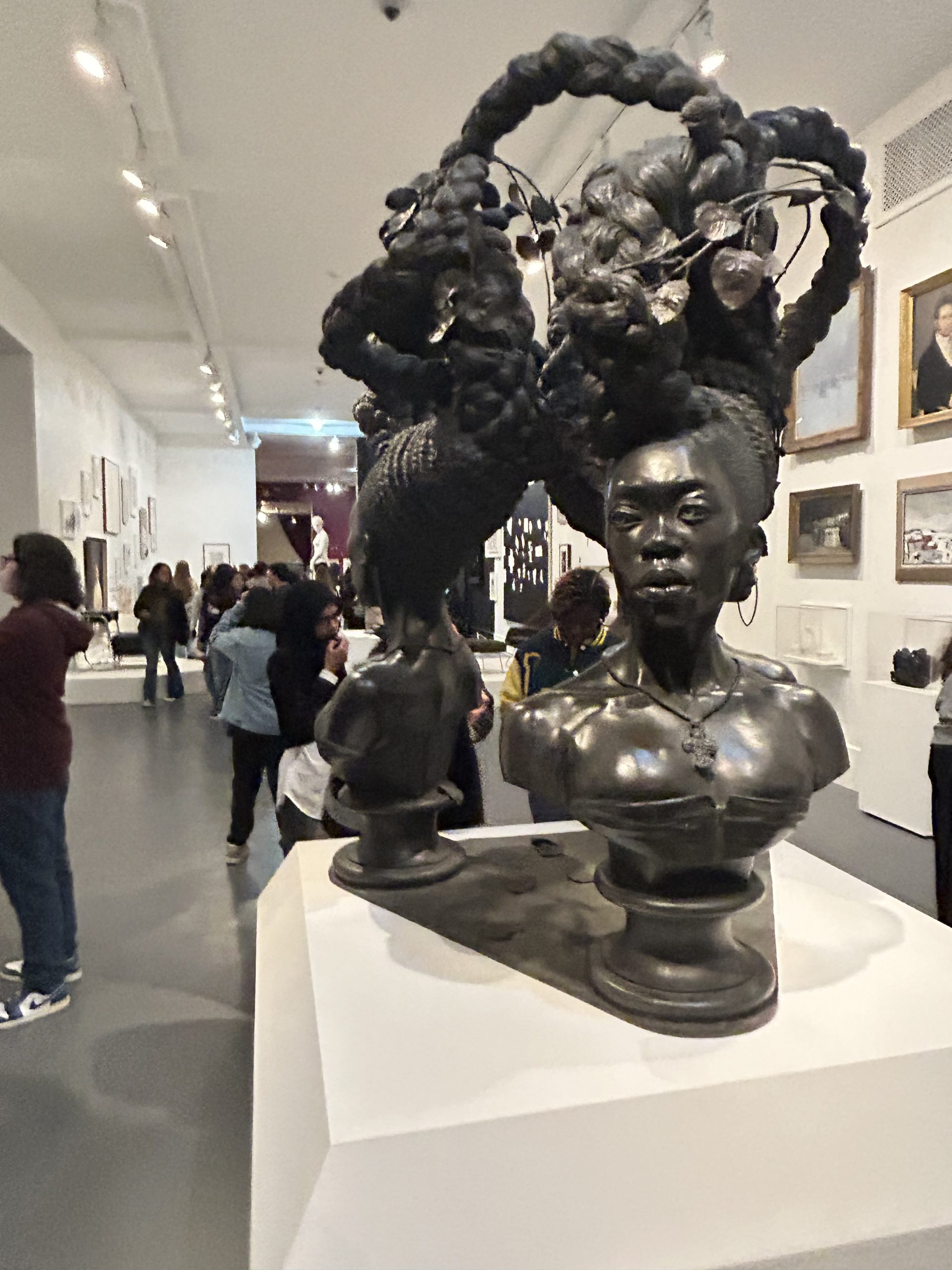
Bound
Kehinde Wiley
1977
What do you see going on in this work of art? Is there a story depicted?
A sculpture of heads of a black woman all connected by their hair.
What different visual elements (ie: line, color, light, proportions, scale, composition, media type etc.) do you notice, and how do they help you make sense of the artwork?
The sculpture is quite large, one of the largest statutes in the entire exhibit. The artwork seems to increase in scale the higher we look, meaning the hair is the largest part. The focus of the artwork is definenitly the hair, which is also endowed with flowers and plants. The tied hair of each woman may be used to demonstrate the shared experiences and beauty the author wanted to depict.
How does this object compare to other objects, stories, or ideas you already know about?
We examined a piece of artwork that depicted a large white and black statue standing next to each other. These statues represented the conflicting duality of experiences of different people within society. One statue standard firm and proud, with plenty of expression, while the other was conformed to a tense position. These statues are like the black figure in terms of color, but the expression and intended meaning compares to the graceful exposed white figure.
What choices do you think the museum made about the object’s display?
The statue stands as a mirror and collage of all the paintings that surround it. Many of them are portraits, while many of them are abstract. The object is the first you see when you walk into that particular room. The room that the artwork lies in is bright white in color, which contrasts with the black material used to construct the artwork. The purpose of the artwork is to demonstrate the beauty and politics of the hair of black women. The artwork needs observers to noice it for that to happen.
Group Members
Mujtaba Chowdhury, Aaron Ramos, Isaiah Muniz, Alexa Escamilla, Javier Pliego Parra, Ayesha Ishaq, Alisha Majid,
-
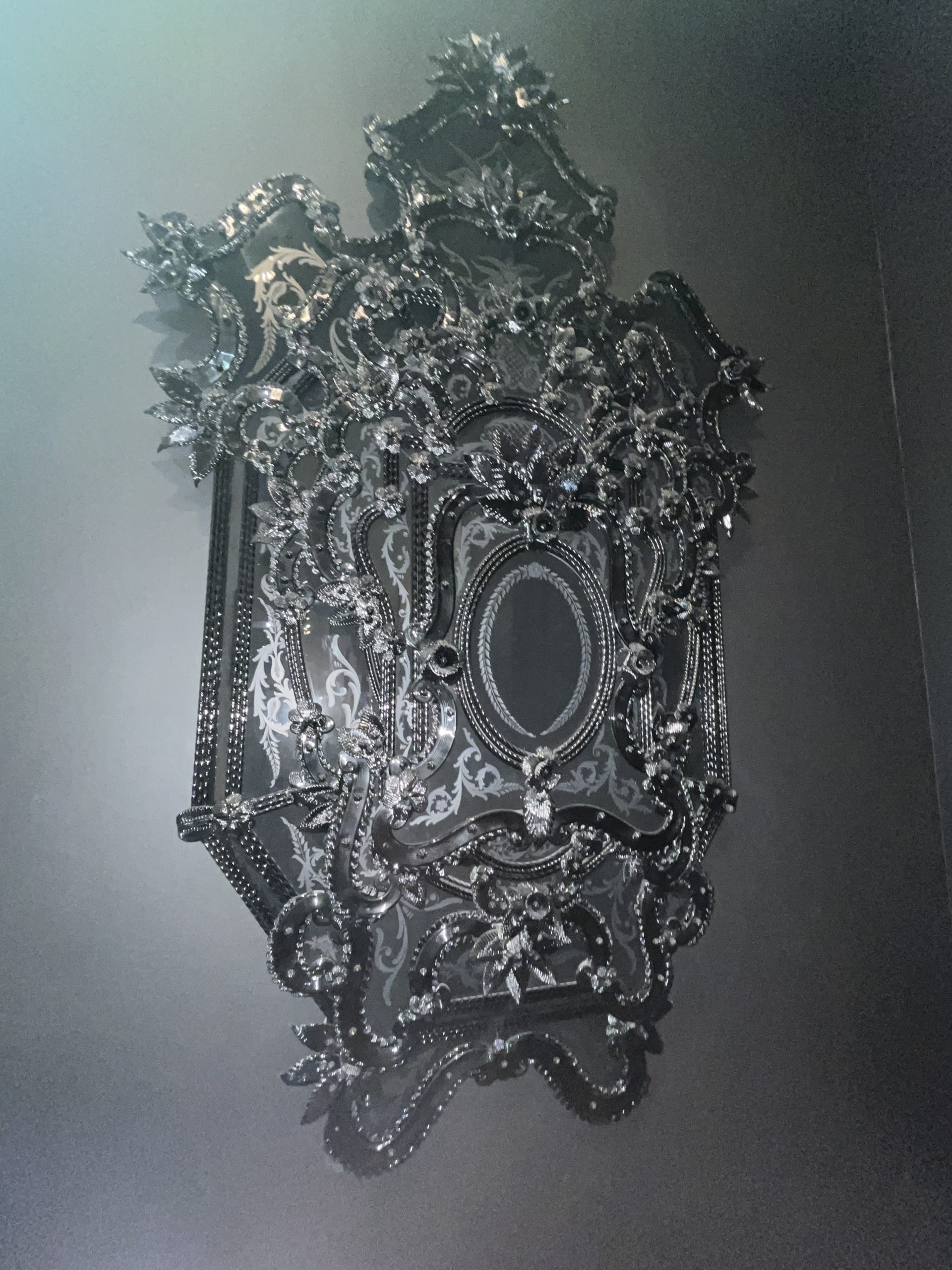
Iago’s Mirror
Fred Wilson
2009
What choices do you think the museum made about the object’s display?
This piece was placed on a black wall in the corner of the room, surrounded by other black artwork. We believe this was a strategic choice by the museum to place this piece in the corner of the room, especially as the plaque discusses the concept of “uninterrupted Blackness.” In the corner of the room, this piece cannot be “interrupted” by any other works of art as it is not in between any of them.
Group Members
Paloma Arena & Bhavani Rupee
-

niagara
louis remy mignot
1866
What do you see going on in this work of art? Is there a story depicted?
it looks like a bunch of water falls and a sunset
What different visual elements (ie: line, color, light, proportions, scale, composition, media type etc.) do you notice, and how do they help you make sense of the artwork?
there’s bright colors, the scale is big and zoomed in on one part of the waterfall. it’s made with oil on canvas.
How does this object compare to other objects, stories, or ideas you already know about?
it looks a lot like what i would imagine a real waterfall to look like.
What choices do you think the museum made about the object’s display?
they put it around other paintings depicting waterways because the exhibit is called trouble the water
Group Members
maiya, saajid, osmar, karla
-
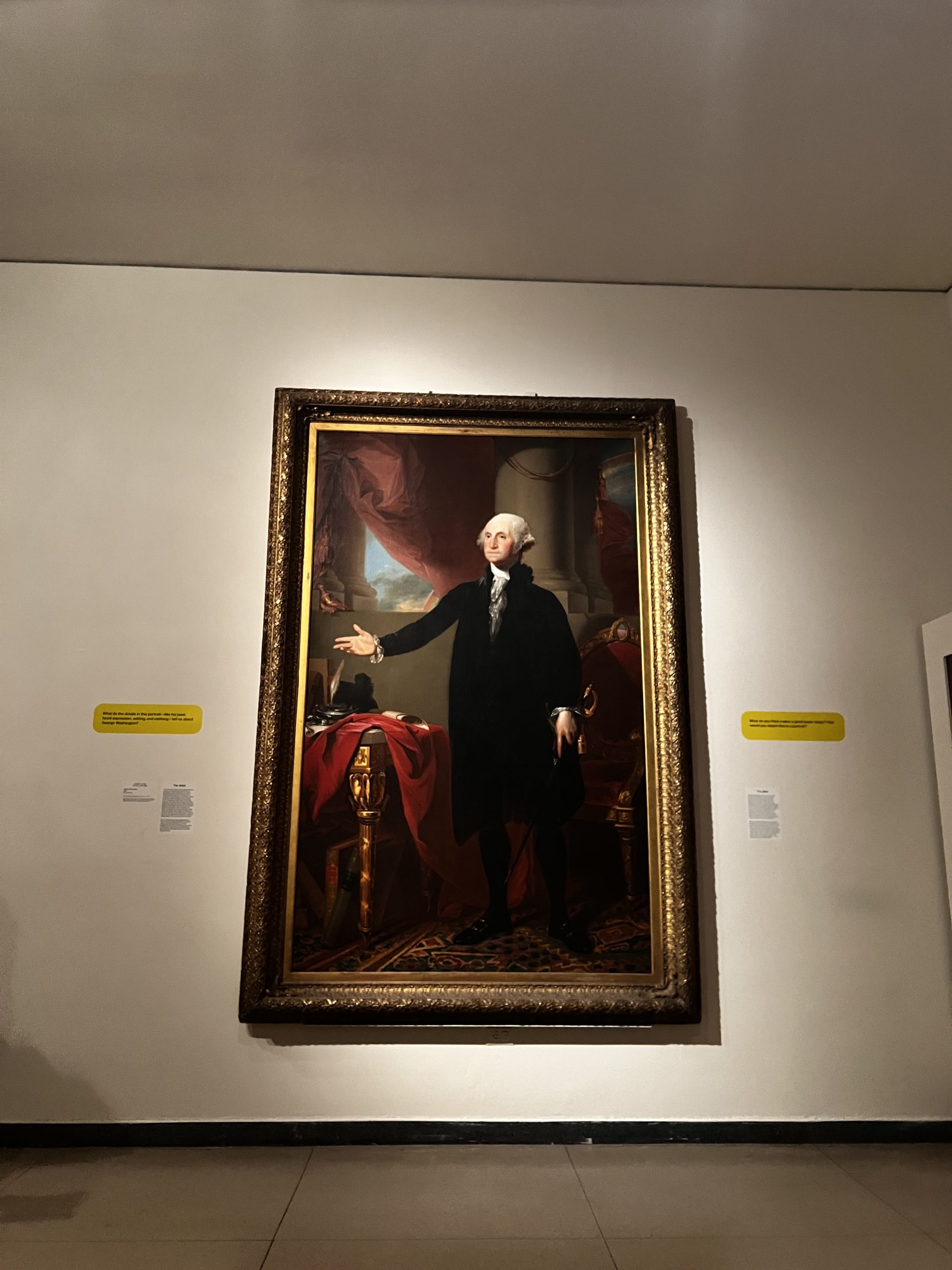
George Washington
Gilbert Stuart
1796
What do you see going on in this work of art? Is there a story depicted?
The painting depicts George Washington, the first president of the United States, after the American Revolution and independence from the tyrannical Great Britain. He is shown wearing ordinary clothing with his palm extended, showing his commitment to helping the newfound nation. He is surrounded by American iconography, such as eagles or American flags, which reflects the identity of a unified nation.
Group Members
Mariam Ghanem, Musfira Kashif, Fatima Coyt
-
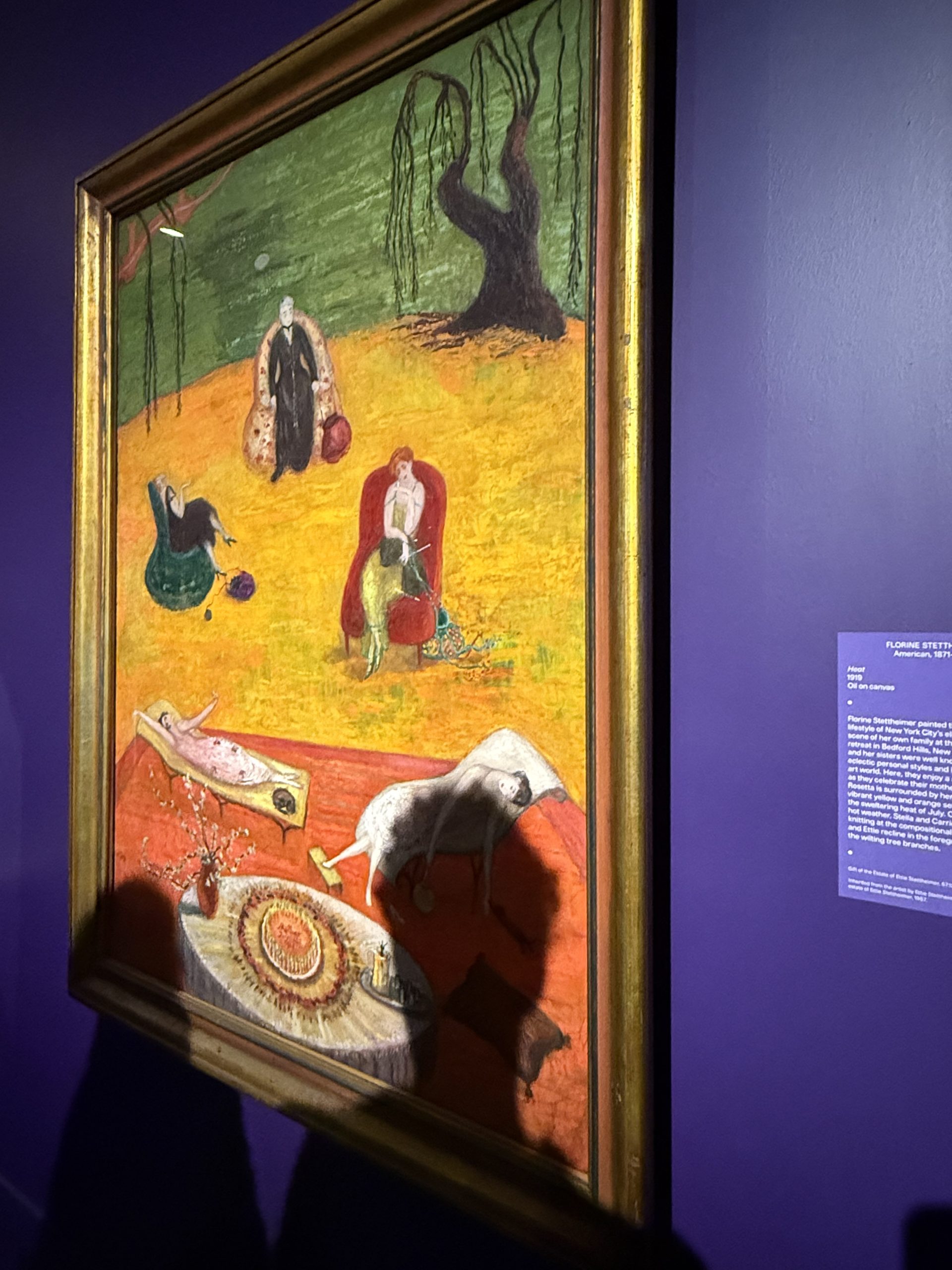
Heat
Florine Stettheimer
1919
What do you see going on in this work of art? Is there a story depicted?
Women laying down on chairs, enjoying a moment of rest. They celebrate their mothers birthday
What different visual elements (ie: line, color, light, proportions, scale, composition, media type etc.) do you notice, and how do they help you make sense of the artwork?
Each of the women’s body proportions seem unusual. This is emphasized by the way they stretch their hands. The color choice being yellow is also significant; Florine wants to stress the atmosphere of a summery day. These features of the spinning make us feel claustrophobic and the sense of discomfort
How does this object compare to other objects, stories, or ideas you already know about?
This made us think of the Yellow Wallpaper, and how women are depicted in yellow colored spaces and that feeling of claustrophobic arising. This has larger themes including mental health and the importance of women’s intuition, which can be similarly seen in this painting by Stettheimer. She also depicts the yellow wallpaper.
What choices do you think the museum made about the object’s display?
The fact that this piece was located next to the pink gallery (which had majority paintings of women) is telling. It invites us to think about the male gaze and when women feel discomfort it’s usually silenced.
Group Members
Brianna Abad, Elif Basaran, Shi Qi Huang
-
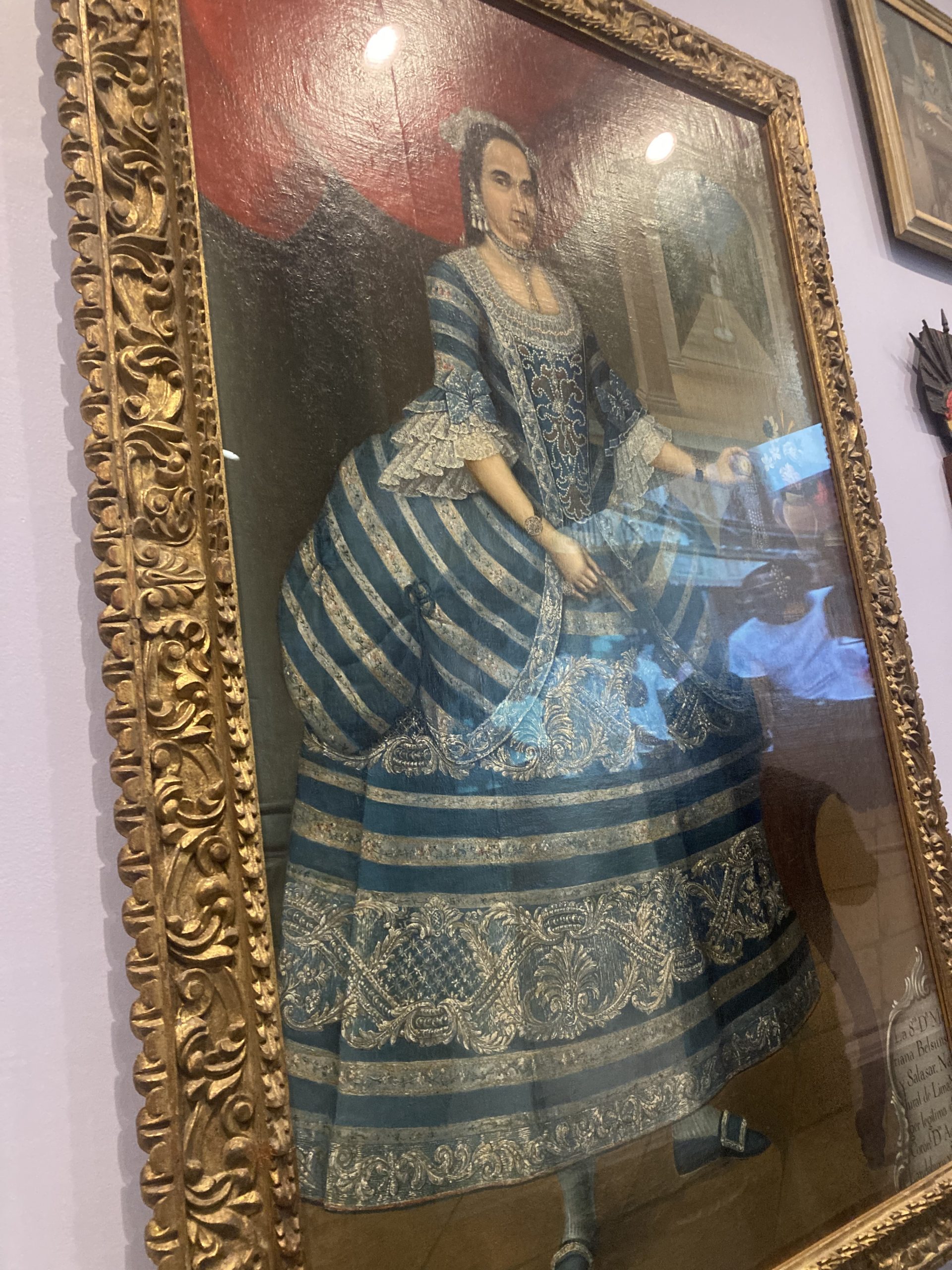
Doña Mariana Be/sunse y Salasar
JOSE JOAQUIN BERMEJO, PEDRO JOSÉ DÍAZ
1780
What do you see going on in this work of art? Is there a story depicted?
There’s a woman in a fancy, blue ball gown. She is holding a clock that points to the time “1:50” (Maybe??). Also, there is a description in the bottom right corner in a Latin or Spanish language, a book on the table, and the jewelry she wears is very fancy. There is a grandfather clock in the background and a vase of flowers beside the book. Perhaps there is a big story on the topic of “time”, relating to her wealth, or something more.
What different visual elements (ie: line, color, light, proportions, scale, composition, media type etc.) do you notice, and how do they help you make sense of the artwork?
There was a lot of attention to the la work on her dress, and there was a lot of shading and highlighting done to ensure that she stood out in the panting. It makes me think that she is the main idea of the painting, obviously, but her expression is that of sadness. Also, blue colors usually signify sad or mournful feelings.
How does this object compare to other objects, stories, or ideas you already know about?
It makes me think that she is sad that she has little time left to live, but it stood out to me because it reminded me of fancy portraits of the wealthy.
What choices do you think the museum made about the object’s display?
It was beside a projector, which contrasts with the old age visuals of this painting, and the general room that I found the painting in had both modern and old age paintings and pieces. It was interesting because it showed me a lot of how technique and mediums have changed so much over the years, as well as content and messages that ate important in different eras of time.
Group Members
Layla, Kizzy, Abi
-
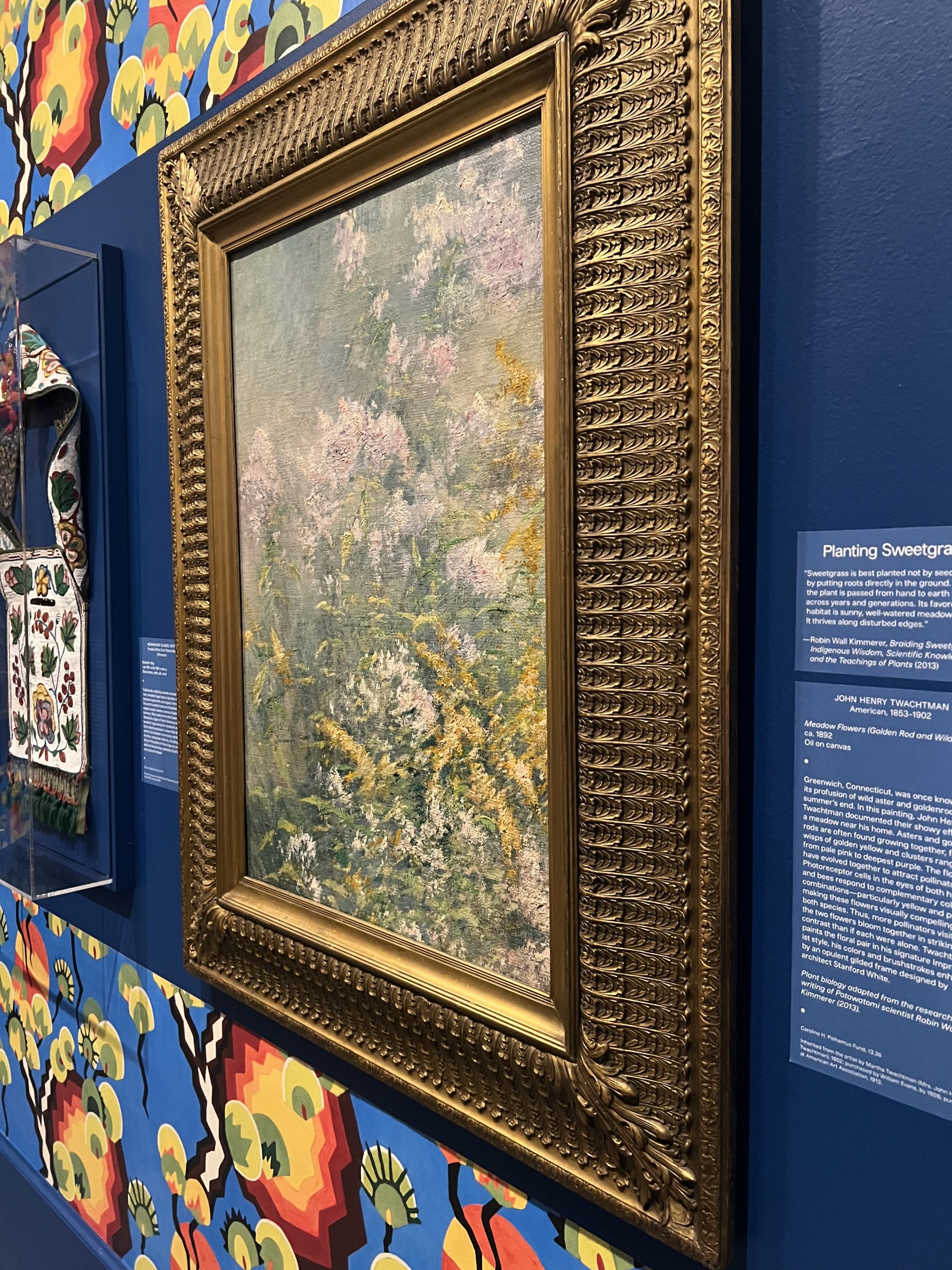
Meadow Flowers (Golden Rod and Wild Aster)
John Henry Twatchtman
1892
What do you see going on in this work of art? Is there a story depicted?
We see life contained in this painting. It seems like its own flourishing mini ecosystem unaffected by the outside world.
What different visual elements (ie: line, color, light, proportions, scale, composition, media type etc.) do you notice, and how do they help you make sense of the artwork?
We notice a warm color palette and the usage of brush dabbing instead of strokes. There is a lot of light (mainly from the right) and very little shadow. Since this piece is so zoomed in, its also difficult to discern the environment.
How does this object compare to other objects, stories, or ideas you already know about?
This doesn’t seem like a lot of other artworks we’ve seen (mostly portraits, still-lifes, or large scale landscapes) but its timeless in the sense that this is an image that you can often find in nature today.
What choices do you think the museum made about the object’s display?
This piece was displayed among many other paintings depicting flowers and the wall of the exhibit area was covered in bright flowers, which almost made the piece seem dull in comparison. The painting was also displayed in a gold frame, which brought out the yellow in the flowers.
Group Members
Thomas DiLorenzo
-
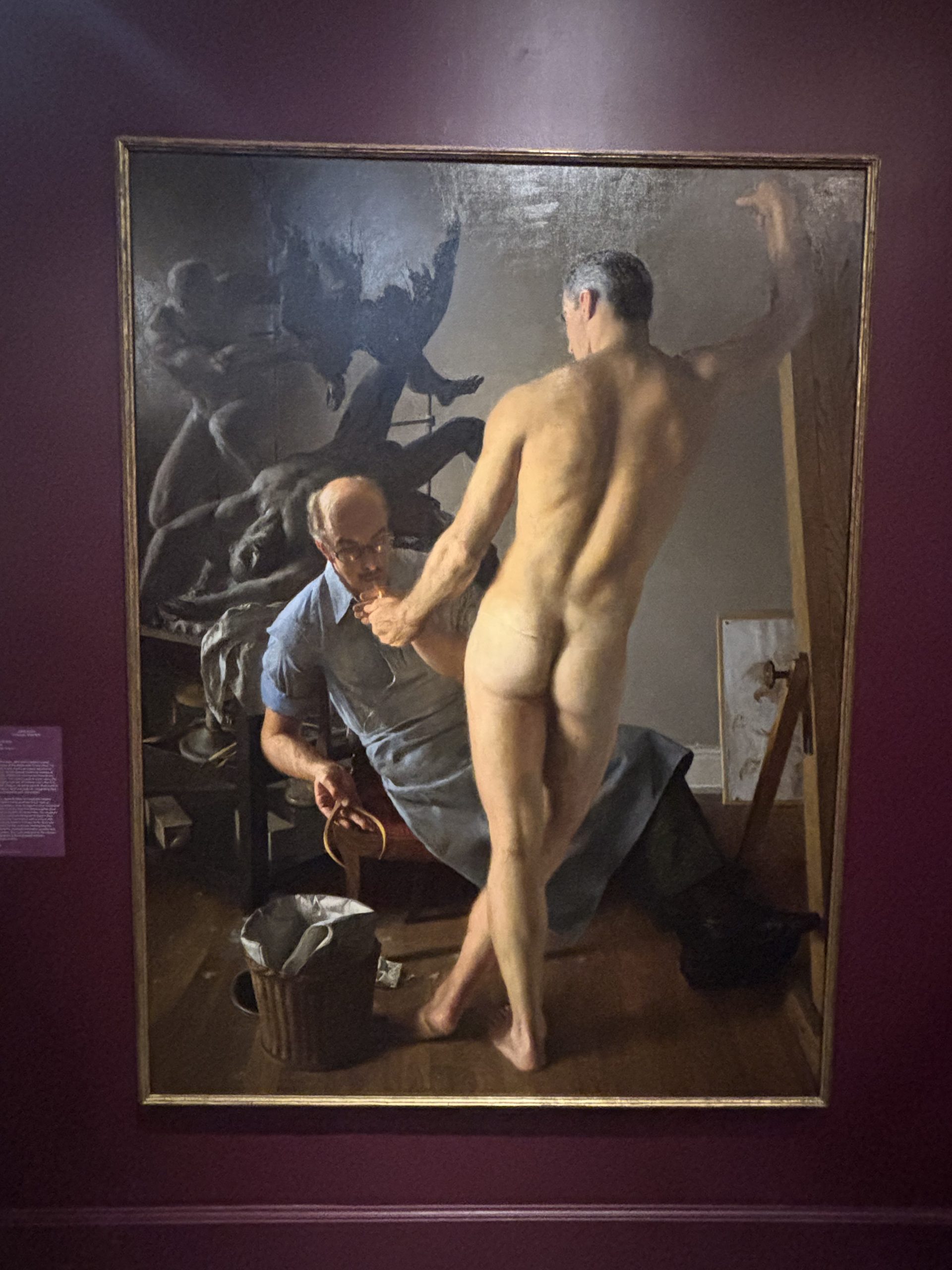
The Sculptor
John Koch
1964
What do you see going on in this work of art? Is there a story depicted?
Yes, a painter is getting his cigarette lit by the model that he is sculpting
What different visual elements (ie: line, color, light, proportions, scale, composition, media type etc.) do you notice, and how do they help you make sense of the artwork?
The painting is very realistic and very well lit with very intricate brush strokes
How does this object compare to other objects, stories, or ideas you already know about?
I think it is realistic like other paintings from the time but tells more of a story than them
What choices do you think the museum made about the object’s display?
It put it in a very deliberate spot with all of the other nude art.
Group Members
Zenel Agolli, Iago Macknik-Conde, Gregory Onaldin, Maria Portillo-Collell
-

Spacelander Bicycle
Benjamin G. Bowden
1960
What do you see going on in this work of art? Is there a story depicted?
The bike is of a saturated, pink color, but it is smooth and softly angled. It looks heavily inspired by 1950s road cars. Its smooth nature demonstrates to the audience that no matter where you're going, it will all work out. The invisibility of the gears symbolize that the journey is defined by you, and not its mechanisms. The fur communicates that tradeoffs are always necessary in journeys. You must sacrifice things, such as the animal killed in pursuit of producing this piece. The gaping hole tells us that obstacles are not necessarily barriers.
Group Members
Sarah Germana, Tracy Ho, Emma Colaco, Teresa Pathadan

