Category: Uncategorized

  • Political Art

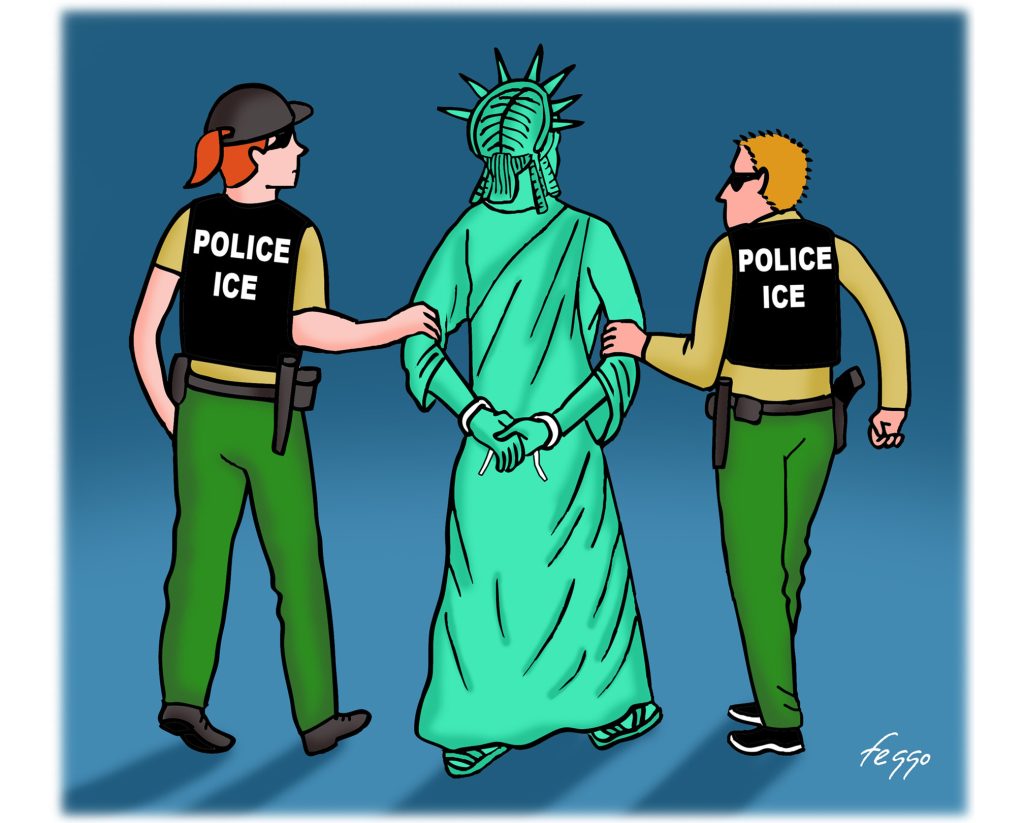
    This piece created by Felipe Galindo under the pseudonym “Feggo” in December of 2017, is captioned “If she overstayed her visa, would she get deported?” Galindo, a Mexican immigrant who moved to New York in 1983, is an animator and cartoonist which focuses on political pieces and activism. He’s had his work posted in The New Yorker and The New York Times for his reverence as a political cartoonist, working with modern day issues.

    His topic of deportation is still very relevant today. ICE is more active than ever, even more so now with the BBB, and not only its methods but validity for deportation are being questioned all around the nation. America, where it used to be considered safe for anyone and everyone, has turned into a place where people do not want to move anymore. I think that Galindo’s art is still very relevant, and even more so than when he made it, in society today. ICE’s change in prevalence in everyday life has alter how this country is perceived, but ran, and it affects everyone of us, whether you realize it or not.

  • ‘Lives Over Gun’

    As a piece of protest art, this installation entitled ‘Lives Over Guns’ was installed outside of a Philadelphia high school by YOMI, a street artist. The installation shows a young child laid out on the sidewalk, becoming a victim to two gun shot in the head. YOMI’s installation was a response to the violent mass shooting at Parkland High School in Florida. The Parkland shooting became one that further escalated the political fight against guns and one that called for greater and expansive gun control by the federal government. YOMI’s purpose was to “continue the conversation between students, teachers, and parents about stricter gun laws and school safety” and to protest against the ineffective federal policies that are majorly supported by the NRA (“Powerful New Installation.. ‘Lives Over Guns’”).

    This installation by YOMI is one that still connects to the political nature of our country. Due to the ineffective and destructive actions done by the federal government, there have been 47 school shootings in 2025 alone, with half being on college campuses and the others in K-12 schools. No child should become victim to such violence in the places that are supposed to protect and support them.

  • “No Future” – Protest Art

    No Future is a piece of artwork created by artist activist Shepard Fairey in collaboration with another artist activist, Ai Weiwei, as part of The Skateroom in 2017. This collaboration project involves printing the artist’s work on limited edition skateboards (also available in print version), and each of the artists’ work was created directly in response to the harsh political and social climate of the United States. No Future in particular is a response to the massive waves of racism, sexism, xenophobia, and the violence fueled by this overall bigotry following the 2016 presidential election. Ai Weiwei’s piece, a part in his ongoing project Study of Perspective, is also shown.

    I believe it is very much relevant to this day, as fear has been a prevalent part of our lives for the better part of the past decade, whether it be economic, social, or racial issues throughout the entire nation and around the world. It almost seems hopeless, which makes it very fitting that Fairey named his piece No Future. The artist stated that, when creating this piece, he kept in mind the idea of Manifest Destiny and the idea that rich white men were justifying their greed by using the excuse of “God’s will,” and how he felt that it related to the political climate in 2016-2017. It still applies today, and some could argue that it has become significantly worse.

  • Protest Art: Guerrilla Girls, Women, and the Met

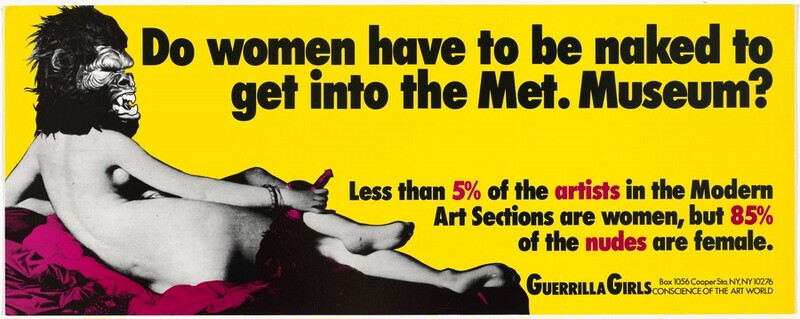
    This eye catching piece by the Guerrilla Girls from 1989 is straightforward and informative, which is why it caught my eye—plus the giant gorilla head. The Guerrilla girls are feminist artists who stay anonymous by wearing gorilla masks in public.

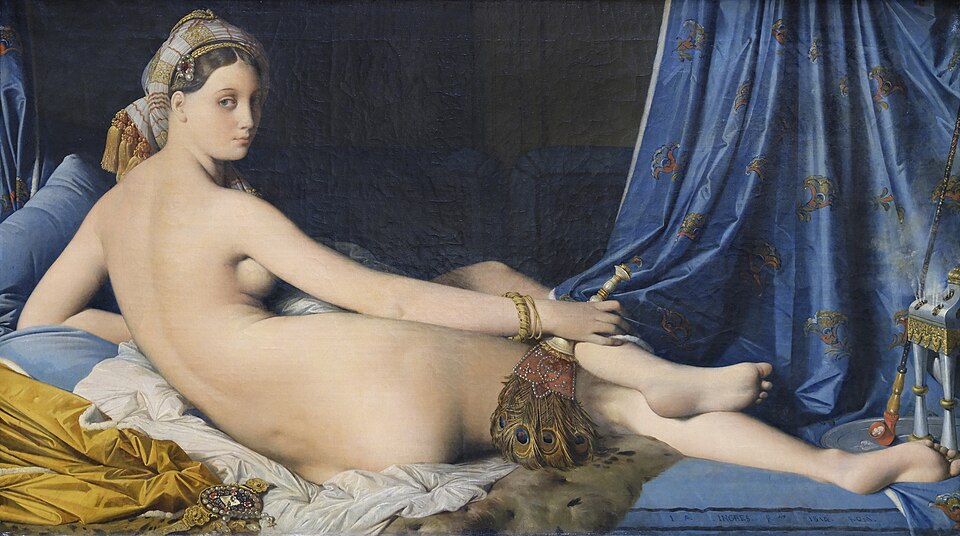
    The piece was created when the Public Art Fund commissioned them to design a billboard. The Girls visited the met and saw the alarming ratio of female artists to female nude art. The Public Art Fund rejected the piece as a billboard and it was instead displayed on NYC buses. The woman in the photo is from the female nude painting La grande odalisque (1814) by Jean Auguste Dominique Ingres.

    This issue is definitely still relevant today because while society has come a long way sexism is never going to disappear, at least not for a long time. Part of the problem is that so many famous classical European artists loved to paint naked women and those pieces are wanted by museums. The more we take a chapter out of Kimberly Drew’s book This is What I Know About Art and push ourselves to keep evolving art the more protest art such as this will become less relevant and that is the ultimate goal.

    Funnily enough I found this piece of protest art on the Met’s website so in that regard the Met has recognized its core issues following 1989.

  • Protest art – Guernica

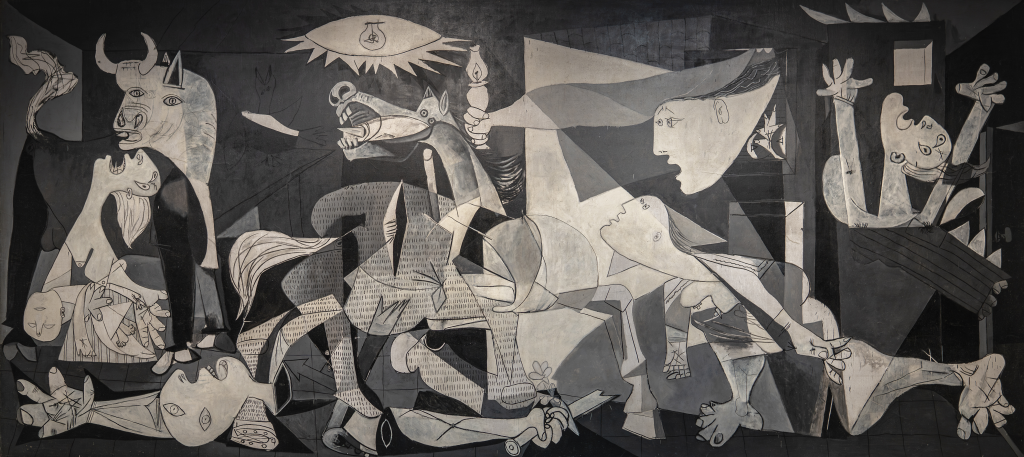
    Guernica by Pablo Picasso was created in 1937, in the aftermath of the Nazi bombing of the Spanish town of Guernica. It acted as an anti-war symbol, and depicts the shock, horror, and death (particularly among civilians) involved in war.

    Even almost a century later, this mural is still relevant. Despite the only certainty in war being its devastation, to this day, humanity is constantly at odds with itself. Despite centuries of violence, and countless deaths, war will never cease to exist. Today, this art is applicable to people who suffer from the effects of war, such as the citizens of Ukraine who suffer similar bombings relentlessly. The shock expressed on the faces of the caricatures shows the natural human reaction to violence and destruction, and is something which will never change regardless of how much time passes.

    This art piece reflects how the victims of war are the masses, while those who orchestrate it often suffer little consequences comparatively, which holds true until today. Political figures who embroil nations/regions in war seldom suffer the personal loss of ordinary civilians, as depicted by the throng of people fleeing and dying in Guernica. In our own nation, we see the effects of this as people emigrate from their nations and seek refuge in the U.S.A as a means of survival, struggling with adapting to a new culture, making money, and in many cases leaving behind loved ones, while wealthy leaders who can flee at anytime enjoy cushy lifestyles.

    Furthermore, the lightbulb in this mural, which many interpret as either the bombing itself or the eyes of God reflects how in both interpretations, average people are unable to prevent tragedy. Humanity is unable to protect itself when outside forces are at play, and is at the mercy of higher powers/those in power.

  • Protest Art: Dread Scott, 2015

    This piece of protest are was made by Dread Scott, an African American visual artist known for his works regarding the experience of African Americans in modern us. Part of his artistic statement is that the he looks towards “…an era without exploitation or oppression of any people.” He wants his art to emphasize how critical subjecting people into certain fates or outcomes based off of their background can impact a whole community. This flag does just that. In 2015, Scott produced his own version of the N.A.A.C.P. flag that would be used to mark lynchings that would occur and would be posted outside of the NY headquarters on 5th avenue (1920-38). The flags typically would be a black-and-white illustration, however Scott decided to be more explicit with this message through saying “A Man Was Lynched By Police Yesterday.” He produced this flag in response to the fatal shooting of Walter Scott by a South Carolina police officer. The main purpose was to highlight the amount of horrors that go unnoticed that minorities in general deal with on a day to day basis. There are countless of lynchings and systematic oppressions that occur today and still aren’t being properly recognized and handled appropriately. Scott’s response to his work was him dating back to the Jim Crow era where Black people were terrorized by lynching and how lynching would be used as a threat that for whatever reason, or no reason at all, you can be killed and the killers wouldn’t receive any sort of punishment. Now the police are playing this same role of terror that Lynch mobs would play back then. The same people that are supposed to protect and serve to help the community are the ones damaging it. I believe that this piece of work is still appropriate today with the increase of different instances happening all over America of minorities getting mistreated by the law and are facing injustice. These are the events that make the political system seem so flawed when it claims to be there to treat everyone equally and provide equal protection amongst all those people. This piece of work can be used to criticize the social and political state of America. It shows just how little these events are being valued and as time goes on the value begins to constantly decrease and decrease even more. This alongside the lack of effort to make any change, there is no telling how much society will progress as time goes on, if progression is even an option.

  • Claws of Censorship

    Claws of Censorship

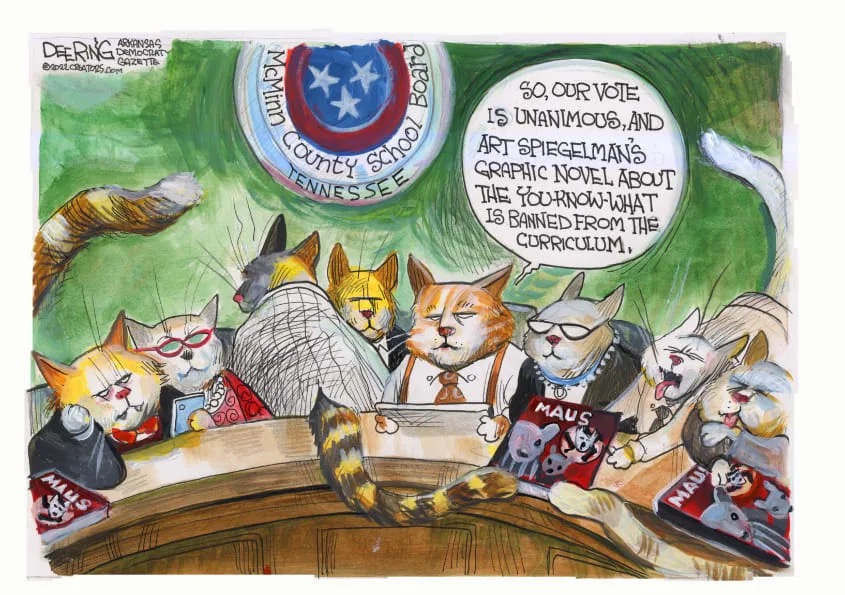
    A Political cartoon created by John Deering.

    Cat and ‘Maus’ is a cartoon meant to play with the common expression of cat and mouse chases. Showcasing eight different cats all with different attributes, they are unanimously voting to ban the popular book, Maus. The graphic novel Maus created by Art Spiegelman depicts him discussing with his father the holocaust. Spigelman’s father was a Polish Jew as well as holocaust survivor, being shown as a mice throughout the novel. The germans in this novel were however depicted as Cats, highlighting that cat and mouse game.

    This political cartoon of them voting to ban a book that depicts them (Cats) as horrible people who committed a heinous crime to the jewish community (Mice). It’s an ironic cartoon highlighting the desire to hide the bad parts of history in order to make the “top cats” appear better.

    This is still current with today’s news because people are still trying to get certain books banned for one reason or another in schools, especially books that put a bad light on certain topics. Books such as The Handmaids Tale (A book showcasing the mistreatment of women throughout history), The Kite Runner (A book displaying a wealthy boy and a servants friendship) and The Bluest Eye (A book about a black girl dealing with racism and wishing she could be beautiful like other students if she had been born with blue eyes)

  • Protest Art-Hind’s Hall

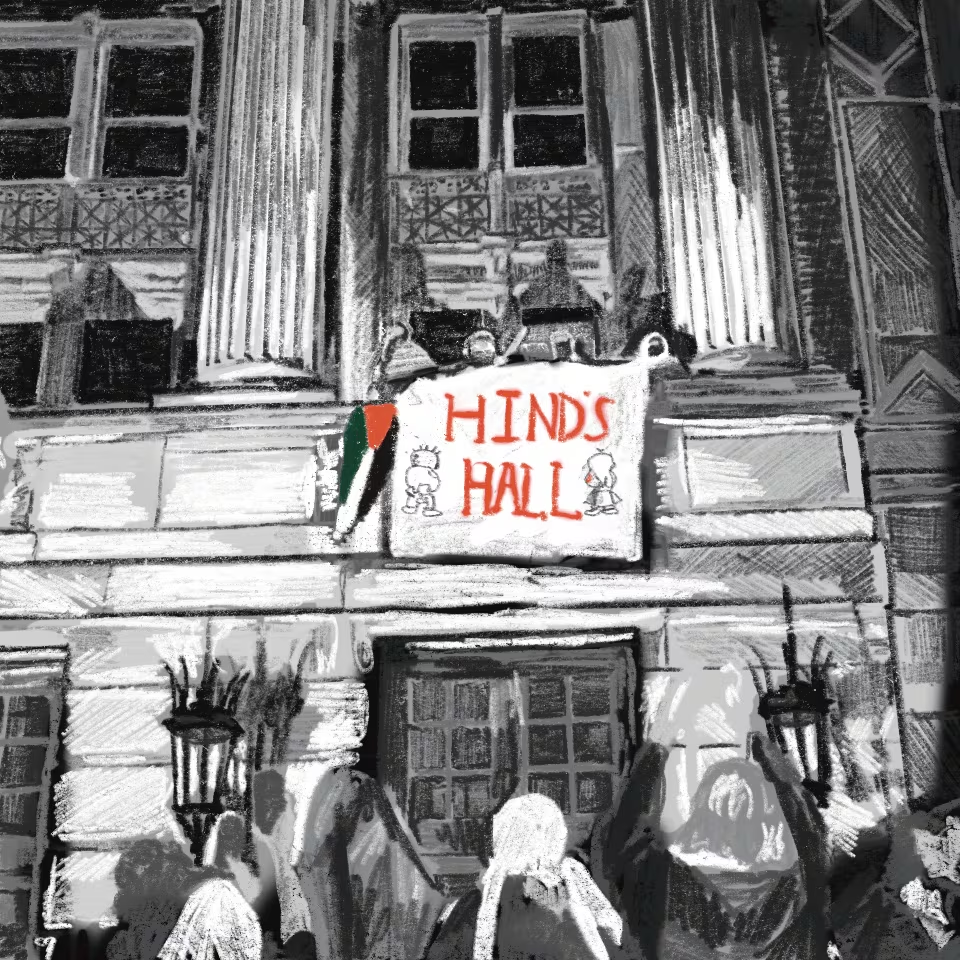
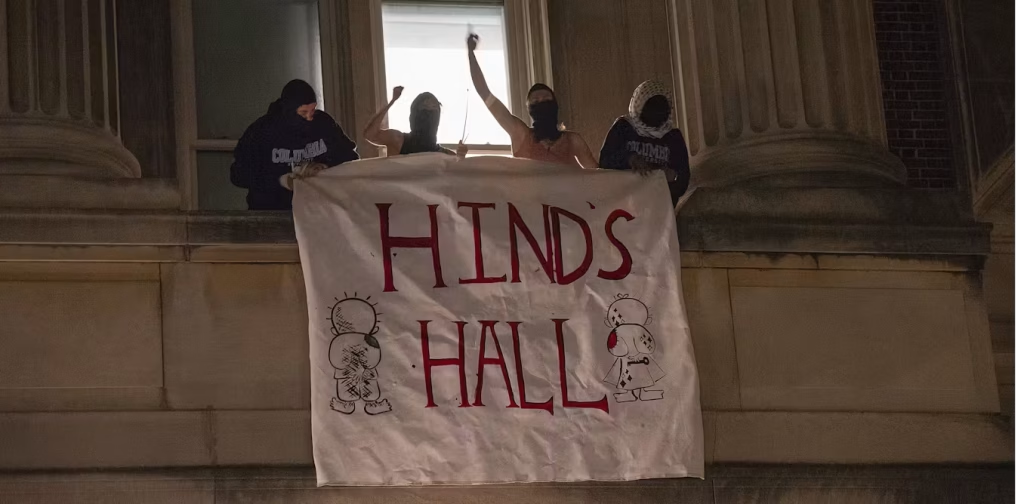
    This is a art piece by Kelsea Petersen depicting pro-Palestinian protestors who stormed Hamilton Hall in Columbia University after the university took away their encampments on April 30th. The focus of this art piece is the Hind’s Hall Banner that they hang from the balcony which represents the taking over of the building in honor of the the 5 year old little girl, Hind Rami Iyad Rajab, who was murdered by Israeli forces along with 6 of her family members. They were in their car, fleeing the city due to the war, when the vehicle was shelled (bombarded with artillery). Most of her family died immediately and later on everyone but the 5 year old girl was dead. She was left stranded in a car with all of her dead relatives for hours. Ultimately she was found dead alongside the paramedics that tried to save her. The car was found to be shot up 335 times. 335 bullets were shot through the car that she was in.

    I do believe that this art piece is a hundred percent still relevant. The killing of Palestinians is still ongoing and with the death toll reaching over 680,000 people, most of which are children and teenagers, it has been classified as a ongoing genocide. This protest art is a reclaiming of peoples voices. A way to show solidarity with victims of mass bombing, shootings, torture. These protest’s are a way to shake up our daily lives in the west where we are away from all this tragedy and made to feel as though the world is spinning like normal. Many of the victims of this brutal genocide are teenagers, kids, and infants. They won’t get the ability to speak their minds freely, they won’t get to have a say in the future, or how they lived their lives. This war took away their voices and their lives and that makes this art that much more relevant. It is a way for people to speak for those unable to speak and a way to educate and reclaim autonomy against ruthless behavior. It ultimately is a sign of resistance that shows they are condemning the brutal and completely unnecessary loss of life.

  • Protest Art

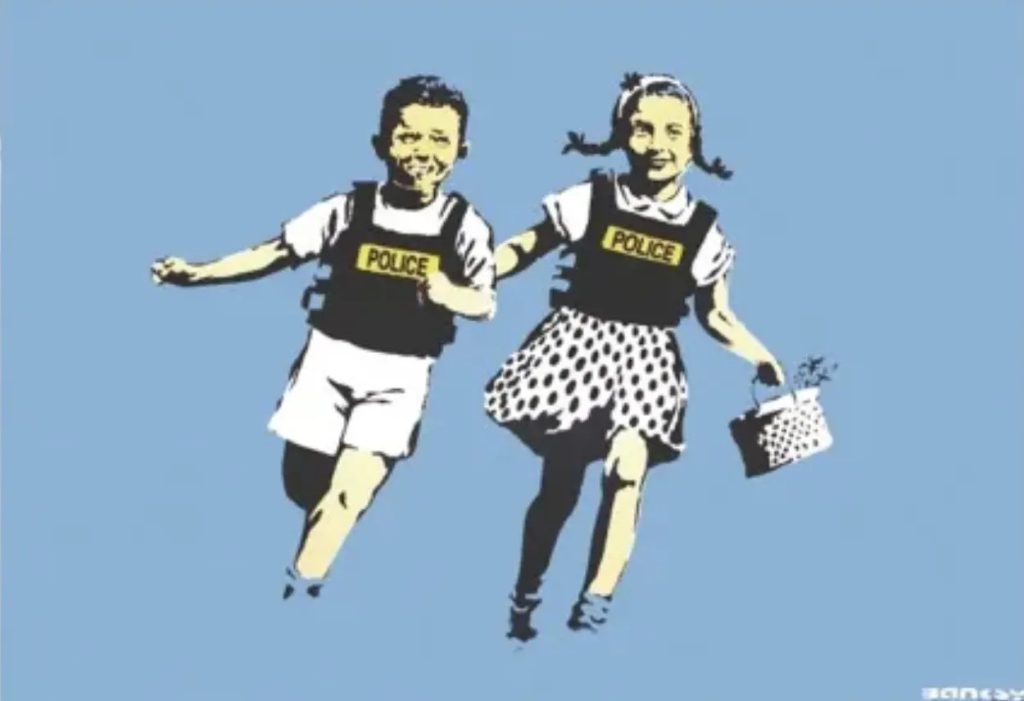
    This piece of political art is by Banksy called Jack and Jill (Police Kids). This piece was created in 2005 and is a representation of a old nursery rhyme that is twisted into a way to highlight over surveillance and over policing. Banksy is known for his anti-establishment views and uses this imagery like the nursery rhyme to convey his critique of authority and societal control. This art is meant to be interpreted in different ways but the main idea is how children do not have their innocence and freedom in this world like they once had. This piece very much connects to today’s society as gun violence in schools have increased drastically and children are not only losing their innocence but losing their lives. Gun violence is the number one cause of death in American children and teens. The bulletproof vest in my eyes represent kids being stripped of their innocence and as a way to show that kids are not as safe as they once were.

  • Vincent Moccio – Protest Art Blog

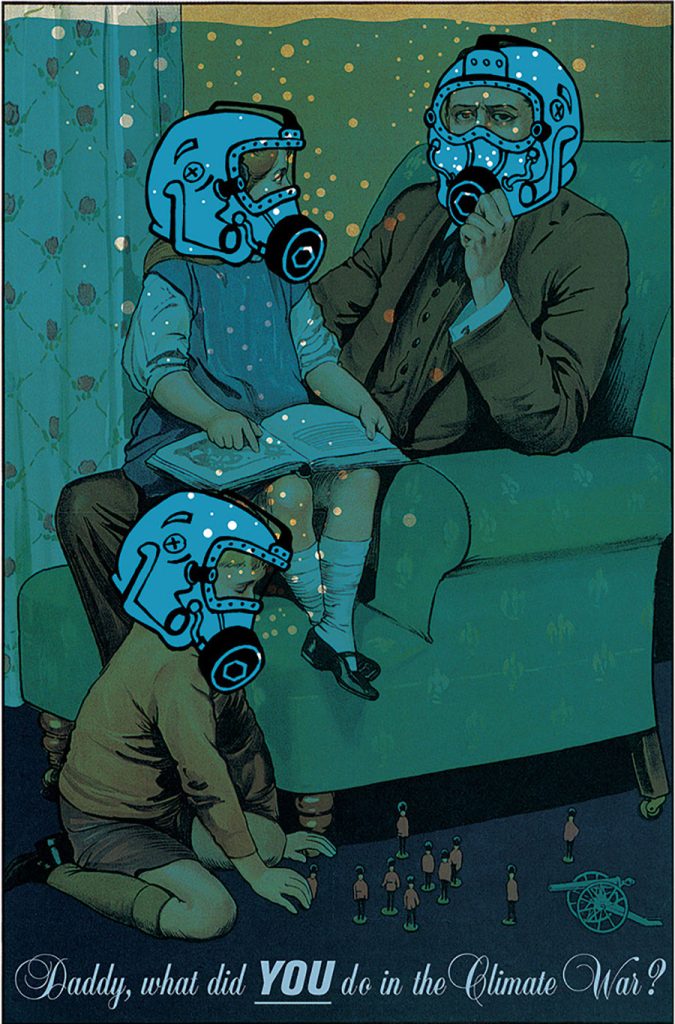
    Josh MacPhee’s “Daddy, what did YOU do in the Climate War” was an art poster made to protest the way President Trump in 2017 was handling environmental issues. The poster is modeled off the WW1 recruitment poster, “Daddy, What Did You Do in the Great War,” except it depicts modern day threats of climate change by adding the masks and pollution filter. This piece of art is still relevant today because climate change continues to be an issue that is ignored by our government. We see the rise in natural disasters and habitat loss, but not enough is done to help mitigate those effects of climate change.