Afro-Futurist Room, Elona Peechatt

What is a period room? Have you ever visited a period room? Which one? When?

It is an art piece that include pieces that are relevant to that time period. It immerses you into that era, brings you back to how life was like in the past. It combines architecture, furnishing, art, and decoration to make a realistic representation of a place. I have never been to a period room.

What was the goal in installing the Afro-Futurist room within the context of the Met? 

The goal of the Afro-Futurist room is to achieve the same things of a period room but instead of going back to the past, they recreate the future. In African culture, they believe that the past, present and future are the same. They are interconnected. Instead of showing their oppressive past, they are showing their positive and successful future through imagination, excellence, and self-determination.

What is Afro-Futurism?

Afro-Futurism combines African culture with a dystopian mood. It includes the advancement of society and technology that in general helps Africans gain recognition and freedom.

Why the title of the room in the Met, “Before Yesterday We Could Fly: The Afro-Futurist Room”?

It challenges the historical norm. It is like it almost doesn’t accept the past. Some people believe it is a move in the wrong direction as it emphasizes a fake utopianism, toxic positivity, intellectual vagueness, and aesthetic exhaustion. While others think it is a good thing because instead of dwelling on the past, we are moving on to make a better place for the future or the present. The Met Museum includes made period rooms that bring you back to the past. It brings you back to the struggles, the oppressive, and harsh past. Rather emphasizing this, the Afro-Futurist Room provides optimism and hope through imagination and creativity.
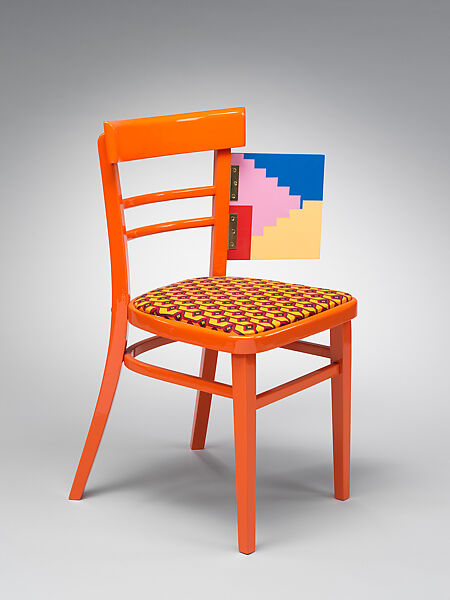
Why is this object in this installation?

This chair is a combination of 6 other chairs. It represents the hopes and dreams of a group of Nigerian immigrants. The small addition to the end of the chair, shows one of the congregants dreams to have a child (an addition to her family).
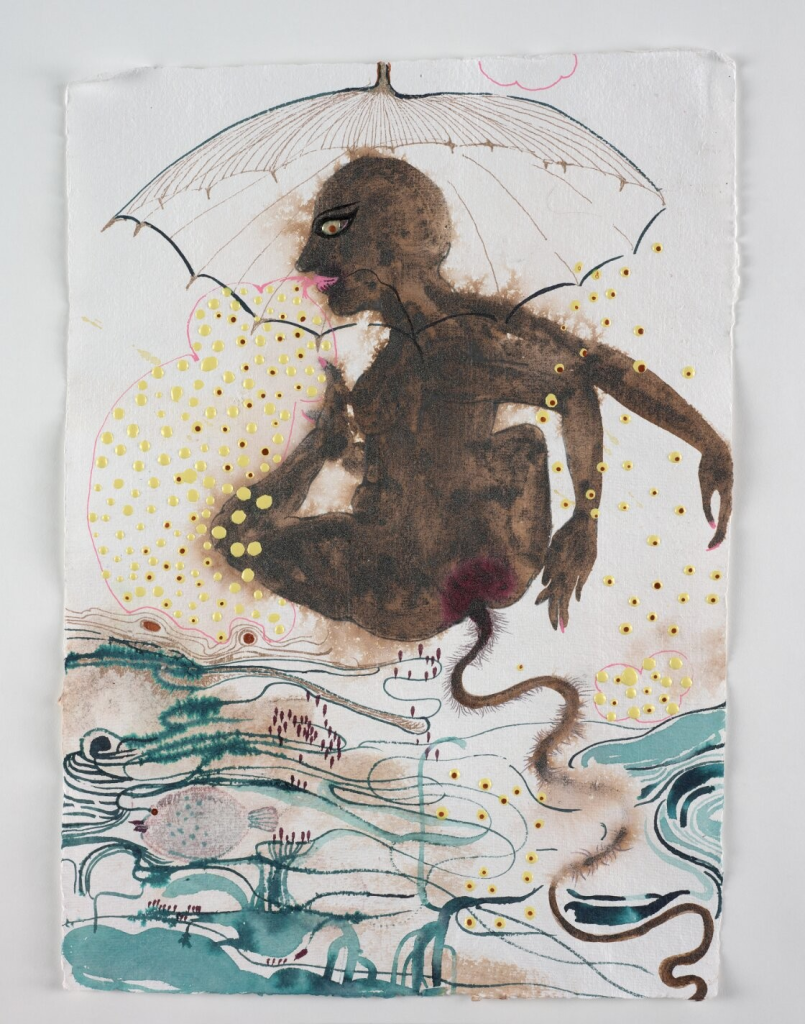
Rina Banerjee, Elona Peechatt

Banerjee is a South-Asian immigrant who now lives in NYC. In this artwork she is showing a women in south asian culture liberating herself from customs, castes, and classes. This monumental moment is shown through the unique rain patterns and the umbrella unfolding itself. Women in South Asia are constantly being examined and judged. The yellow dots are representing the overwhelming eyes watching over you.

Alice Austen, Elona Peechatt

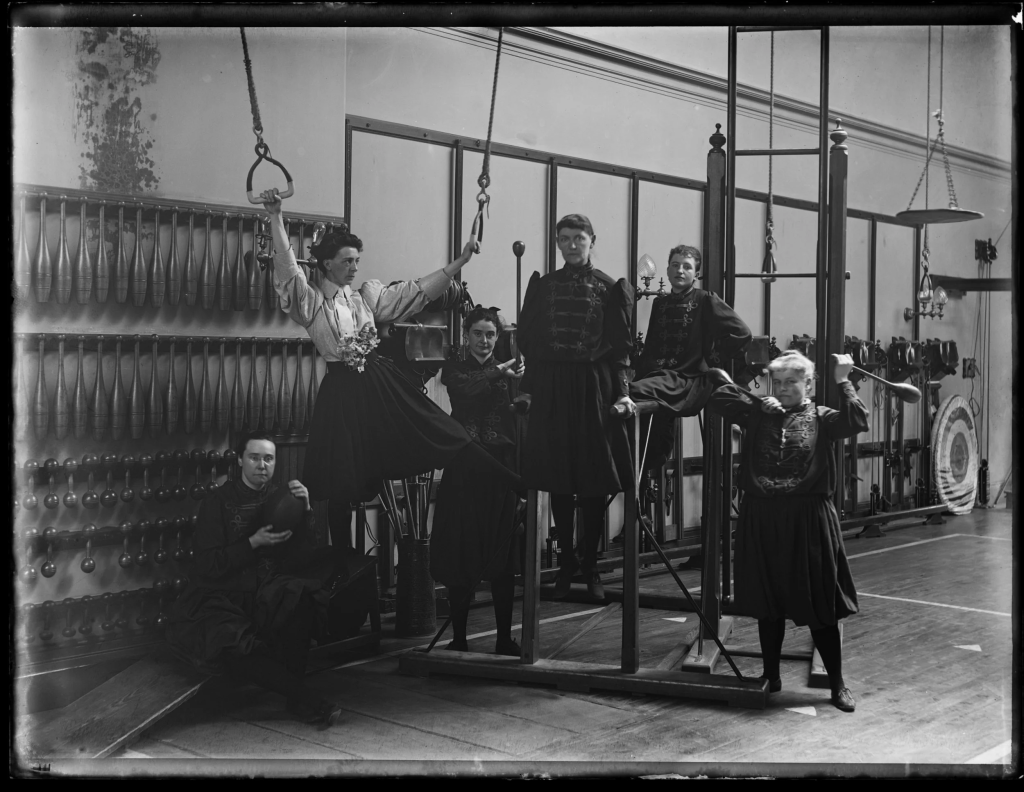
Alice Austen was one of the greatest and the first documentary female photographers. Since she was a kid, she has been passionate about photography. By taking notes and learning from her mistakes, she grew to become a successful photographer. She is known for documenting the lives and relationships of lesbian women. During the late 1800s, there was also great mass of immigration into New York. Austen was assigned the task of capturing the lives of these immigrants. She was able to accomplish this by taking an extensive amount of photographs of people at the Quarantine Station. Austen also has a photo album called, “Clear Comfort”. It shows the fun, relaxing and comfort of her home with her family, friends, and other loved ones. She also helped her friends promote their business by taking photographs of bicycles and gymnasts.

It is important to look at and examine photos from the past to have an understanding of the present. Her photos of lesbian women during the Victorian age shows how the LGBTQ+ community is not a new concept. It has been around forever and in 2026 we are working together to fight against any hate for it. Overall her images incorporate a fun and unique feel. She is able to perfectly capture the emotions of the people through the composition, perspective and color gradient choice.

In this photograph called Group Apparatus: Negative, Glass-plate, she captures the fun side of women. Rather than the typical elegant and serious lady, her images focuses on a more outgoing and strong female. In 2026, women are still fighting the socially acceptable rules that women have to follow. There is still inequality in the job market, in the sports industry, at home, etc. This photograph shows how men and women want and can do the same things as men. We can wear the same clothes, play the same sport, have the same fun, and same life.

Proudly powered by WordPress | Theme: Baskerville 2 by Anders Noren.

Up ↑