New York: A City of Migrants and Immigrants II, Leah Katash

frieda kahlo my dress hangs there

Frida Kahlo was a notable painter, who used vivid colors and symbolic imagery to capture her identity, physical pain, relationships, and Mexican culture in her artworks. She lived in Mexico for her whole life, but briefly traveled to the United States for three years in the early 1930s. She stayed in New York for about a year while her partner, Diego Rivera was commissioning a piece for Rockefeller Center. In the image above, My Dress Hangs There, Kahlo depicts her disgust for American culture. Carefully illustrated in this artwork are many elements of industrialization you can find in the United States at the time. Pictured are tall skyscrapers, smoke and fire filling the air, and garbage filling the streets. Additionally, a high society woman is placed in a building, without a care for the seeming “decay” of her surroundings. Kahlo’s image encapsulates the negative effects of industrialization on the country, America’s imbalance in social classes, and the greed involved in consumer culture. In all of the chaos, hangs a Mexican style dress, portraying Kahlo’s deep desire to return back to Mexico, where she will be free of America’s stifling ecosystem. 
Rina Banerjee, Elona Peechatt

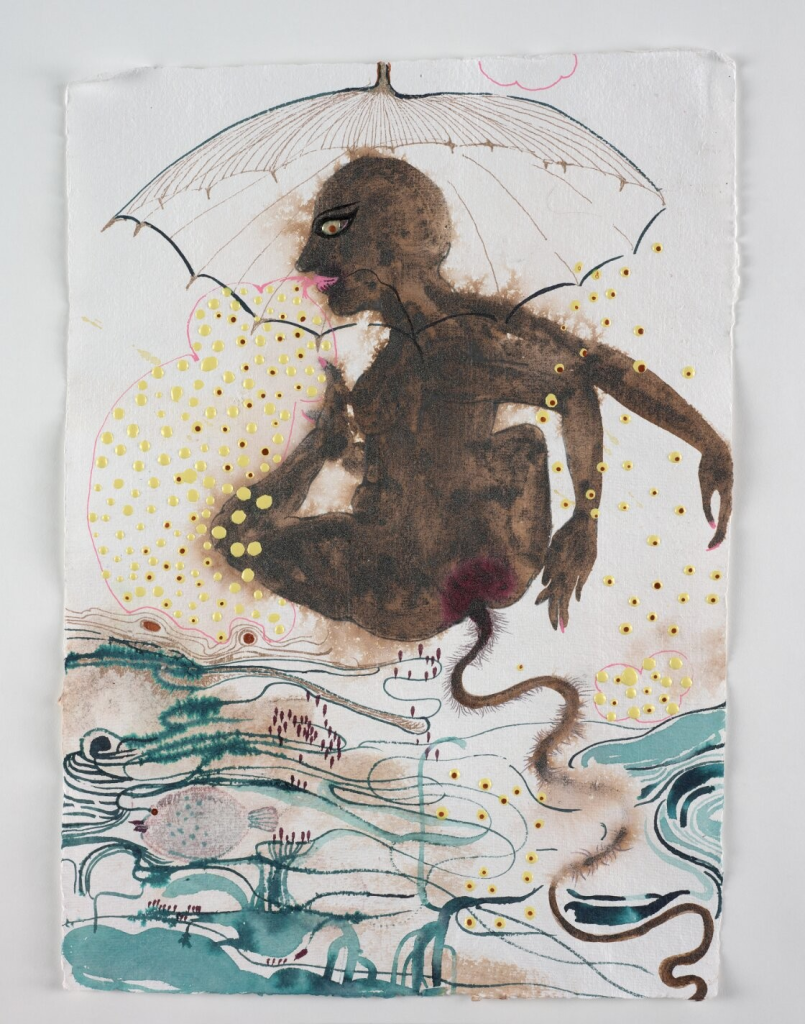
Banerjee is a South-Asian immigrant who now lives in NYC. In this artwork she is showing a women in south asian culture liberating herself from customs, castes, and classes. This monumental moment is shown through the unique rain patterns and the umbrella unfolding itself. Women in South Asia are constantly being examined and judged. The yellow dots are representing the overwhelming eyes watching over you.

New York: A City Of Migrants and Immigrants II, Shana Monas

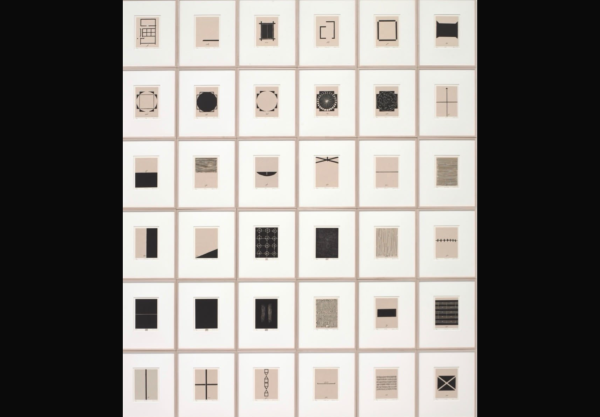
In Home Is a Foreign Place, Zarina Hashmi addresses migration, displacement, language, and the feeling of leaving your home behind. She uses words in Urdu, her native language and images of things like borders, roads, and houses to show her memories of the home she left. I think the artwork shows how moving to a new country can make someone question where they really belong and how they can still carry memories of their original home with them. Her artwork shows how moving to a new country can be extremely difficult even when it can seem easy once you are settled. You always carry memories of where you came from which can make things difficult. 

Alice Austen, Leah Katash

Who was Alice Austen?

Alice Austen was a pioneer of her field. She was regarded as one of America’s first female photographers, as she began her career at age 10 in 1876. She was most notably known for her unique lens as an emerging lesbian photographer. At the time, her perspective offered a diverse outlook in the world of photography. She was brought up in a Victorian society, where she “broke boundaries of acceptable female behavior and social rules,” according to the Austen House Museum.  

What types of things or sites did she photograph? 

Alice Austen photographed anything from New York’s immigrant population, to the ins and the outs of Victorian life. Additionally, she photographed intimate relationships between Victorian women. She captured all different kinds of people around New York, including newsboys and high society women. 

How and why do you think the subjects of those photographs are important in 2026? 

The subjects of Austen’s photographs were a part of history. She created significant moments out of seemingly normal people. By capturing ordinary individuals carrying out daily activities around New York, she gave a voice to the working class. Additionally, she photographed immigrants, highlighting the inequalities that are still prevalent today. Lastly, she came out with grounding photos for the LGBTQ+ communities. Her work was a piece in evolving the conversation around the pride communities. 

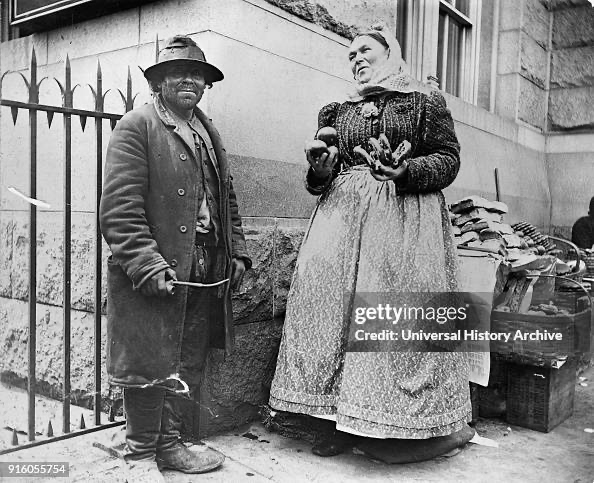
In the above image, Austen captured ordinary women at an egg stand in Manhattan. Today there are so many lives that overlooked in New York City. The fact that Austen took time to capture a mundane task, highlights this idea that there is so much beauty lost amongst the crowds of people.

Alice Austin, Shana Monas

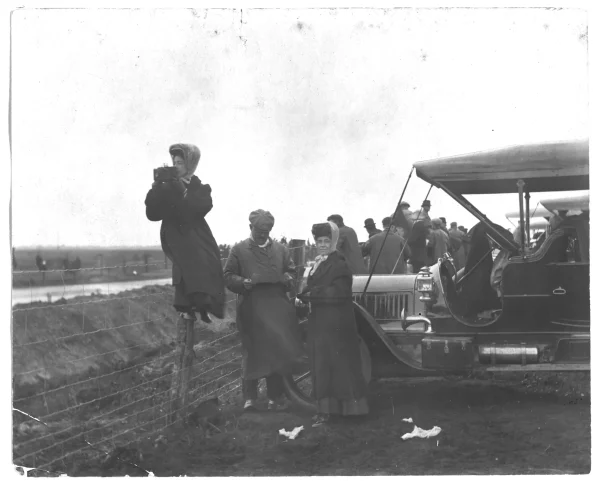
Alice Austin was one of the first female photographers in America, and she started at only ten years old. She lived from 1866 to 1952 and was unusual for her time because she worked outside a photography studio and took pictures of normal day to day life. She took pictures of her family and friends, women’s social activities, sports, homes, nature, immigrants, and different parts of life around New York City. She portrayed women living more independently than what was considered normal during the Victorian era. She took pictures of social activities and everyday life to show what living during that time was like. The subjects of the photographs are important in 2026 because they show what everyday life in New York looked like over 100 years ago. It gives us a better understanding and allows us to see how much society has changed since then. She photographed ordinary people, women, relationships and things that we don’t see and learn from history. Her pictures show details including the way people dressed, socialized, and traveled. They show how women had stricter social expectations than they do today. Some women are naturally posing, standing close together, or doing things that were not so ordinary to do at the time. This shows us that regardless of the strict rules and expectations society had towards women, they still found ways to be independent and express themselves. Today, people usually dress more casually and women have much more freedom to choose how they act, dress, and express themselves. Her pictures are important because pictures back then were rare, and today we can just take out a phone and post a picture anywhere we are. One photograph that stood out to me was Alice on fence point.  Alice Austen is doing something that was not considered proper at the time by sitting on top of a fence post while Gertrude Tate watches. She did not seem to be afraid to do something that goes against the societal expectations of women. She was willing to climb a fencepost, carry heavy photography equipment, and work outside instead of conforming to the normal social roles of women at the time. She did not care if climbing the fence would expose her ankles, even though this was considered improper for women during this time. Today, people stand by that idea and still find it important to express themselves regardless of what society has to say about it. Women also have much more freedom in the way they behave and dress today. 

Alice Austen, Elona Peechatt

Alice Austen was one of the greatest and the first documentary female photographers. Since she was a kid, she has been passionate about photography. By taking notes and learning from her mistakes, she grew to become a successful photographer. She is known for documenting the lives and relationships of lesbian women. During the late 1800s, there was also great mass of immigration into New York. Austen was assigned the task of capturing the lives of these immigrants. She was able to accomplish this by taking an extensive amount of photographs of people at the Quarantine Station. Austen also has a photo album called, “Clear Comfort”. It shows the fun, relaxing and comfort of her home with her family, friends, and other loved ones. She also helped her friends promote their business by taking photographs of bicycles and gymnasts.

It is important to look at and examine photos from the past to have an understanding of the present. Her photos of lesbian women during the Victorian age shows how the LGBTQ+ community is not a new concept. It has been around forever and in 2026 we are working together to fight against any hate for it. Overall her images incorporate a fun and unique feel. She is able to perfectly capture the emotions of the people through the composition, perspective and color gradient choice.

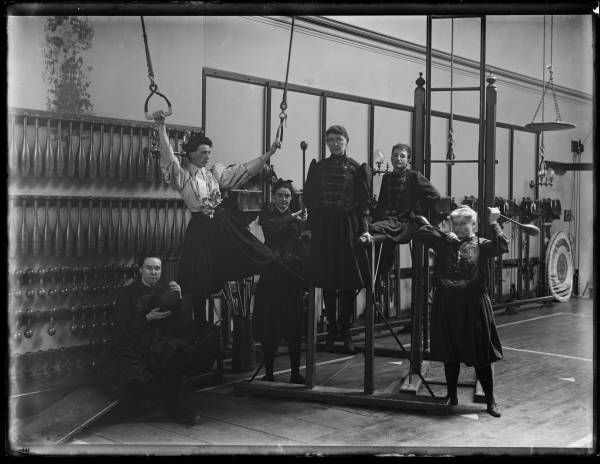
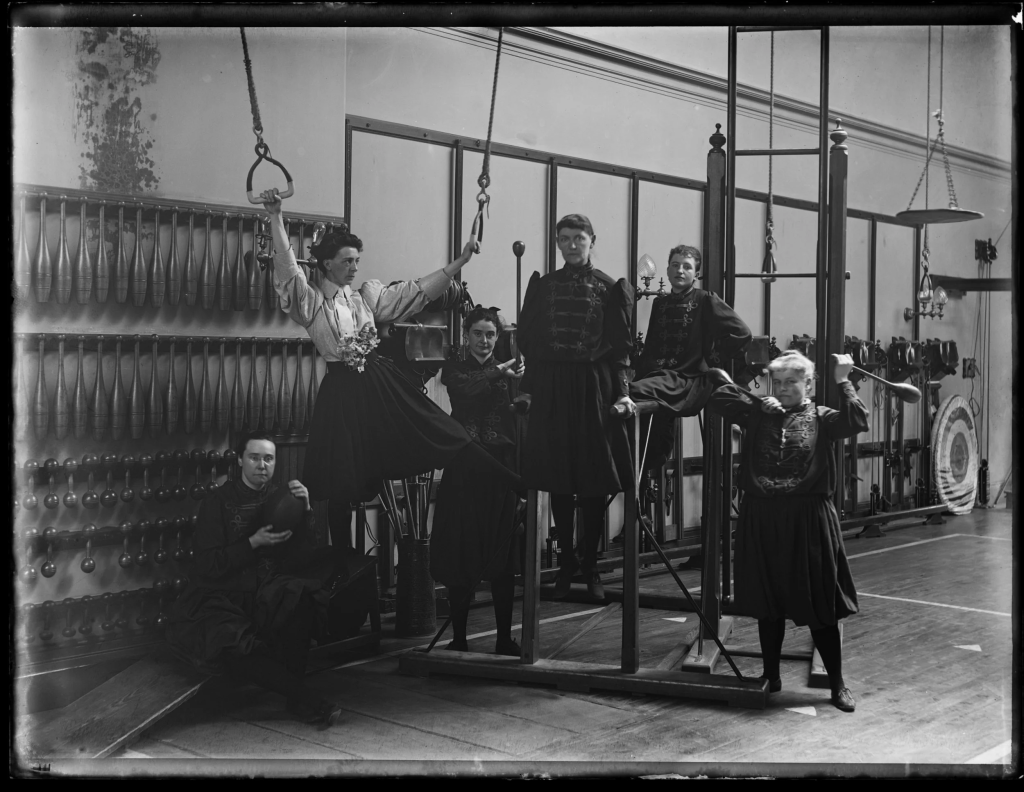
In this photograph called Group Apparatus: Negative, Glass-plate, she captures the fun side of women. Rather than the typical elegant and serious lady, her images focuses on a more outgoing and strong female. In 2026, women are still fighting the socially acceptable rules that women have to follow. There is still inequality in the job market, in the sports industry, at home, etc. This photograph shows how men and women want and can do the same things as men. We can wear the same clothes, play the same sport, have the same fun, and same life.

Alice Austen, Rebecca Bukobza

Alice Austen was a photographer from Staten Island who photographed New York City during the late 1800s and early 1900s. Instead of only photographing wealthy people or important events, she also took pictures of immigrants, street workers, vendors, buildings, and regular people going about their day. I think that is what makes her photographs interesting now because they show parts of New York that people probably would not have thought were important at the time.

One photograph that stood out to me was her picture of an immigrant and pretzel vendor from 1896. I liked this one because it honestly does not feel that different from something you could see in New York today. Street vendors and food carts are still everywhere in the city, and a lot of them are run by immigrants who are working long hours to make a living. Obviously New York looks completely different now, but that part of the city has stayed pretty similar. I think the photo is important in 2026 because it shows that immigrants and street workers have been part of what makes New York feel like New York for a really long time.

Proudly powered by WordPress | Theme: Baskerville 2 by Anders Noren.

Up ↑