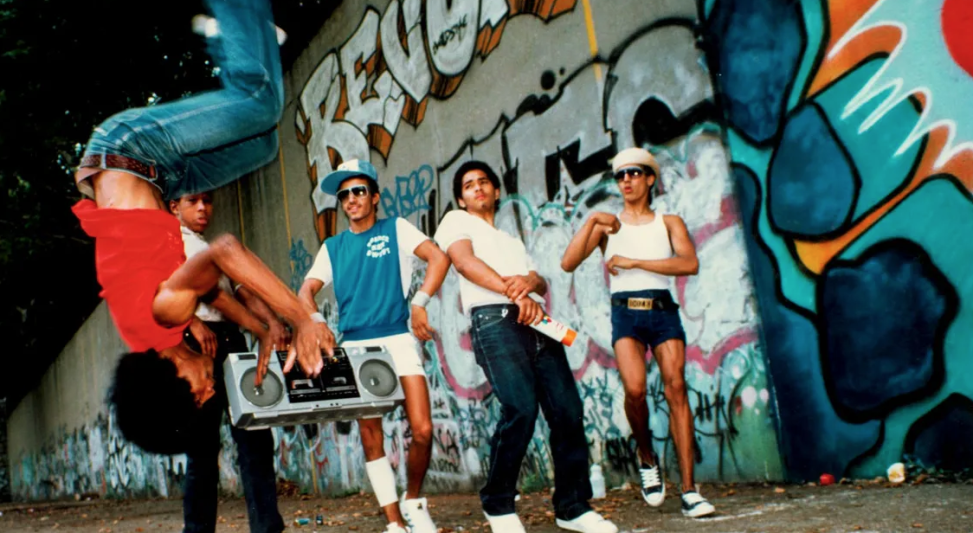
Our project explores the evolution of New York graffiti from its origins as an underground form of self-expression to its rise as a globally recognized artistic movement. This was achieved by creating a historical timeline of prominent artists, their contributions to graffiti, and the political and cultural controversies that surrounded such movements.
We started by looking at marginalized voices in the 60s and 70s, who sought a platform to express themselves amidst urban decay. As graffiti expanded onto subways and streets, debates were sparked over the artistic legitimacy and policing of this contemporary art form
By displaying figures such as TAKI 183, Phase 2, Lady Pink, Zephyr, Futura, and Jean-Michel Basquiat, we show how individual artists transformed the movement through style innovations, political messages, and breakthroughs into mainstream art institutions. The controversies we highlight reveal the tension between graffiti as a celebrated cultural symbol and graffiti as a criminalized act.
Ultimately, we want readers to take away a deeper understanding of graffiti as continuously changing narrative that strives to tell a story about youth culture, city politics, racial and social inequality, artistic innovation, and the ongoing question of public space. New York graffiti is not just paint on walls; it is one of the city’s most influential cultural exports and a living archive of its people and their stories.
Completing this project allowed me to understand how New Yorkers were able to express themselves without having any formal training or formal platforms. I saw how these artist struggled against law enforcement and repression for their artworks. I learned the importance of understanding other artworks even though they are not in line with what I and others may consider true art. Art, as I have seen, can be a battleground that divides generation of people but in the end will unite them.

