What is an icon? Be specific in your answer.
To me, an icon is something that pretty much everybody recognizes right away, and it stands for more than just what it looks like. I think of an icon as almost like a landmark, something that helps you recognize a place or a culture, and it can be physical, like a building or a bridge, digital/untangible, like an app logo or an emoji, or intangible, like a song, a saying, or a feeling everyone connects with a city. What makes an icon different from a regular landmark is that it stands for something bigger than itself. I think an icon needs three things, and the first is that people can recognize it even from a small part of it. The second is that it represents an idea or a way of life and not just itself, and the third is that it has stayed meaningful for a long time, showing up in movies, photos, and everyday conversation. The Empire State Building is a good example because it’s a tall building, but it’s an icon because it stands for New York’s skyline and the city’s ambition.
Why did you choose this image or object?
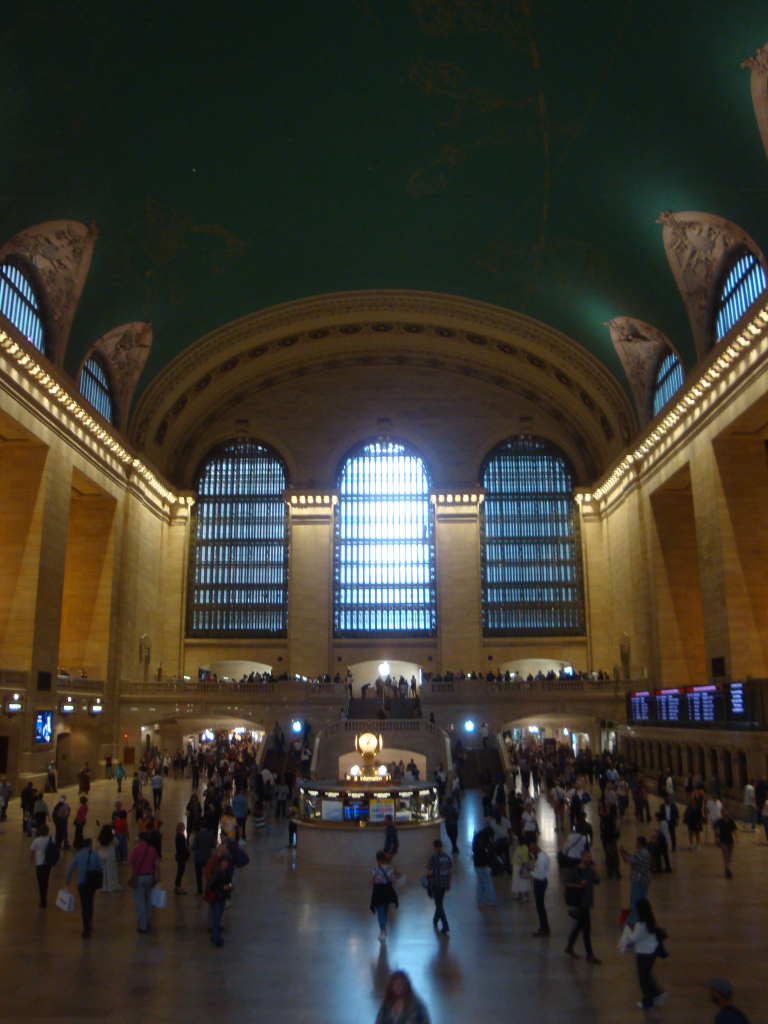
I chose this image because the station acts as a hub, connecting not only the subway system of NYC but also the Metro-North and LIRR lines, which connect many other parts of the tri-state area to NYC, showing how it’s a hub for not only transportation but also for diversity. On top of the subway, Metro-North, and LIRR, there are also city buses running right outside, so in one spot you can go from a bus to a train to a completely different part of the tri-state area without going very far. It also has a very rich history, with numerous renovations that have kept it alive over the years. It opened in 1913, was almost torn down in the 1960s and 70s, and was saved by a preservation fight that ended in a 1978 Supreme Court decision protecting NYC’s landmarks. It was then restored in the 1990s, which brought back details like the green celestial ceiling you can see in my photo, and most recently it was expanded with Grand Central Madison in 2023, which connected the LIRR to Grand Central. Beyond the history aspect, transportation is something so many people do every single day just to get where they need to go. The NYC transportation system is so vast, connecting people from point A to point B at a much more affordable price than owning a car. On a single train, you can look at the person across from you and the person to your left, and they could be going to two completely different places that you would never even know about. That’s what makes Grand Central more than just a beautiful building to me, because it’s where all those separate journeys cross paths, and it’s a big part of how the city runs every day. This is an icon because people recognize it right away, even from just the green ceiling or the clock, and it stands for so much more than a building. It represents how New York never stops moving and how people from every background end up crossing paths in the same place. It has also stayed meaningful for over a hundred years, showing up in movies, photos, and everyday life, and it survived being torn down because so many people believed it was worth saving.
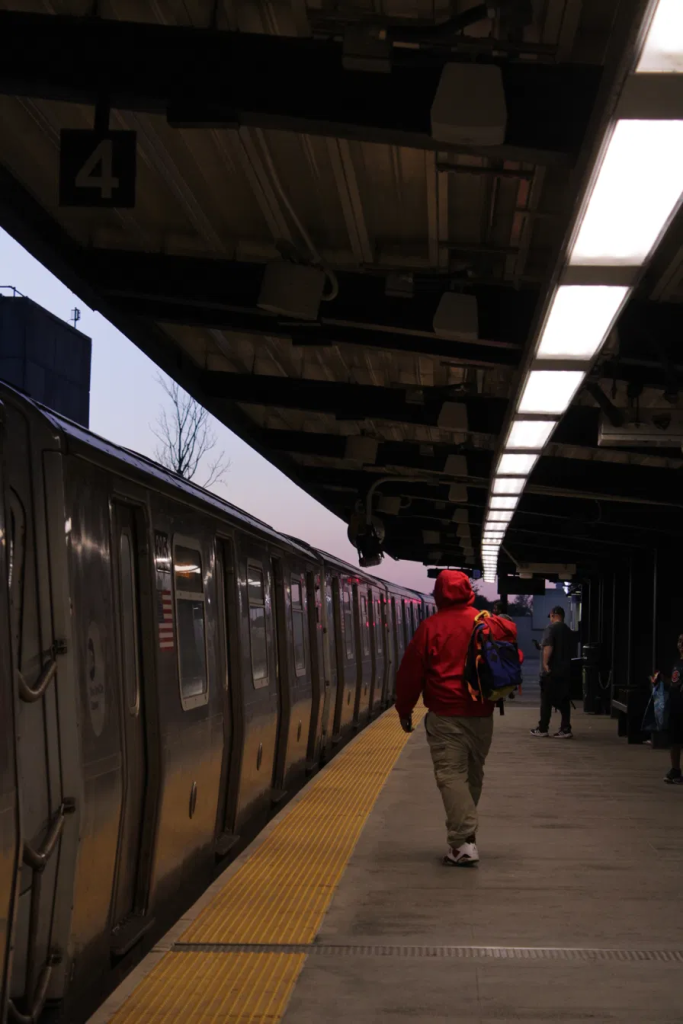
I added this second picture that I took because it shows the everyday side of the same idea. Grand Central is the grand, famous version of transportation in New York, but the real heartbeat of the city is on platforms like this one, where people are just trying to get where they need to go. In this photo, a person in a red hoodie walks down the platform toward the train with a backpack, and the other people waiting nearby are all probably heading somewhere completely different. That’s exactly what I was talking about with the person across from you and the person to your left on the train. Nobody knows each other’s story, but everyone is part of the same system, and that system is how the city runs. Grand Central is the icon, but this is what it looks like in everyday life.




Leave a Reply