

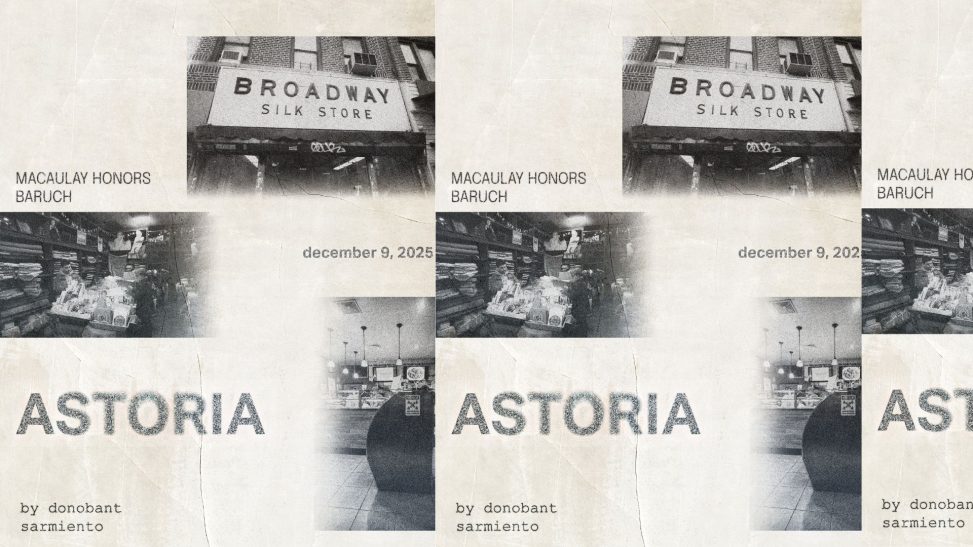
Our project explores Astoria as a neighborhood shaped by deep cultural roots, ongoing immigration, and the pressures of modern change. Through historical research, community interviews, and thematic analysis, we highlight how Astoria evolved from farmland into one of New York City’s most diverse and vibrant areas. We dive into its transportation networks, housing patterns, local businesses, and iconic landmarks to show why the neighborhood feels both dynamic and familiar. Most importantly, we center the voices of longtime residents and newer arrivals who shared their stories about community, identity, and adaptation. Their experiences reveal a neighborhood balancing tradition with transformation—where small businesses fight to survive rising rents, where cultural diversity remains a defining strength, and where neighbors continue to support one another despite rapid development. What we want people to take away is that Astoria is more than a place on the map—it’s a living community shaped by history, resilience, and connection. Even as the neighborhood changes, the spirit of unity, cultural pride, and everyday life remains strong.
Completing this project helped me understand how deeply the arts shape everyday life in Astoria and, more broadly, in New York City communities. Through researching local landmarks, cultural institutions, and especially through the interviews, it became clear that art isn’t just something people observe—it’s something that actively builds identity, memory, and connection. In Astoria, places like the Museum of the Moving Image, the Socrates Sculpture Park, and even small, immigrant-owned shops all reveal how art functions as a shared language. These spaces give residents a way to celebrate their cultures, express their stories, and maintain traditions across generations. They also create opportunities for community gathering, whether through public events, festivals, or simply the visual experience of murals and sculptures that reflect the neighborhood’s diversity. The interviews showed that arts and cultural expression help residents feel rooted in a rapidly changing neighborhood. Longtime locals emphasized the importance of honoring history and preserving places that tell Astoria’s story. Newer residents often connected to the area through its creative spaces and cultural institutions, which made the neighborhood feel welcoming and alive. Overall, this project showed me that the arts in New York aren’t separate from daily life—they are woven into the fabric of communities. They help people hold onto their heritage, build bridges across cultures, and create a sense of belonging, even in a city that’s constantly evolving.

