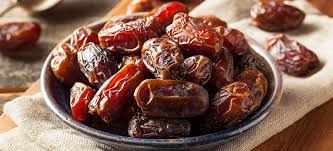
Dates are one of the oldest fruits people have grown, with farming going back more than 7,000 years to ancient Mesopotamia and the Arabian Peninsula. They played an important role across the Middle East and North Africa before many other crops were around, used as sweeteners, trade goods, and even fermented into wine.
In Islam, dates have a deep meaning. The Quran mentions them around 20 times, and the Prophet Muhammad is known to have broken his fast with dates and water. This tradition continues today, especially during Ramadan. In my family, iftar always starts with dates right after the Adhan, just like it did all the way back in Guyana. It’s not only sunnah, but a tradition I’m not sure will ever end for me. Dates are also included in the Bible and the Torah, where they also carry symbolic meaning in both Christianity and Judaism.
On top of tradition and religion, dates are very healthy. They have fiber, potassium, magnesium, and antioxidants, and their natural sugars give quick energy that especially helps after a long day of fasting. The pit inside, which most people throw away, can be ground into a caffeine-free drink called date seed coffee and has also been processed for centuries into kohl, a traditional eye cosmetic still used across the Middle East and South Asia.
There are several kinds of dates, each with its own taste and texture. Medjool dates are soft and caramel-like. Ajwa dates, grown in Madinah, are darker and richer. Deglet Noor dates are firmer, drier, and a little nutty. If you’ve never had one, try a Medjool first. It’s easy to find and sweet enough to show you exactly why people love them. They’re sweet, soft, and way better than any candy.
Date Origins