Ukrainian Throw Blanket

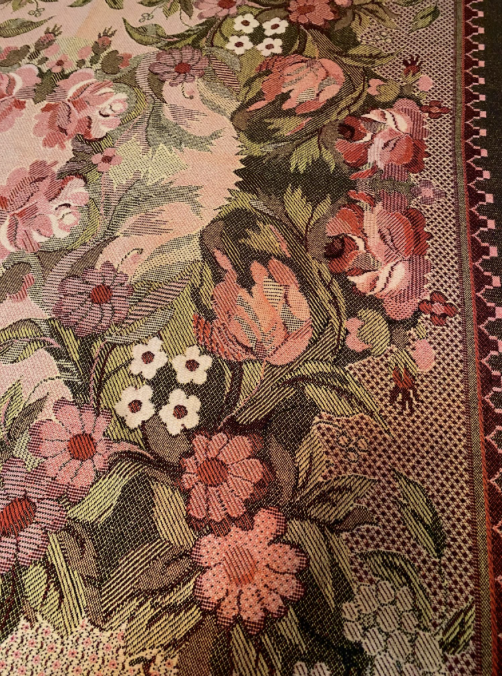
This embroidered throw blanket means a lot to my family because it’s more than just something we use, it’s a piece of my mom’s past. It originally belonged to my grandmother in Ukraine, and she gave it to my mom when she left to move to New York in 2006 to join my dad. At a time when everything in her life was changing, the blanket was something familiar she could hold onto, reminding her of home and her family. Even now, she uses it every day while ironing, which makes it feel less like an old keepsake and more like a living part of our daily life. To me, it shows how my mom carries her history with her, and how something simple can hold so many memories, emotions, and connections to where we come from.

NYC Postcard

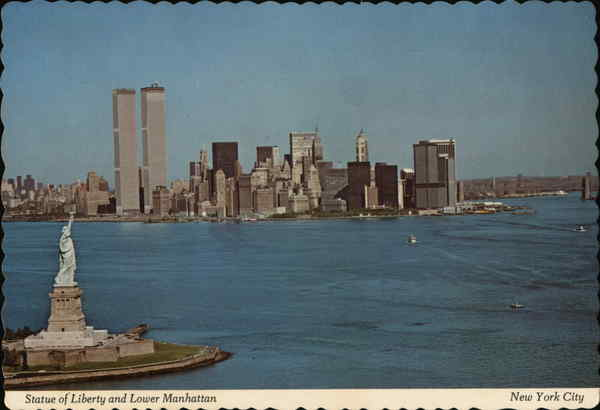
In terms of immigration or migration, I may be a citizen but that is only because of the stories that come from my parents before me. My mom immigrated from communist eastern Europe to the United States when she was just eighteen years old. She was born in 1970’s Hungary, during the cold war and occupation of several countries by the Soviet Union. Life during this time was far different from how it is now, with communism and socialism playing roles in my Mom’s life. In 1989 communist rule in eastern Europe collapsed with the dissolution of the Soviet Union and the transition from communist rule to a democratic system in Hungary. Two years later was when she first came to the United States all by herself. My mom was raised in a smaller town, so she was always amazed by the big American cities that were on TV, especially New York. More importantly, she also had a postcard displaying the big buildings in Manhattan. It served as another form of seeing what other parts of the world look like, and what her life could be or look like as well. That postcard she had was something that really helped to give that ambition to change her life trajectory by doing what not many can muster the confidence for in immigrating to NYC alone, and is a big part of why our family is here today.

Refuge to Service

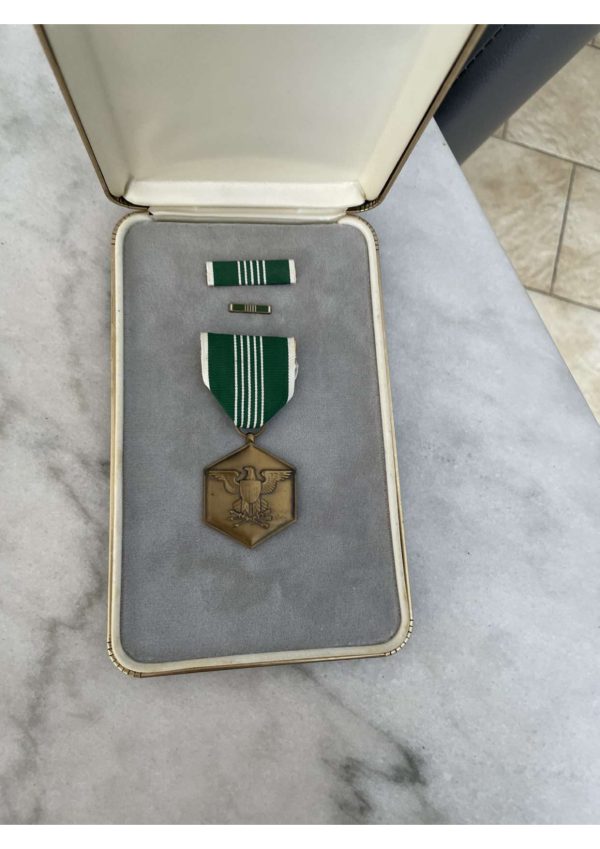
This Army Commendation Medal was awarded to my grandfather, Captain Murray Kohn, for his exceptional service as a dental officer at Fort Benning, Georgia, from 1970 to 1972. Born in the Bronx in 1943, Murray was the son of Jewish immigrants who had escaped the rising tide of antisemitism in Austria and Poland just years before his birth. His father, David, fled Austria in 1939, while his mother, Shirley, arrived at Ellis Island in 1926. Growing up in Washington Heights, Murray’s path to American identity was defined by education and service. During the Vietnam War, he entered the military through the “Berry Plan” as an obligatory volunteer, ensuring the health and readiness of soldiers heading to and returning from the front lines. This medal represents more than just military merit; it symbolizes the full circle of his family’s migration story. For a family that had fled state-sponsored persecution in Europe, Murray’s service as a commissioned officer and his receipt of this honor marked a profound transition from being outsiders seeking refuge to being integral protectors of the American nation. As the only dentist in his cohort to receive the medal, it stands as a testament to the “steady hands” and exactitude he inherited from a lineage of survivors. Today, this object serves as a bridge between his parents’ struggle to reach America and the civic legacy he built for our family.

Cookie Tin

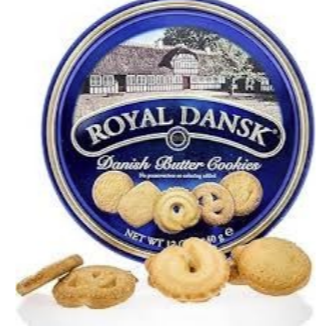
Although my artifact, a blue Danish cookie tin, didn’t originate in Pakistan, where my family and I are from, it’s been used in my family for almost 20 years. The tin originally came into our possession when guests brought over Danish butter cookies as a gift. After the cookies finished, we decided to reuse the tin due to its durability and sturdiness. Since then, this tin is always found on the corner of my counter, filled with flour that we use to dust our work surface when making different types of bread, from naan and roti to chapati and paratha.

This tin truly identifies the importance of resourcefulness in my family because instead of throwing out the cookie tin after the cookies finished, my family reused it. This tin specifically is perfect due to its durability, lightweight material, and depth, which makes it practical to hold flour and dip dough balls in. It also demonstrates the importance of bread in our family since it is eaten with almost every meal. After talking to my mom about this tin, she explained that in Pakistan, flour was traditionally stored in straw containers rather than metal tins, since Danish cookie tins like this were not very common there. Overall, my family’s continuous use of this container shows meaningful memories and significance, since it highlights how migration can also lead to the exposure of different products, like this cookie tin, that might be used in place of traditional family objects, like the straw containers.
Photograph of Family Members in the Catskills, c. 1966

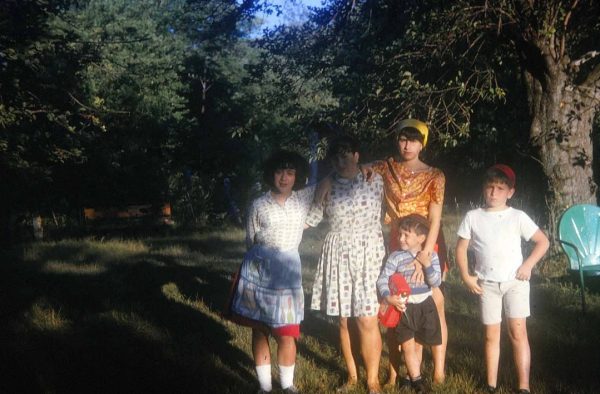
My object is a photograph of my grandmother and her siblings in the Catskills, taken in or around 1966. In the photograph, my grandmother is around 12 years old. My grandmother died from cancer when my father was a teenager, and thus I have never met her. She had eight children, and when her children had daughters, they named them after my grandmother. I often joke that I can know the birth order of my cousins based on what their names are, since if one of them has my grandmother’s name, I know for certain that she is the oldest daughter. Since my grandmother died long before I was born, I have very little tangible connections with her, especially since neither my father nor his siblings tend to speak much about who my grandmother was as a person. This photograph of her is one of the few objects I have that allow me to connect with my grandmother, and see her as a real person rather than as a character that occasionally appears in discussions with family members.

My Grandmother’s Iranian Passport

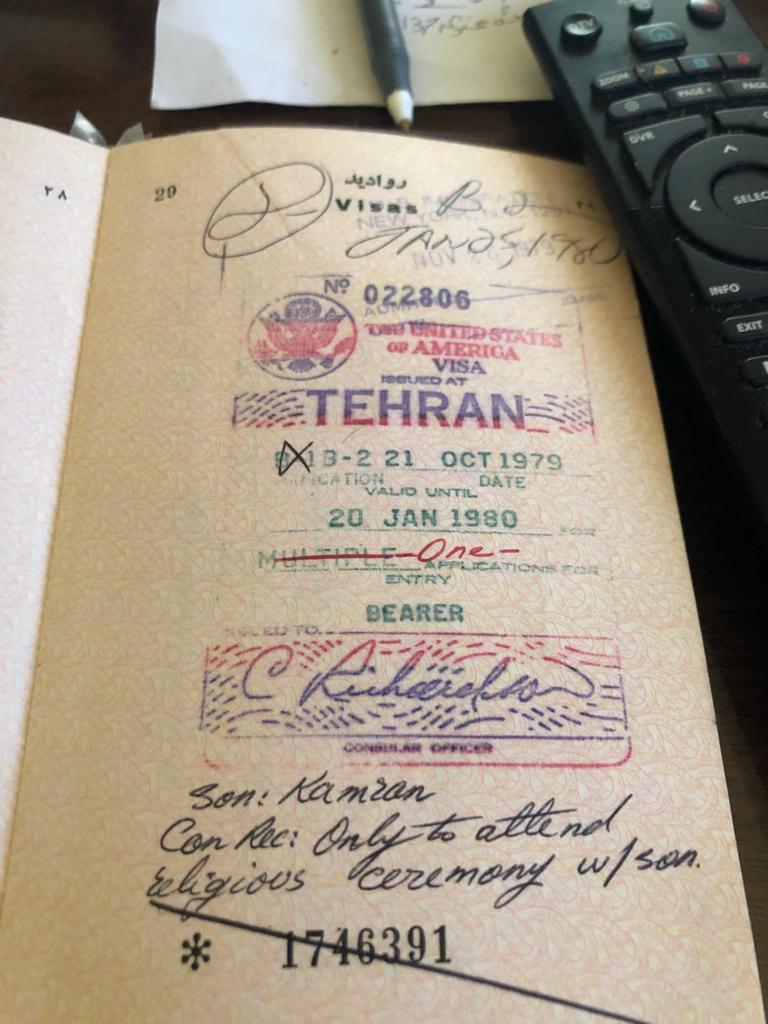
My grandmother’s passport from Iran is one of the most meaningful objects in my family. At the bottom of the page, there is a short but powerful note: “Only to attend religious ceremony with son.” Those few words represent a moment that completely changed her life. At the time, she was stuck in Iran while the rest of her family was already in New York. Her son’s bar mitzvah, a once-in-a-lifetime religious milestone, was coming up, and she was going to miss it. She refused to accept that. My grandmother went to the embassy and explained everything, hoping someone would understand how important it was for her to be there. Somehow, despite how strict and dangerous everything was at the time, they gave her special permission to leave the country just for this religious reason. That alone feels unbelievable. But what makes it even crazier is that only one week after she got her passport stamped and was able to leave, the embassy she went to was bombed during the revolution in Iran. Thinking about that now, feels like a miracle that she got out exactly when she did. To my family, this passport is so much more than just a document. It’s a symbol of faith, courage, and destiny. It shows how strong my grandmother was in such a scary situation and how much her family and religion meant to her. It reminds me that even in moments of fear and uncertainty, faith and determination can guide you exactly where you’re meant to be.

Proudly powered by WordPress | Theme: Baskerville 2 by Anders Noren.

Up ↑