From a small village in India to our home in New York, my family’s chai making tradition tells a story of heritage, migration, and cultural influence. This drink originated in India, where it was consumed for thousands of years as a spiced tea known as “Masala Chai.” Blending traditional black tea with spices such as cardamom, cinnamon, ginger, and cloves, mixed with milk and a sweetener. It became widely popular during British colonial rule when tea production expanded, and Indians adapted it with their own flavors. Later, it became popular in the United States as “Chai Tea”, translating to “Tea Tea”.
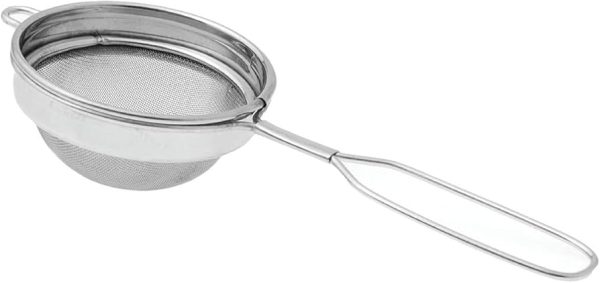
In my household, my parents and grandparents make chai at all times of the day. It’s their comfort drink, made for one another with care and for guests who enter their home. Representing hospitality and togetherness. When my grandparents emigrated from Kerala, India, in 1976, they brought with them several sets of strainers from their local appliance store. They firmly believe these are the best strainers and we can’t use any other type. After moving to New York, my family continues to make chai the same way, preserving every detail of the tradition without changing a single thing. My family’s chai, which started as a meaningful tradition, grew into something widely appreciated today in the United States. This illustrates how immigration continuously enriches and reshapes American identity.
Chai Strainer