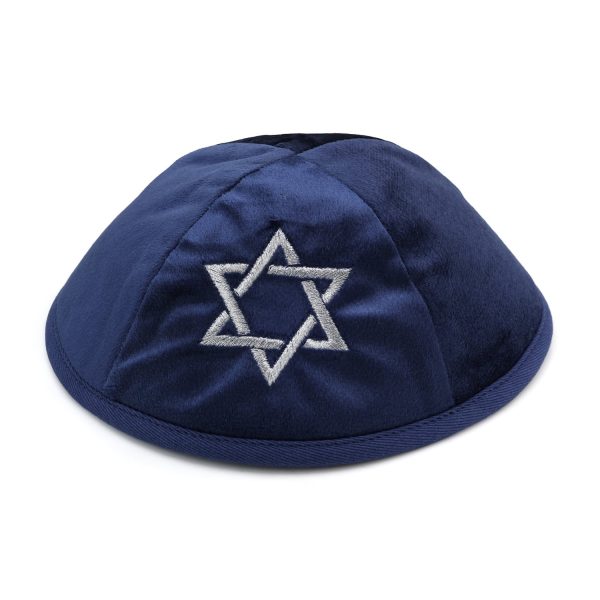
My family’s story is one of migration, survival, and identity, shaped by the waves of immigration that built New York. On my mother’s side, my grandparents are first-generation Holocaust survivors: my grandmother came from Kisvárda, Hungary, a small town whose once-thriving Jewish community was nearly wiped out during the Holocaust, and my grandfather came from Soviet Ukraine. In 1977, feeling there was no future for Jews in Europe, they immigrated to America and settled in Mill Basin, Brooklyn, among other immigrants with similar stories. On my father’s side, the family was already rooted in America, settling on Long Island in Nassau County, though the connections to Europe were never far away—my great-grandmother survived the Holocaust in Hungary before making her way here, and my great-grandfather served in the U.S. Army during World War II, leading a post-war interrogation unit. What carried over from the old world was less about language, since my grandparents speak fluent Hungarian and Russian but never taught it to me, and more about a deep sense of Jewish identity. If I had to choose one object to represent my family, it would be a kippah—small, simple, but carrying everything. My family left Europe because they were Jewish, survived because they held onto who they were, and rebuilt in Brooklyn and Long Island because New York gave them a fresh start. Their story connects directly to the Jewish experience on the Lower East Side and the broader history of immigrant New York.
Muchnick Family History